
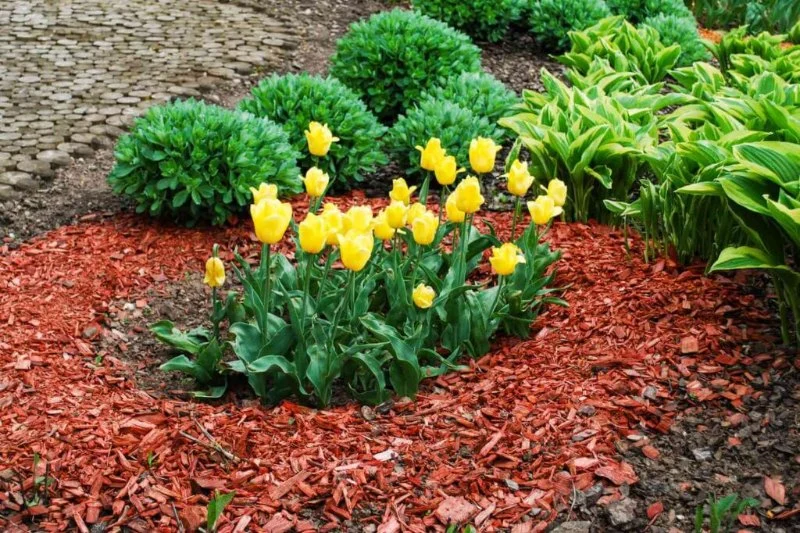
Why Mulch is Important for Weed Suppression
Mulch is an essential tool for any gardener looking to suppress weeds naturally. It serves as a protective layer that helps retain moisture, regulate soil temperature, and prevent weed growth by blocking sunlight. Without mulch, weeds can quickly take over your garden, competing with your plants for nutrients and space. Using mulch to control weeds is not only effective but also environmentally friendly, providing an eco-conscious solution to weed control without the use of harmful chemicals.

Different Types of Mulch for Weed Control
When it comes to choosing mulch for weed suppression, there are various types to consider, each with its benefits. Understanding the different types can help you choose the one best suited for your garden:
- Organic Mulch: Organic mulches, such as shredded bark, wood chips, straw, and leaves, break down over time, enriching the soil. They are excellent for weed suppression because they form a thick barrier that blocks sunlight and prevents weed seeds from germinating.
- Inorganic Mulch: Inorganic options like gravel, rubber mulch, or landscape fabric do not decompose and need to be replaced less frequently. While they are less beneficial for soil health, they still offer excellent weed control and are durable, making them ideal for long-term use.
- Living Mulch: Living mulches, such as clover or groundcover plants, suppress weeds naturally by crowding them out and preventing their growth. These require more attention and maintenance but are a sustainable, low-maintenance option for weed control.
How to Choose the Right Mulch for Your Garden
Choosing the right mulch depends on several factors, including the type of plants you have, your garden’s climate, and your aesthetic preferences. Here are some considerations to help you make the best choice:
- Climate and Weather: In hot, dry climates, organic mulches like straw or wood chips can help retain moisture, while in cooler climates, heavier mulches like shredded bark are ideal for regulating soil temperature and preventing frost damage.
- Plant Type: Some plants, like vegetables, benefit from a thicker layer of mulch for moisture retention and weed control, while other plants may prefer a thinner layer to avoid suffocating their roots.
- Duration of Effectiveness: If you’re looking for long-term weed control, inorganic mulches like rubber mulch or landscape fabric may be the right choice, as they won’t break down quickly. However, for soil enrichment, organic mulches provide additional nutrients as they decompose.
- Cost and Availability: Organic mulches tend to be more affordable and readily available compared to inorganic options. If you're looking for a cost-effective, eco-friendly solution, shredded leaves or grass clippings can be great alternatives.
How to Apply Mulch Effectively for Weed Prevention
To ensure mulch is effective at suppressing weeds, proper application is key. Follow these steps for best results:
- Clear the Area: Before applying mulch, remove any existing weeds and debris from the area. This ensures that the mulch directly contacts the soil and provides the maximum benefit in weed suppression.
- Apply a Thick Layer: A 2-4 inch layer of mulch is typically sufficient for most garden beds. Too thin of a layer won’t block sunlight effectively, while a thicker layer can retain too much moisture and promote fungal growth.
- Leave Space Around Plants: Be sure to leave a small gap between the mulch and the base of your plants to prevent rot and allow air circulation around the plant stems.
- Water After Application: Once the mulch is in place, water thoroughly to help settle the mulch and ensure that the soil beneath remains moist. This will also help activate the mulch's weed-suppressing properties.
Maintaining Mulch for Long-Term Weed Control
Mulch isn’t a “set it and forget it” solution. To maintain its effectiveness and continue suppressing weeds, regular upkeep is required:
- Replenish as Needed: Organic mulches decompose over time, so be sure to add more mulch every season to maintain the ideal thickness and continue preventing weed growth.
- Keep an Eye on Weeds: While mulch is excellent for preventing weeds, some resilient plants may still make their way through. Check your garden periodically for any signs of weeds and remove them promptly before they spread.
- Monitor Moisture Levels: Mulch can help retain moisture, but it's essential to monitor soil moisture, especially during hot weather. Ensure that the soil remains adequately hydrated, especially if using heavier mulch like rubber or landscape fabric, which may limit water infiltration.
Choosing the right mulch for weed suppression can make a significant difference in the health and appearance of your garden. By selecting the proper type of mulch, applying it correctly, and maintaining it, you can enjoy a weed-free garden with minimal effort. Whether you opt for organic, inorganic, or living mulch, each type offers unique benefits that cater to different gardening needs. If you're looking to enhance your garden's appearance and make weed control easier, start by choosing the right mulch today.




 Legacy Hardscape LLC5.0 (8 reviews)
 Walmart Patio & Garden Services0.0 (0 reviews)
 Walmart Patio & Garden Services0.0 (0 reviews)
 Snider Landscaping5.0 (24 reviews)
 Gabe's Greenworks & landscaping4.0 (20 reviews)
 Midwest Lawn and Property Services LLC5.0 (7 reviews)
 How to Use Planters to Extend Planting Zones and Grow More Plants
 How to Grow Climbing Plants on Pergolas & Trellises
 How to Choose Eco-Friendly Outdoor Flooring Options: Sustainable Choices for Your Garden
 htmlCopy codeHow to Create a Bee-Friendly Yard Without Attracting Pests
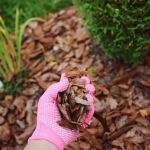 How to Choose Mulch Based on Soil Type
 How to Landscape With Fragrant Plants for a Pleasant Garden