
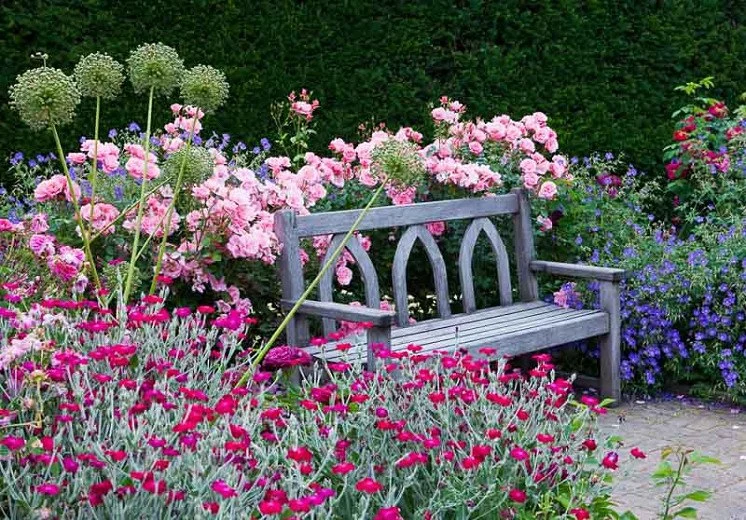
How to Landscape With Fragrant Plants for a Pleasant Garden
- 1. Choose the Right Fragrant Plants
- 2. Create Fragrance Zones in Your Garden
- 3. Mix Textures and Colors with Fragrant Flowers
- 4. Incorporate Aromatic Herbs and Shrubs
- 5. Plan for Seasonal Fragrance
- 6. Maintain Your Fragrant Plants for Longevity
1. Choose the Right Fragrant Plants
When landscaping with fragrant plants, the first step is selecting the right varieties that will produce a long-lasting aroma. You’ll want to choose plants that release their scent in the way you envision — whether it’s a sweet, floral fragrance or a calming herbal aroma. Consider native species, as they are often more resilient and well-suited to your climate.
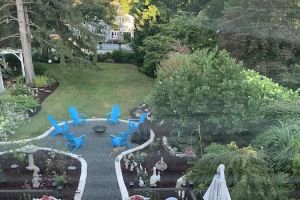
1.1 Best Fragrant Flowers for Landscaping
Some great options for fragrant flowers include roses, lavender, lilacs, jasmine, and peonies. These plants not only provide beautiful blooms but also fill your garden with pleasant scents that draw pollinators like bees and butterflies. Additionally, many of these flowers thrive in a variety of climates, making them easy to grow.

ER Yard & Landscape Drainage
Mount ProspectCook CountyIllinois
1004 Cypress Dr, Mt Prospect, IL 60056, USA
1.2 Scented Plants for Shade and Sun
Remember that some fragrant plants, like lavender, thrive in full sun, while others, such as hostas, are better suited for shaded areas. Mixing these different plants ensures that your garden will have a pleasant aroma no matter where you are within it.
2. Create Fragrance Zones in Your Garden
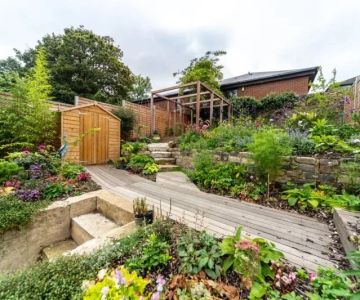
Designating specific areas in your garden for fragrance is an effective way to highlight the aromatic qualities of your plants. You can create a sensory garden section or place fragrant flowers along walking paths, near seating areas, or by windows to make the most of their scent. This strategy not only improves the fragrance experience but also adds structure to your garden design.
2.1 Walking Path Aromatherapy
If you have a garden pathway, plant fragrant flowers like roses or lavender along the sides. As you walk by, you’ll be able to enjoy the sweet, calming scent that fills the air. This also creates a beautiful visual display, enhancing the overall ambiance of your garden.
3. Mix Textures and Colors with Fragrant Flowers
Aromatic plants are often beautiful on their own, but combining them with a variety of textures and colors will make your garden visually striking while enhancing its fragrance. Incorporate both low-growing plants and tall shrubs to create a lush, layered look. Complement fragrant flowers with vibrant foliage and soft-textured plants to add depth and variety.
3.1 Fragrant Plant Combinations
For instance, pairing the delicate scent of lavender with the bold presence of rosemary or thyme creates a perfect contrast in your garden. The combination of visual and aromatic appeal can elevate the overall experience of your outdoor space.
4. Incorporate Aromatic Herbs and Shrubs
Herbs and shrubs are some of the most versatile and fragrant plants to use in landscaping. They offer year-round scent and can be used in many areas of your garden. Plus, they often provide culinary benefits! Popular fragrant herbs include mint, basil, thyme, and oregano, while shrubs like jasmine and honeysuckle can add depth and fragrance to your landscape.
4.1 Herb Garden for Aromatherapy
Plant a dedicated herb garden with aromatic varieties. Not only will these herbs provide a natural scent, but you can also use them for cooking or making homemade teas. A combination of herbs like rosemary, thyme, and lavender will fill the air with a rich, invigorating fragrance.
5. Plan for Seasonal Fragrance
To keep your garden smelling wonderful year-round, select plants that bloom in different seasons. Some flowers, like daffodils and hyacinths, bloom in early spring, while others, such as chrysanthemums and autumn crocus, bloom in the fall. Having plants that flower at various times ensures that your garden will always be fragrant no matter the season.
5.1 Winter Fragrance
Even in the colder months, you can incorporate fragrant plants like witch hazel or winter jasmine, which bloom in the winter, ensuring a pleasant aroma even during the chilly season.
6. Maintain Your Fragrant Plants for Longevity
To keep your fragrant garden thriving, regular maintenance is essential. Make sure to prune your plants to encourage healthy growth, remove dead flowers to prevent disease, and ensure your plants are getting the right amount of water and sunlight. Proper care will help maintain the fragrance of your plants for years to come.
6.1 Pruning for Scent Retention
Regularly prune plants like lavender and rosemary to help them stay compact and healthy. This promotes better airflow, preventing fungal diseases and helping the plant continue to produce its signature fragrance.
Incorporating fragrant plants into your landscape will not only beautify your garden but will also create a sensory experience that you can enjoy all year round. By following these tips, you can create a fragrant oasis that appeals to both your eyes and your nose. For more gardening tips and fragrant plant recommendations, visit 【Beautiful Landscapes】 today!



 Ivy Rose Lawns0.0 (0 reviews)
 Cortez Lawn Care4.0 (45 reviews)
 Lawn Care of Indiana5.0 (34 reviews)
 Evergreen Enterprise Nursery & Landscape5.0 (14 reviews)
 Cedar River Lawn Care5.0 (1 reviews)
 Walmart Patio & Garden Services0.0 (0 reviews)
 How to Reduce Your Landscape’s Water Usage by 30%
 Xeriscaping 101: Save Water & Create a Beautiful Yard
 How to Maintain Garden Beds Without Back Pain
 How to Use Garden Art to Add Personality to Your Outdoor Space
 How to Create a Healthy Lawn in Hot, Dry Summer
 How to Use Planters to Extend Planting Zones and Grow More Plants