Beautiful Landscapes
Beautiful LandscapesLandscaping InsightsLandscapers Near Me
IllinoisIndiana

Beautiful LandscapesLandscaping Insights

How to Reduce Your Landscape’s Water Usage by 30%

How to Reduce Your Landscape’s Water Usage by 30%

1. Why Water Conservation in Landscaping Is Important

Water conservation is becoming an increasingly important issue, especially in areas prone to drought or water shortages. Landscapes, particularly lawns and gardens, are major consumers of water, especially during the hot summer months. Implementing water-saving strategies not only helps the environment but can also reduce your water bills and promote healthier landscapes.Environmental Impact: Landscaping often accounts for a significant portion of residential water usage. By reducing water consumption, you help preserve local water resources and contribute to sustainability efforts.Cost Savings: Conserving water through smart landscaping techniques can also lead to significant savings on your water bill, making it a win-win for both the environment and your wallet.Drought Resilience: With changing weather patterns and increasing drought conditions in many regions, using less water in your landscape ensures that your outdoor spaces remain beautiful, even during dry spells.

2. How to Reduce Water Usage in Your Landscape

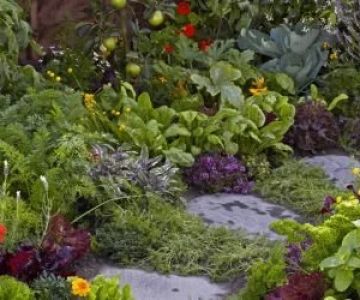
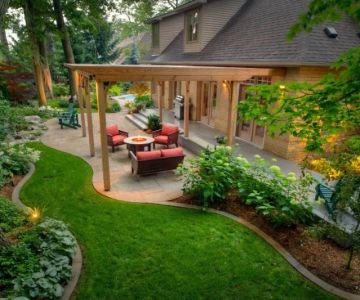
There are numerous practical ways to reduce water usage in your landscaping without sacrificing the beauty of your outdoor space. Here are some effective strategies:Group Plants According to Water Needs: One of the simplest ways to reduce water usage is to group plants with similar water requirements together. This allows you to focus watering efforts on areas that need more water, while conserving it in other parts of your landscape.Reduce Lawn Area: Lawns typically require a lot of water to maintain, so consider reducing the size of your lawn. Replace some grassy areas with drought-tolerant groundcovers or hardscaping elements like gravel or mulch to reduce water demands.Use Groundcovers and Native Plants: Groundcovers like clover, sedum, or other low-maintenance plants that are native to your region can help reduce water consumption. Native plants are adapted to local conditions and require less irrigation once established.

3. Smart Irrigation Systems for Water Efficiency

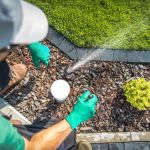
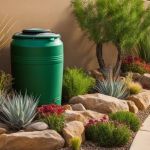
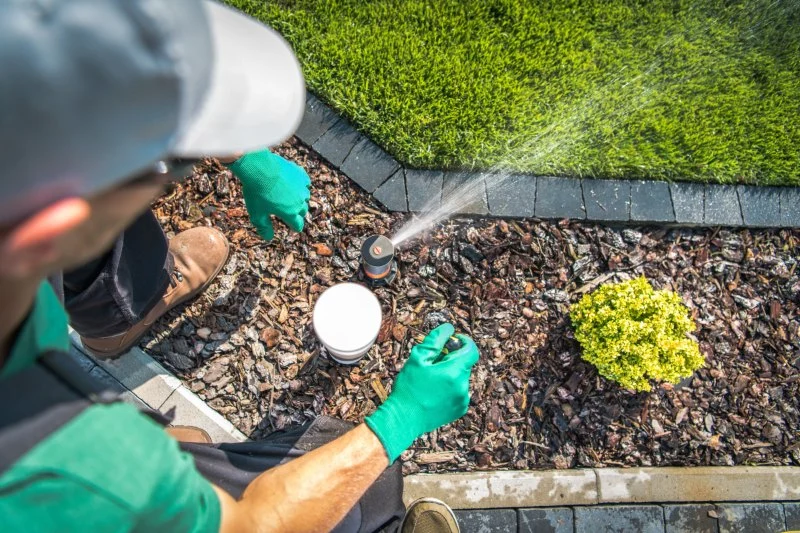
An efficient irrigation system is key to reducing water waste. Traditional irrigation methods often lead to overwatering, but modern smart irrigation systems are designed to deliver water where it’s needed most, when it’s needed.Drip Irrigation: Drip irrigation delivers water directly to the base of plants, minimizing evaporation and runoff. It’s especially useful for garden beds, vegetable gardens, and trees.Smart Controllers: Installing a smart irrigation controller can further improve water efficiency. These systems adjust watering schedules based on weather conditions, soil moisture levels, and the specific needs of your plants, reducing water usage and promoting healthier landscapes.Rain Barrels: Collecting rainwater with rain barrels is an eco-friendly way to water your garden. This reduces reliance on municipal water systems and provides free, natural water for your plants.

4. Choosing Drought-Resistant Plants for Less Water Use

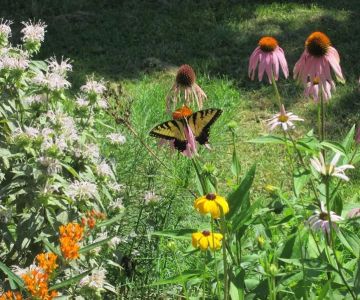
One of the best ways to reduce your landscape’s water usage is by choosing plants that require less water. Drought-resistant plants are ideal for conserving water while still creating a beautiful and functional landscape.Cacti and Succulents: These plants are well-known for their ability to store water and thrive in dry conditions. Consider planting a variety of cacti, succulents, or drought-tolerant shrubs to reduce your watering needs.Native Plants: Native plants are naturally adapted to the local climate and require less water than non-native species. They are also more resistant to pests and diseases, making them a low-maintenance option.Perennials vs. Annuals: Many annual plants require frequent watering, but perennials are typically more drought-tolerant once established. Choose perennials that are suited to your region’s climate for a low-maintenance, water-efficient garden.

5. Mulching and Irrigation Techniques for Better Water Retention

Mulching is a simple yet effective way to retain moisture in the soil and reduce the need for frequent watering.Benefits of Mulching: A thick layer of mulch helps keep the soil cool and prevents evaporation, reducing the need to water frequently. Organic mulches, such as wood chips or straw, can also improve soil health over time.Irrigation Timing: Watering early in the morning or late in the evening helps reduce water loss due to evaporation. Avoid watering during the heat of the day, when much of the water will evaporate before it reaches the roots of your plants.

6. Real-Life Cases of Successful Water Conservation in Landscaping

Here are some inspiring examples of homeowners who successfully reduced their landscape’s water usage:Case Study 1 – Sarah’s Sustainable Landscape: Sarah decided to redesign her backyard by replacing her lawn with native plants and succulents. She installed a drip irrigation system and used rain barrels to water her garden. As a result, she reduced her water usage by 40% and enjoyed a low-maintenance, drought-resistant landscape.Case Study 2 – Mark’s Smart Irrigation System: Mark installed a smart irrigation system in his front and backyards. The system adjusted watering schedules based on weather patterns, ensuring his plants received the right amount of water without waste. His water bills decreased by 30%, and his plants thrived with minimal effort.

Popular Blog Posts

Categories

Top Visited Sites

Trending Landscaping Insights Posts