
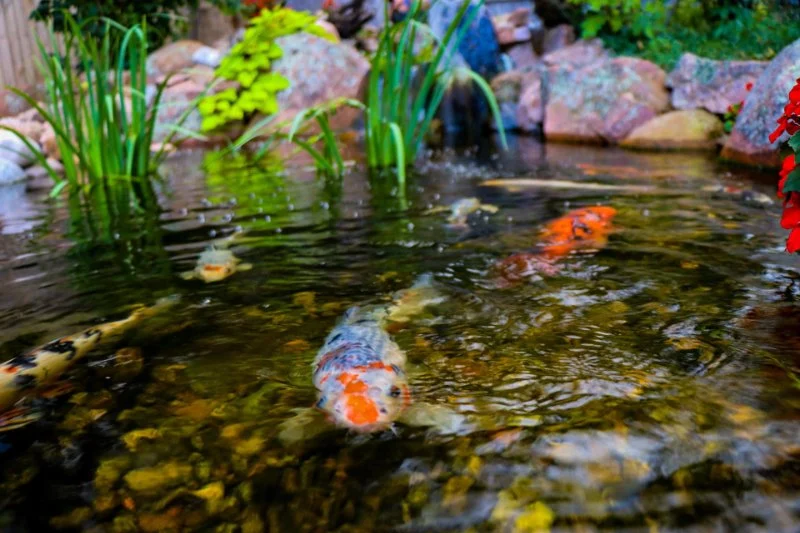
1. Planning Your Backyard Pond
Building a backyard pond can be a rewarding project that adds beauty and tranquility to your outdoor space. Before diving into construction, careful planning is crucial for ensuring that your pond thrives for years to come. Start by considering the size and location of your pond, as well as its purpose. Will it be a simple decorative water feature, or are you planning to include koi fish and aquatic plants?
Here are some factors to consider:
- Size and Depth: Determine the ideal size based on your available space and your desired aesthetic. A deeper pond, at least 2 to 3 feet deep, is necessary for fish to thrive and for maintaining a stable water temperature.
- Location: Choose a sunny spot that receives at least 4-6 hours of sunlight daily. This will help support plant life and discourage algae growth. However, avoid locations directly under trees, as falling leaves can create debris and increase maintenance.
- Design: Consider whether you want a formal, geometric pond or a more natural, freeform shape. The design will influence both construction and the overall look of your garden.
Taking the time to properly plan your pond will make the construction process smoother and ensure that the pond is aesthetically pleasing and functional.
Walmart Patio & Garden Services
CentraliaClinton CountyIllinois
1212 W McCord St, Centralia, IL 62801, USA
2. Step-by-Step Guide to Building Your Pond
Once you have your plan in place, it's time to start building. Follow this step-by-step guide to create your backyard pond:
1. Dig the Pond: Start by marking the area where the pond will be located. Dig the hole to your desired size and depth, ensuring that the bottom is level. For a natural look, consider varying the depth to create different water levels and give your pond a more dynamic appearance.
2. Install a Pond Liner: After digging, line the pond with a heavy-duty pond liner to prevent water from seeping into the soil. Pond liners come in different materials, such as rubber or EPDM, and should be durable enough to last for years. Ensure the liner fits snugly and is free of wrinkles or folds to maintain water pressure.
3. Add Rocks and Edging: Use rocks and gravel to edge the pond and give it a natural look. Rocks can also help hide the pond liner and provide a place for plants to grow. For extra stability, you can add a layer of sand beneath the liner before adding the rocks.
4. Install a Pump and Filtration System: A pump and filtration system are essential for maintaining clean water and ensuring proper water circulation. The pump will keep the water moving, while the filtration system helps prevent algae and debris buildup. Choose a pump and filter size appropriate for your pond’s size.
5. Fill the Pond with Water: Once the liner, pump, and filter are in place, fill the pond with water. Use dechlorinated water or let it sit for 24-48 hours to allow chlorine to dissipate before introducing any aquatic life.

3. Essential Equipment for Building a Successful Pond
In addition to the basic construction materials, there are several pieces of equipment that can help your pond thrive:
1. Pond Pump: The pump is essential for keeping water circulating and ensuring oxygen is distributed throughout the pond. It also helps maintain water clarity by circulating water through the filtration system.
2. Pond Filter: Filters remove debris and prevent harmful algae from overtaking your pond. Depending on the size of your pond, choose a filter that matches the volume of water and the types of plants or fish you plan to keep.
3. UV Clarifier: If you have a problem with algae, a UV clarifier can help. This device uses ultraviolet light to kill algae spores, helping to keep the water clear and free from green water.
4. Aerator: For ponds that contain fish, aerators are important for oxygenating the water, especially in deeper ponds. They help create a healthy environment for aquatic life by ensuring that oxygen levels remain optimal.
4. Tips for Maintaining Your Backyard Pond
Building your pond is just the beginning. To keep it beautiful and healthy, regular maintenance is essential. Here are some tips for maintaining your pond:
1. Clean the Pond Regularly: Remove fallen leaves, debris, and dead plant material to keep the water clean and prevent the buildup of organic matter that can lead to algae. Depending on the size of your pond, cleaning may be needed every few weeks, especially in the fall when leaves are falling.
2. Check the Water Quality: Regularly test the water for pH levels, ammonia, and nitrate content. Poor water quality can harm fish and plants, so it’s important to address imbalances quickly by adjusting chemical levels or performing partial water changes.
3. Trim and Care for Plants: Aquatic plants help maintain balance in your pond by absorbing nutrients that would otherwise fuel algae growth. Trim dead or overgrown plants to keep the pond looking neat, and ensure that plants have room to grow.
4. Winter Care: In colder climates, you’ll need to take extra steps to protect your pond during the winter months. This may include removing pumps and filters to prevent freezing, installing a pond heater to maintain open water, and ensuring fish have a safe, oxygenated area to survive the winter.
5. Real-Life Case: Building a Backyard Pond
James and Maria, a couple living in the suburbs, decided to create a backyard pond after many years of dreaming about it. They wanted a place to relax and enjoy nature while also adding value to their home. After researching pond designs and gathering materials, they followed a step-by-step guide similar to the one described here. The project took them a few weekends, but the result was a serene, beautiful pond complete with a waterfall and a variety of aquatic plants.
Over time, the pond became their favorite spot in the yard. James found that the water feature helped him unwind after work, and Maria loved tending to the plants and fish. They also noticed an increase in wildlife, with birds and butterflies visiting the pond regularly. Their success story shows that with a little planning and effort, a backyard pond can transform a space and provide years of enjoyment.
6. Resources for Building and Maintaining Your Pond
For those interested in building and maintaining a backyard pond, there are many resources available to help. Here are a few helpful tools and services:
1. Online Pond Building Guides: Websites like Beautiful Landscapes offer detailed guides on pond construction, care, and maintenance, as well as suggestions for the best equipment to use.
2. Local Garden Centers and Aquatic Supply Stores: These stores often carry all the materials and equipment needed for pond building and maintenance, from liners and pumps to plants and fish. They may also offer expert advice for maintaining a healthy pond.
3. Professional Pond Maintenance Services: If you prefer to leave the maintenance to the experts, consider hiring a professional pond service to regularly clean and care for your pond, ensuring it remains in top condition.

 Scenic Outdoorscapes3.0 (2 reviews)
 D&L Preservation Solutions5.0 (2 reviews)
 Cornerstone Partners Horticultural Services Company4.0 (34 reviews)
 AI Lumins Indoor/Outdoor Lighting5.0 (11 reviews)
 Threeboyslandscaping5.0 (3 reviews)
 Quality Lawn Care by Nick Mayes4.0 (89 reviews)
 How to Design for Low Maintenance in Coastal Climates
 How to Recover From Overwatering & Root Rot
 How to Landscape With Textured Leaves for Visual Interest
 How to Use Planters to Extend Planting Zones and Grow More Plants
 How to Create a Courtyard Garden With Limited Space
 How to Revive Dead Grass: A Complete Step-by-Step Guide to Lawn Care