
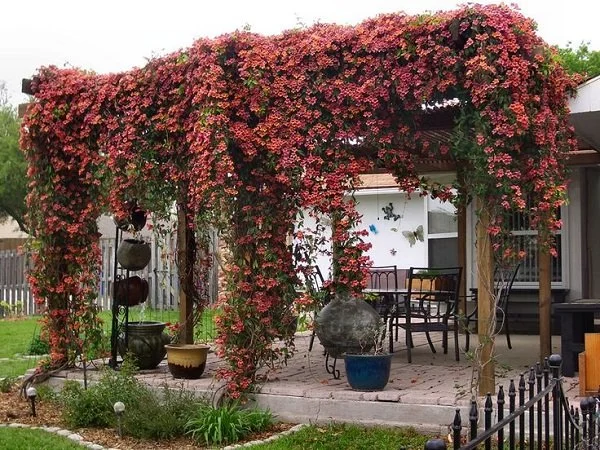
- Understanding Climbing Plants
- Choosing the Right Pergola or Trellis
- Best Climbing Plants for Pergolas and Trellises
- Planting and Caring for Climbing Plants
- Real-Life Examples of Climbing Plants on Pergolas and Trellises
- Where to Buy Climbing Plants and Trellises
1. Understanding Climbing Plants
Climbing plants are a fantastic way to add vertical interest and beauty to your garden. These plants naturally grow upwards, using structures like trellises, fences, or pergolas to support their growth. Not only do climbing plants enhance the aesthetic appeal of your outdoor space, but they also offer practical benefits such as creating privacy and shade.
Before diving into how to grow climbing plants on pergolas and trellises, it's important to understand how these plants grow. Climbing plants can be divided into two main types: true climbers and self-clinging plants. True climbers, such as vines, rely on tendrils or twining stems to attach to structures. Self-clinging plants, like ivy, use small rootlets to cling to surfaces.
2. Choosing the Right Pergola or Trellis
When planning to grow climbing plants, the first step is choosing the right structure to support them. Pergolas and trellises come in various shapes and sizes, and selecting the right one depends on your space, design preferences, and the type of plants you want to grow.
Pergolas are larger, freestanding structures that create a shaded walkway or sitting area. They provide a sturdy framework for larger, more robust climbing plants. A pergola allows for a wider variety of climbing plants and offers more flexibility in terms of coverage, creating a stunning focal point in your garden.
Trellises are smaller and more compact structures that work well for smaller spaces or more delicate climbing plants. They can be attached to walls, fences, or positioned as standalone features. Trellises are ideal for growing plants like peas or roses that require less space but still benefit from vertical support.
3. Best Climbing Plants for Pergolas and Trellises
Choosing the right climbing plants is key to creating a beautiful and functional garden space. Here are some of the best climbing plants for pergolas and trellises:
- Wisteria: Known for its stunning cascading blooms, wisteria is a vigorous climber that thrives on pergolas. It produces large clusters of purple or white flowers in spring, making it a favorite for creating a dramatic, fragrant garden feature.
- Roses: Climbing roses are classic choices for trellises and pergolas. With a variety of colors and fragrances, they add elegance and beauty to any space. Regular pruning is important to keep them thriving.
- Clematis: This versatile plant comes in many different varieties, ranging from small, delicate flowers to large, showy blooms. Clematis is perfect for both trellises and pergolas, providing a burst of color and texture.
- Virginia Creeper: A fast-growing plant known for its vibrant red autumn foliage, Virginia Creeper is great for covering larger structures like pergolas. It’s a hardy plant that’s relatively easy to care for.
- Sweet Peas: If you’re looking for a fast-growing, fragrant plant for your trellis, sweet peas are a perfect choice. These flowers bloom in a range of colors and produce a delightful fragrance, especially in the spring and summer months.
4. Planting and Caring for Climbing Plants
Growing climbing plants on pergolas and trellises requires proper planting and maintenance to ensure their success. Here are some essential tips for planting and caring for your climbing plants:
- Planting: When planting climbing plants, choose a location that gets plenty of sunlight, as most climbing plants thrive in sunny areas. Make sure the soil is well-drained and rich in organic matter. Dig a hole wide enough to accommodate the roots of the plant, and position the plant so that it can easily reach the structure for support.
- Training the Plant: As your climbing plant grows, gently guide it towards the trellis or pergola. Use soft ties or plant clips to secure the stems to the structure, being careful not to damage the plant.
- Watering: Climbing plants need regular watering, especially during the growing season. Water deeply to encourage strong root growth, but avoid over-watering, as this can lead to root rot. Mulching around the base of the plant can help retain moisture and keep weeds at bay.
- Pruning: Regular pruning is essential to keep your climbing plants healthy and tidy. Remove dead or damaged stems, and trim back overgrown areas to promote new growth and ensure the plant continues to thrive on the trellis or pergola.
5. Real-Life Examples of Climbing Plants on Pergolas and Trellises
Here are some real-life examples of how homeowners have successfully grown climbing plants on pergolas and trellises:
Case Study 1: Jessica transformed her backyard by adding a wooden pergola and planting wisteria around the structure. Over time, the wisteria grew beautifully, creating a stunning canopy of purple flowers each spring. Jessica loves spending time under the pergola with her family, enjoying the shade and the lovely fragrance of the flowers.
Case Study 2: Mark, an avid gardener, used a trellis to grow climbing roses and clematis in his front yard. The combination of the vibrant blooms created a colorful focal point at the entrance to his home. He regularly prunes the plants to encourage healthy growth and ensures that they have adequate support to climb the trellis.
6. Where to Buy Climbing Plants and Trellises
If you’re ready to get started with growing climbing plants, you can find everything you need at Beautiful Landscapes. They offer a wide selection of climbing plants, trellises, pergolas, and gardening tools to help you create the perfect vertical garden. Whether you’re looking for a sturdy trellis or the right plant for your space, Beautiful Landscapes has you covered.




 Stonetree Landscapes Inc3.0 (10 reviews)
 Walmart Patio & Garden Services0.0 (0 reviews)
 American Tree And Lawn Services5.0 (341 reviews)
 Diller-Rod, Inc.4.0 (38 reviews)
 Oak Bros TreeCycle5.0 (49 reviews)
 C&T Earthworks LLC5.0 (4 reviews)
 Lazy Lawn Care: How to Maintain Grass with Minimal Effort
 How to Install a French Drain to Resolve Water Issues | Easy Guide
 How to Use Perennials to Create a Low Maintenance Garden
 Top 10 Low-Maintenance Plants for American Yards | Beautiful Landscapes
 How to Design With Movement: Plants That Sway Gracefully in Your Garden
 How to Choose Eco-Friendly Outdoor Flooring Options: Sustainable Choices for Your Garden