
How to Deal With Poor Soil: Amendments & Improvements for Better Gardening
- 1. Introduction: Understanding Poor Soil
- 2. Identifying Poor Soil: Signs and Causes
- 3. Soil Amendments: What to Add to Improve Your Soil
- 4. The Importance of Organic Matter in Soil Improvement
- 5. Adjusting Soil pH and Improving Drainage
- 6. Case Study: Improving Garden Soil in Different Environments
- 7. Future Steps for Maintaining Healthy Soil
1. Introduction: Understanding Poor Soil
Poor soil is one of the most common challenges gardeners face. Whether it's compacted, nutrient-depleted, or lacking in structure, soil issues can prevent plants from thriving. Understanding how to identify poor soil and the best methods to improve it is crucial for any gardener. This article will guide you through the steps to amend and enhance your soil, so your garden can flourish.

Emerald City Landscaping & Outdoor Lighting
7560 Peachwood Dr, Newburgh, IN 47630, USA
2. Identifying Poor Soil: Signs and Causes
Before you can fix poor soil, it’s essential to identify what’s causing the issues. Common signs of poor soil include:
- Compacted Soil: If your soil is hard and doesn’t absorb water well, it may be compacted. Compaction can prevent plant roots from penetrating and absorbing necessary nutrients.
- Low Fertility: Poor soil often lacks essential nutrients like nitrogen, phosphorus, and potassium, which are crucial for plant growth.
- Excessive Drainage or Poor Drainage: Soil that drains too quickly or too slowly can both be problematic. This can lead to water stress in plants.
- Imbalanced pH: Soil with a pH that’s too high (alkaline) or too low (acidic) can hinder plant growth. Most plants prefer a pH between 6 and 7.
3. Soil Amendments: What to Add to Improve Your Soil
There are several amendments you can add to improve soil quality. Depending on your specific soil needs, the following options are commonly used to enhance soil health:
- Compost: Adding organic matter like compost enriches the soil with nutrients, improves its texture, and increases its water-holding capacity.
- Peat Moss: Peat moss can help improve soil structure, particularly in sandy or clay-heavy soils, by increasing moisture retention and aeration.
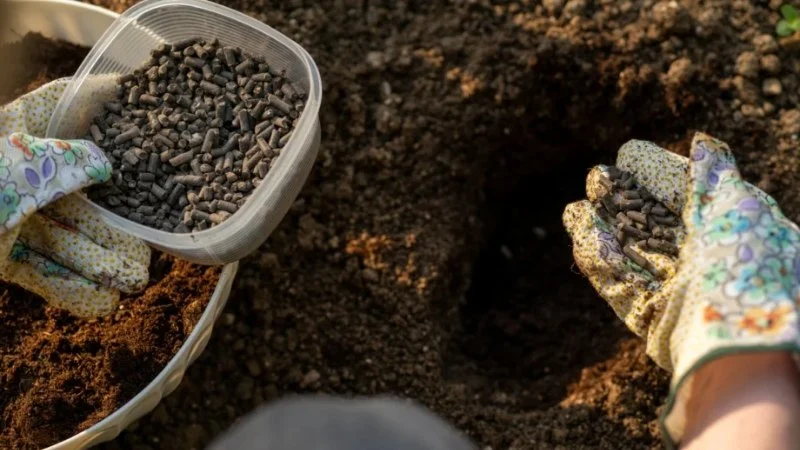
- Worm Castings: Worm castings are rich in nutrients and beneficial microorganisms that help improve soil fertility and support plant health.
- Gypsum: Gypsum is an effective amendment for improving compacted clay soils by breaking up the particles and improving drainage.
4. The Importance of Organic Matter in Soil Improvement
Organic matter is one of the most powerful tools in improving poor soil. It helps improve soil structure, enhances nutrient availability, and supports healthy microbial activity. Organic matter can come from a variety of sources, including compost, mulch, manure, and cover crops. Regularly adding organic matter to your soil is one of the best ways to keep it healthy in the long term.

5. Adjusting Soil pH and Improving Drainage
Soil pH and drainage are two critical factors that influence plant health. Here are some methods to adjust these aspects:
- Adjusting Soil pH: If your soil is too acidic or too alkaline, you can amend it by adding lime to raise the pH or sulfur to lower it. Be sure to test your soil before making any adjustments.
- Improving Drainage: If your soil retains too much water, adding organic matter like compost can help improve drainage. For sandy soils, you may need to add organic amendments to improve water retention.
6. Case Study: Improving Garden Soil in Different Environments
To better understand how these amendments work, let’s look at a case study of a garden in a clay-heavy area. The soil was compacted, had poor drainage, and was lacking in nutrients. By adding compost, gypsum, and organic mulch, the soil texture improved significantly, and water retention was balanced. The plants thrived, showing healthy growth and vibrant colors.
7. Future Steps for Maintaining Healthy Soil
Maintaining healthy soil requires ongoing attention. Here are some future steps to ensure your soil remains in top condition:
- Regular Soil Testing: Test your soil every year to monitor pH levels, nutrient content, and other critical factors.
- Mulching: Mulch helps retain moisture, suppress weeds, and slowly breaks down to add organic matter to the soil.
- Crop Rotation: Rotate the plants you grow each year to prevent nutrient depletion and improve soil structure.






 KLS Enterprises Lawn4.0 (13 reviews)
 Living Colors Landscape Management0.0 (0 reviews)
 Earthscapes, Inc.4.0 (17 reviews)
 Southern Illinois Lawn Care5.0 (4 reviews)
 Heart Rock Landscaping4.0 (19 reviews)
 Ray Hintz Inc.4.0 (47 reviews)
 How to Manage Slopes & Drainage in Your Yard - Beautiful Landscapes
 How to Create a Backyard Retreat With Minimal Effort
 How to Create a Butterfly Pathway Through Your Garden
 7 Steps to Create a Pollinator Garden That Attracts Bees & Butterflies
 How to Landscape for Seasonal Wildlife Attraction: Creating Habitats for Nature's Visitors
 How to Install a French Drain to Resolve Water Issues | Easy Guide