
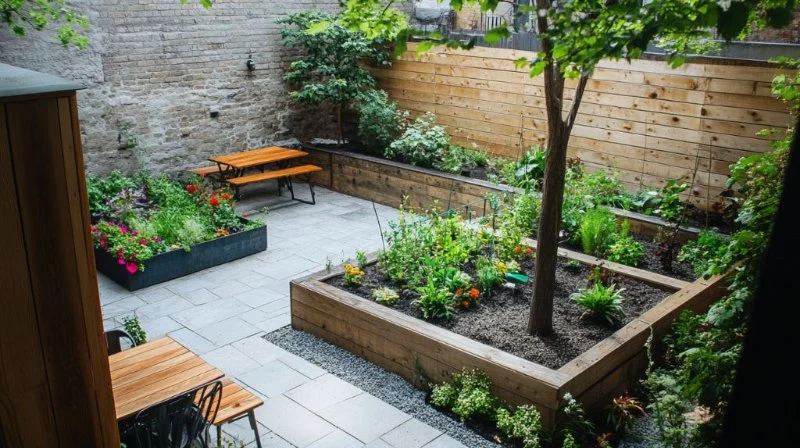
Transforming Small Spaces: Creating a Courtyard Garden With Limited Space
- 1 - Planning Your Courtyard: Assessing Space and Goals
- 2 - Choosing the Right Plants for Limited Spaces
- 3 - Vertical Gardening and Container Solutions
- 4 - Creating Focal Points to Enhance Visual Appeal
- 5 - Light and Shade Considerations in Small Courtyards
- 6 - Maximizing Functional Use of Your Courtyard
- 7 - Decor and Accessories for a Cohesive Look
- 8 - Maintaining Your Small Garden for Longevity
- 9 - Success Stories and Real-Life Examples
- 10 - Final Tips for a Stress-Free Courtyard Garden
1 - Planning Your Courtyard: Assessing Space and Goals
Before you start planting, evaluate your courtyard's dimensions, sunlight exposure, and existing structures. Determine your primary goals: are you looking for a serene retreat, a functional space for entertaining, or a mixture of both? Mapping out your space with sketches helps visualize plant placement, seating, and pathways. Use scaled drawings to ensure your furniture and plant choices will fit without overcrowding the area.
Gunnar Olsen Landscaping
Williams BayWalworth CountyWisconsin
523 Woodlawn Dr, Williams Bay, WI 53191, USA
2 - Choosing the Right Plants for Limited Spaces
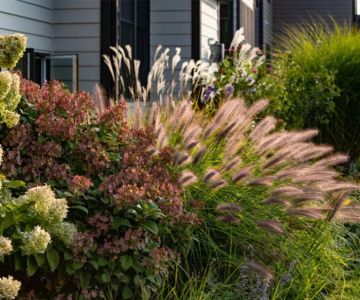
Selecting plants that thrive in small spaces is critical. Opt for compact varieties, dwarf shrubs, and multi-functional greenery like climbing plants that can be trained vertically. Consider aromatic herbs such as basil, rosemary, and lavender for both fragrance and utility. Native plants often require less maintenance and are more resilient in local climates, making them ideal for small courtyards.

3 - Vertical Gardening and Container Solutions
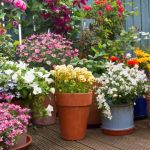
Vertical gardening maximizes space by allowing plants to grow upward rather than outward. Use trellises, wall-mounted planters, and hanging baskets to create layers of greenery. Container gardening is also effective for small spaces, offering flexibility in moving plants according to sunlight and aesthetic needs. For a cohesive look, select containers in complementary colors and materials that blend with your courtyard’s overall design.
4 - Creating Focal Points to Enhance Visual Appeal
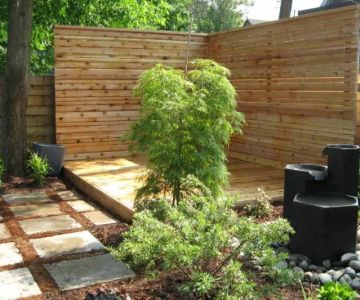
A well-chosen focal point draws the eye and provides balance to a compact garden. Consider a small water feature, a sculptural piece, or a striking potted plant cluster. Focal points help organize visual space and create a sense of depth, making your courtyard feel larger and more inviting.
5 - Light and Shade Considerations in Small Courtyards
Assessing sunlight and shade patterns is vital for plant health. Choose sun-loving species for areas with maximum exposure, and shade-tolerant plants for corners or under structures. Using reflective surfaces like light-colored walls or mirrors can enhance light distribution, while strategically placed shade sails or pergolas provide comfort for seating areas and protect delicate plants from harsh sun.
6 - Maximizing Functional Use of Your Courtyard
Limited space should not limit utility. Integrate multifunctional furniture such as foldable tables, benches with storage, and compact seating arrangements. Narrow pathways with stepping stones can guide movement without consuming excessive space. Design your layout to balance greenery with functional zones for dining, relaxation, or even a small herb garden for cooking.
7 - Decor and Accessories for a Cohesive Look
Decorative elements personalize your courtyard and enhance ambiance. Outdoor rugs, lanterns, string lights, and small sculptures add charm without taking up plantable area. Mirrors can create an illusion of depth, and vertical wall art can complement climbing plants. Choose a consistent color palette to unify all elements and create a harmonious, visually appealing space.
8 - Maintaining Your Small Garden for Longevity
Small courtyards require consistent care to remain beautiful and functional. Regular pruning, fertilizing, and pest control are essential. Consider automated watering systems or self-watering containers to simplify maintenance. Keep pathways clear and inspect furniture for wear to ensure safety and ease of use. Maintenance routines, though short, help prevent overcrowding and maintain a sense of openness.
9 - Success Stories and Real-Life Examples
Many urban homeowners have transformed tiny courtyards into lush, inviting spaces. One example featured a 150-square-foot courtyard using vertical gardens and stacked planters, allowing room for a small dining table. Another success story involved converting a narrow side yard into a vibrant herb and flower garden with multi-level containers and hanging baskets. These real-life implementations showcase the possibilities even with strict space limitations.
10 - Final Tips for a Stress-Free Courtyard Garden
Creating a courtyard garden in limited space is both rewarding and manageable with proper planning. Prioritize vertical growth, multifunctional features, and compact plant selections. Balance aesthetics with functionality, and personalize your space with decor that enhances your lifestyle. For more expert guidance, inspiration, and products to help you transform your small courtyard, visit Beautiful Landscapes to explore tools, tips, and curated plant selections tailored for compact gardens.
 Collins Lawn Care5.0 (8 reviews)
 Tecza Landscape Group3.0 (25 reviews)
 TruGreen Lawn Care4.0 (351 reviews)
 CJS Lawn & Landscaping4.0 (71 reviews)
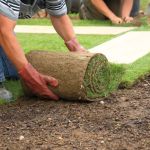 Royal Green Sod Farm5.0 (18 reviews)
 Roe Nurseries, Inc.4.0 (16 reviews)
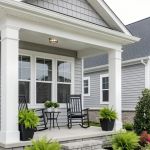 Best Ways to Stage Your Front Yard for Curb Appeal
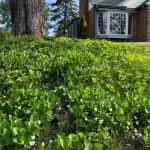 How to Create a Low-Water Turf Alternative | Beautiful Landscapes
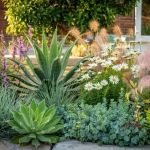 How to Reduce Maintenance with Smart Plant Grouping
 How to Use Container Planting in Small Spaces
 How to Maintain Stone and Brick Pathways Effectively
 How to Predict Plant Growth & Spread in 5 Years