
1. Why a Low-Water Turf Alternative is Important
As water conservation becomes more critical, many homeowners are looking for ways to reduce their water usage. Traditional grass lawns require substantial water to stay green and healthy, especially in dry climates. A low-water turf alternative can help you maintain a beautiful landscape without depleting valuable water resources. Not only does this save on water bills, but it also contributes to a sustainable environment.

2. Benefits of Low-Water Turf Alternatives
Low-water turf alternatives offer numerous benefits beyond just water conservation. They can significantly reduce the time and money spent on lawn maintenance. With minimal irrigation needs, these alternatives can thrive in drought conditions and still provide aesthetic appeal. Some alternatives even require less fertilizer and pesticide usage, promoting healthier soil and a more eco-friendly environment.
Tom Niebeling Landscaping LLC
La CrescentHouston CountyMinnesota
830 Sportsmans Valley Rd N, La Crescent, MN 55947, USA
3. Types of Low-Water Turf Alternatives
There are several options when it comes to low-water turf alternatives. Let's explore a few popular ones:
3.1. Drought-Resistant Grass Varieties
Many grass types are naturally more drought-tolerant than others. These include Bermuda grass, buffalo grass, and fescues. These grasses require less water once established and are ideal for areas with hot summers and low rainfall. By choosing drought-resistant varieties, you can still enjoy a green lawn without the excessive watering.
3.2. Ground Covers
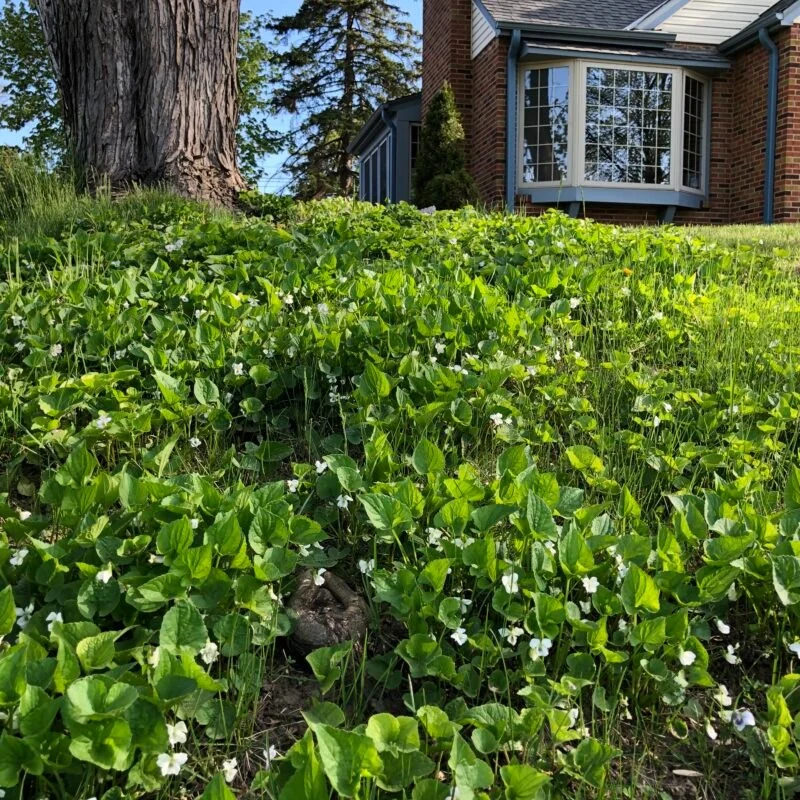
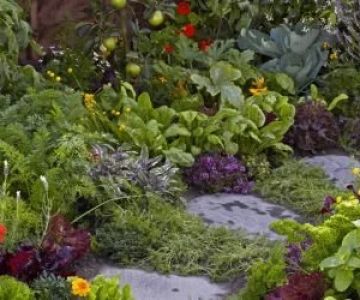
Ground covers such as clover, thyme, and sedum can be used to create a lush, green space without the need for traditional turf. These plants often require little water and provide great texture and color to your landscape. They are especially suited for smaller areas or spots where grass might not grow well.
3.3. Artificial Turf
Artificial turf is another popular low-water alternative. It mimics the appearance of natural grass but requires no water at all. While it does come with an initial installation cost, it’s a maintenance-free option that saves water over time. This is an excellent solution for areas with restrictions on water usage or where natural grass simply won’t thrive.
4. How to Install a Low-Water Turf Alternative
Installing a low-water turf alternative can vary depending on the type of alternative you choose. Here’s a general guide on how to create a low-water landscape:
4.1. Prepare the Site
Start by removing any existing turf or weeds. For grass alternatives, you'll want to ensure the soil is loosened and well-drained. If you're planting ground covers, make sure the soil is suitable for the specific plant types you're using. Testing the soil's pH level can also help determine the right plants for the area.
4.2. Select the Right Plants or Materials
Choose drought-tolerant plants, grass varieties, or artificial turf that suit your climate and landscape style. For example, in areas with hot summers and little rain, opt for native plants and grasses that have adapted to the local conditions. In colder climates, consider fescue grasses that are hardy and low-maintenance.
4.3. Watering and Maintenance
Even though your new landscape requires less water, some irrigation might still be necessary during establishment. Drip irrigation systems are ideal for providing water directly to the roots of plants, ensuring they get the right amount. Over time, as plants become established, you'll need to water much less frequently.
5. Real-World Case Study: How One Homeowner Saved Water with a Low-Water Turf Alternative
Jane, a homeowner in California, decided to switch to a low-water turf alternative after seeing her water bills soar during the summer months. After replacing her traditional grass lawn with drought-resistant Bermuda grass and installing a drip irrigation system, she saw a significant reduction in her water usage. Within the first year, her landscape was thriving without the need for excessive watering, and her water bills were cut in half.
6. Where to Buy Low-Water Turf Alternatives
If you're looking to get started on your low-water landscape project, check out Beautiful Landscapes, where you can find the most suitable products, turf options, and services tailored to your specific needs. Whether you're looking for drought-resistant grass, ground covers, or even artificial turf, we have everything you need to transform your lawn into a water-efficient paradise.
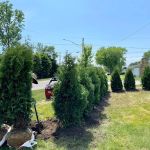 NR Landscaping5.0 (49 reviews)
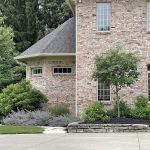 Hoosier Homes Lawn & Landscape LLC4.0 (305 reviews)
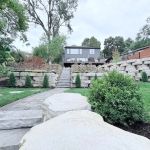 Envirocraft0.0 (0 reviews)
 Jones & Sons - Concrete & Masonry Products4.0 (12 reviews)
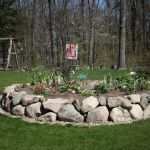 Earthscapes5.0 (1 reviews)
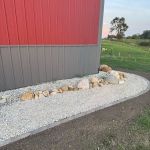 Riedel Land Management4.0 (14 reviews)
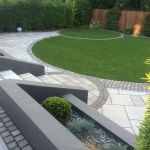 How to Use Curves vs. Straight Lines in Garden Design
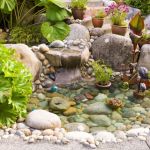 How to Incorporate Water Features Without Overpowering Your Landscape
 How to Incorporate Pathway Lighting for Safety and Style
 How to Maintain Garden Beds Without Back Pain
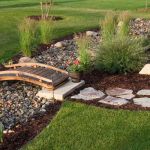 How to Manage Slopes & Drainage in Your Yard - Beautiful Landscapes
 How to Use Planters to Add Height and Structure to Your Garden