
- 1-Understanding-Privacy-Landscaping
- 2-Strategic-Planting-for-Natural-Barriers
- 3-Using-Trees-and-Shrubs-Effectively
- 4-Layered-Planting-for-Depth-and-Seclusion
- 5-Incorporating-Vertical-Elements
- 6-Creative-Hardscape-Solutions
- 7-Water-Features-and-Other-Natural-Barriers
- 8-Maintaining-Privacy-Through-Seasonal-Planting
- 9-Personalized-Landscape-Design-Tips
- 10-Resources-and-Recommendations
1. Understanding Privacy Landscaping
Privacy landscaping offers homeowners the opportunity to create secluded outdoor spaces without the need for traditional fencing. By carefully selecting and arranging plants, trees, and structural elements, you can enjoy a backyard retreat that feels protected and intimate.
David J. Frank Landscape Contracting
BrookfieldWaukesha CountyWisconsin
4555 N 124th St, Brookfield, WI 53005, USA
1.1 Benefits of Landscaping for Privacy
Beyond seclusion, strategic landscaping can reduce noise pollution, provide shade, enhance aesthetic appeal, and increase property value. Well-planned greenery creates a natural barrier while maintaining harmony with the environment.
1.2 Assessing Your Space
Evaluate the dimensions of your yard, sightlines from neighbors, and the position of existing structures. Understanding these factors will help you determine where to place natural barriers most effectively.
2. Strategic Planting for Natural Barriers
Planting is the cornerstone of privacy landscaping. The right selection and placement of vegetation can block unwanted views while adding beauty.
2.1 Choosing Dense Foliage
Select plants with thick leaves or multi-layered branches. Evergreens, such as boxwoods or hollies, provide year-round coverage and minimal gaps, making them ideal for natural privacy.
2.2 Planting in Rows and Clusters
Rows of shrubs or clusters of tall grasses can form living walls, reducing visibility and creating a cozy atmosphere. Mixing heights and textures adds depth and visual interest.
3. Using Trees and Shrubs Effectively
Trees and shrubs offer vertical height that enhances privacy without enclosing your space completely.
3.1 Tall Trees for Screening
Plant fast-growing trees like Leyland cypress or arborvitae along property lines to act as natural screens. Consider spacing and mature height to avoid overcrowding or shading unwanted areas.
3.2 Shrubs for Mid-Level Privacy
Medium-height shrubs, such as hydrangeas or privet, fill the gap between ground cover and tall trees, creating layered screening that obstructs sightlines effectively.
4. Layered Planting for Depth and Seclusion
Layering plants of different heights and textures creates a dynamic landscape while improving privacy.
4.1 Ground Cover and Flowering Plants
Low-growing plants, groundcovers, and flowering perennials enhance beauty and add subtle privacy at eye level. Use them to soften transitions between open areas and taller privacy plants.
4.2 Staggered Planting for Natural Flow
Avoid straight lines; stagger plants to create a more organic feel. This approach enhances seclusion while blending naturally with the environment.
5. Incorporating Vertical Elements
Vertical elements complement plantings and add additional screening.
5.1 Trellises and Lattice Screens
Install trellises or lattice panels with climbing plants like clematis or ivy to add height and privacy in compact spaces. They also introduce visual interest and texture.
5.2 Pergolas and Arbors
Pergolas or arbors with trailing vines offer partial cover and define outdoor spaces, creating intimate zones without enclosing the yard entirely.
6. Creative Hardscape Solutions
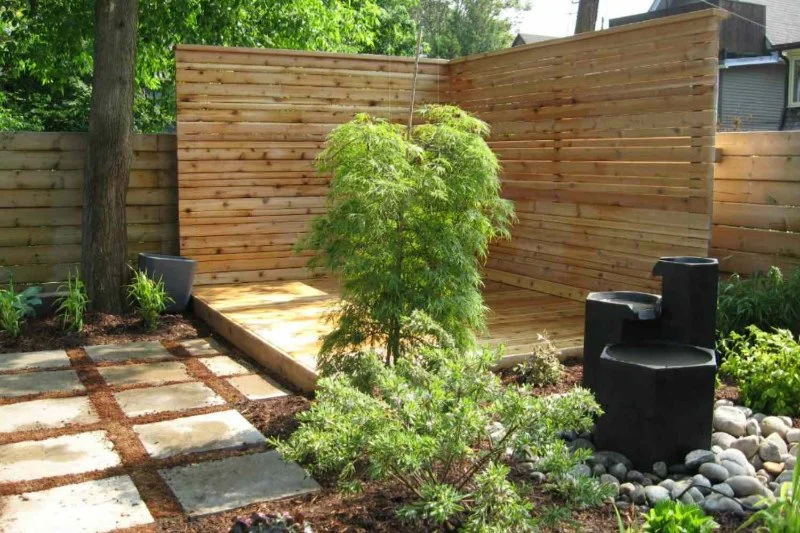
Hardscape features can provide privacy while enhancing the landscape’s aesthetic appeal.
6.1 Decorative Screens and Panels
Wood or metal screens strategically placed near patios or seating areas provide immediate privacy. Consider customizable designs to match your outdoor style.
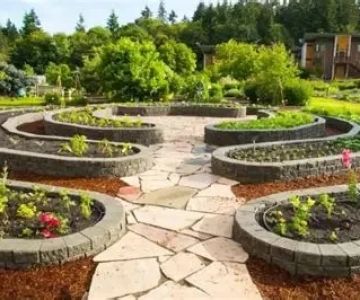
6.2 Berms and Raised Planters
Raised planting beds or earthen berms act as natural barriers, elevating greenery for better sightline obstruction and adding topographical interest.
7. Water Features and Other Natural Barriers
Beyond plants and structures, water features and natural materials enhance privacy and ambiance.
7.1 Fountains and Water Walls
Water features like fountains and waterfalls create sound masking while contributing to a tranquil environment, offering privacy through auditory elements.
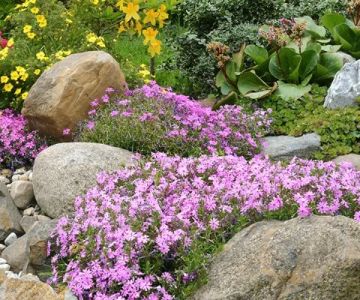
7.2 Rock Gardens and Boulders
Strategically placed rocks, boulders, or stone walls complement plantings while providing partial visual barriers, especially along boundaries or pathways.
8. Maintaining Privacy Through Seasonal Planting
Consider seasonal changes to maintain year-round privacy.
8.1 Evergreen and Deciduous Mix
Combine evergreens with deciduous plants to ensure foliage cover throughout the year while benefiting from seasonal colors and textures.
8.2 Seasonal Flowering Plants
Add flowering plants in spring and summer to enhance visual appeal and attract pollinators, maintaining privacy while keeping the yard lively and dynamic.
9. Personalized Landscape Design Tips
Customize your landscape based on your space, preferences, and privacy needs.
9.1 Evaluate Sightlines
Assess viewpoints from neighboring properties and street access to determine strategic placement of plants and structures for maximum privacy.
9.2 Balance Privacy with Openness
Ensure that privacy measures do not overly enclose the space. Maintain a balance between secluded areas and open zones for a welcoming, airy environment.
10. Resources and Recommendations
For more guidance on privacy landscaping, visit Beautiful Landscapes. Explore product recommendations, plant guides, and professional advice to create a secluded, aesthetically pleasing outdoor retreat tailored to your property.
 G&A asphalt5.0 (3 reviews)
 C&G LANDSCAPING LLC0.0 (0 reviews)
 Murphy-Hansen Landscape5.0 (1 reviews)
 Affordable Lawn-Landscaping Inc.4.0 (115 reviews)
 Loof's Landscaping LLC4.0 (18 reviews)
 Ware Landscaping & Snow Removal5.0 (8 reviews)
 How to Use Decorative Gravel & Stone Finishes for Stunning Landscapes
 How to Build a Compost Area That Looks Attractive
 How to Use Garden Art to Add Personality to Your Outdoor Space
 How to Landscape Using Modular or Prefabricated Elements
 How to Incorporate Pathway Lighting for Safety and Style
 How to Create Multi-Level Garden Zones With Purpose