
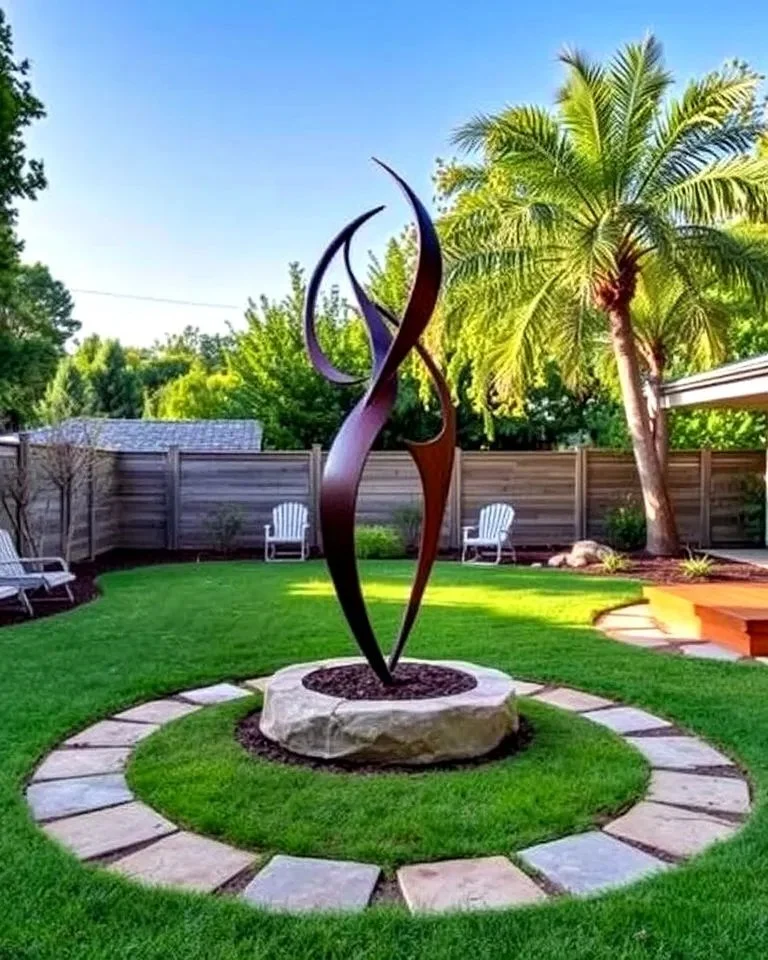
- 1-Importance of Outdoor Art in Landscape
- 2-Choosing the Right Sculptures
- 3-Materials and Durability Considerations
- 4-Placement Strategies for Visual Impact
- 5-Balancing Proportions and Scale
- 6-Creating Focal Points and Themes
- 7-Maintenance and Care Tips
- 8-Examples of Successful Landscape Art
- 9-Resources for Acquiring Outdoor Art
1. Importance of Outdoor Art in Landscape
Outdoor sculptures and art transform a garden or yard into a visually engaging space. Beyond decoration, art pieces add personality, create conversation areas, and guide the eye through the landscape. Integrating sculptures thoughtfully enhances aesthetic appeal and complements natural surroundings.

2. Choosing the Right Sculptures
Selecting sculptures that resonate with your personal style and garden theme is essential. Consider abstract versus realistic designs, traditional versus contemporary pieces, and the overall mood you wish to convey. A cohesive selection strengthens the visual narrative of your outdoor space.
Joe's Landscaping-Rockford
RockfordWinnebago CountyIllinois
1100 S Pierpont Ave, Rockford, IL 61102, USA
3. Materials and Durability Considerations
Outdoor sculptures must withstand weather and environmental conditions. Popular materials include bronze, stone, treated wood, and resin. Choosing durable materials ensures longevity and reduces maintenance, keeping your landscape looking beautiful year-round.
4. Placement Strategies for Visual Impact
Proper placement amplifies the impact of your sculptures. Position pieces along pathways, near seating areas, or at the end of garden views to draw attention. Consider sightlines and natural light to highlight textures and shadows, enhancing visual depth.
5. Balancing Proportions and Scale
Scale matters when integrating sculptures. Large pieces suit open spaces, while smaller sculptures work best in intimate garden corners. Balance proportions with surrounding plants, trees, and structures to maintain harmony and avoid visual clutter.
6. Creating Focal Points and Themes
Art can define focal points in your landscape, guiding visitors’ attention. Grouping sculptures or coordinating with water features, seating areas, or flowering beds creates themed sections. Strategic focal points enrich the overall experience and cohesion of your garden design.
7. Maintenance and Care Tips
Regular maintenance ensures sculptures remain attractive and intact. Clean materials according to manufacturer guidelines, check for damage, and apply protective coatings when necessary. Proper care preserves both aesthetic and structural integrity over time.
8. Examples of Successful Landscape Art
Successful installations include a bronze statue at the center of a formal garden, minimalist stone sculptures along a pathway, or colorful resin pieces near patios. These examples demonstrate how thoughtful selection and placement enhance ambiance and personal expression.
9. Resources for Acquiring Outdoor Art
For guidance and the best outdoor art pieces, visit Beautiful Landscapes. They provide curated options, expert placement advice, and installation support to help you create a visually stunning and harmonious landscape with sculptures and art.
 Larry & Sons Landscaping5.0 (28 reviews)
 Lawn & Landscaping Espinoza LLC5.0 (16 reviews)
 First Responders Outdoor Services LLC5.0 (7 reviews)
 Bellas Landscaping4.0 (118 reviews)
 Ricco's Repair Service4.0 (149 reviews)
 Schultz Lawn Care4.0 (432 reviews)
 How to Plant Groundcovers For Erosion Control
 How to Landscape a Small Urban Backyard: Tips and Ideas
 How to Grow Herbs and Vegetables in Limited Space
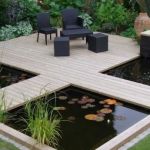 How to Integrate a Garden Pond Into a Modern Landscape
 How to Design a Sensory Garden: Enhancing Smell, Touch, and Sound
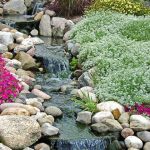 Best Ground Covers for Slopes & Erosion Control: Affordable and Effective Solutions