
- 1-Why-Small-Space-Gardening-Is-Becoming-More-Popular
- 2-Choosing-the-Right-Herbs-and-Vegetables-for-Limited-Spaces
- 3-Smart-Growing-Methods-for-Herbs-and-Vegetables-in-Tight-Areas
- 4-Daily-Care-Tips-to-Keep-a-Compact-Garden-Thriving
- 5-A-Real-Life-Story-of-a-Successful-Small-Space-Garden
1. Why Small Space Gardening Is Becoming More Popular
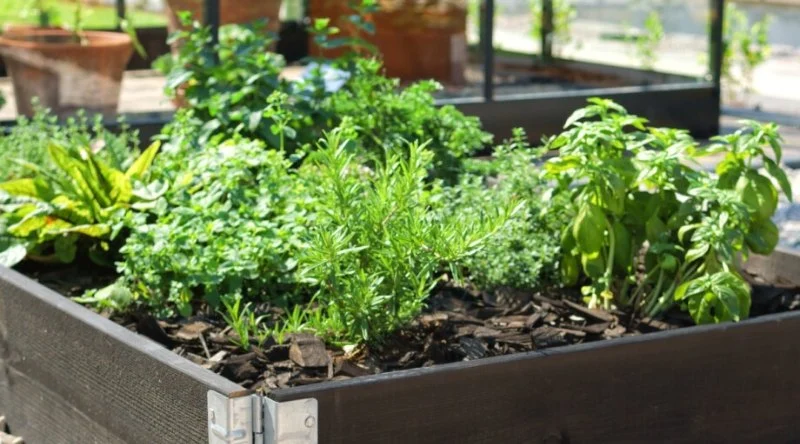
In many American cities, outdoor space can be limited. Apartments, condos, and townhomes often provide only a balcony, small patio, or windowsill for gardening. Despite these constraints, interest in growing fresh herbs and vegetables at home has increased dramatically in recent years. Learning how to grow herbs and vegetables in limited space allows people to enjoy gardening while living in urban environments.

Berger Hargis Landscape Management
IndianapolisMarion CountyIndiana
1740 S High School Rd, Indianapolis, IN 46241, USA
1.1 The growing popularity of urban gardening
Urban gardening has become a trend not only because of space limitations but also because people want access to fresh, homegrown food. Even a small container garden can produce flavorful herbs and vegetables that enhance daily meals.
1.2 Health and sustainability benefits
Growing herbs and vegetables at home encourages healthier eating habits and reduces reliance on packaged produce. Many gardeners also enjoy the sustainability aspect, as growing food locally reduces transportation and packaging waste.
1.3 A relaxing hobby for busy lifestyles
Many city residents discover that tending a small garden helps relieve stress. Spending a few minutes watering plants or harvesting herbs can become a peaceful part of the day.
2. Choosing the Right Herbs and Vegetables for Limited Spaces
The first step to successful small space gardening is selecting plants that thrive in containers and compact environments.
2.1 Herbs that grow well in small containers
1. Basil
Basil grows quickly and thrives in pots with good sunlight. It is one of the easiest herbs for beginners.
2. Mint
Mint is highly adaptable and grows vigorously in containers, making it perfect for balconies and windowsills.
3. Parsley and cilantro
These herbs require minimal space and provide fresh flavor for many home recipes.
2.2 Vegetables suited for compact gardens
1. Cherry tomatoes
Cherry tomato plants grow well in pots and produce generous harvests in small areas.
2. Lettuce and leafy greens
Leafy vegetables grow quickly and can be harvested repeatedly.
3. Peppers
Many pepper varieties adapt well to container gardening.
Gardeners looking for inspiration for compact gardens often explore landscaping and gardening ideas through Beautiful Landscapes, where creative planting designs and container garden concepts can help transform even the smallest outdoor spaces.
3. Smart Growing Methods for Herbs and Vegetables in Tight Areas
When space is limited, creative growing techniques can significantly increase productivity.
3.1 Container gardening
1. Choosing the right containers
Pots, wooden boxes, and recycled containers can all serve as planters. Good drainage is essential to prevent root rot.
2. Using quality soil
High-quality potting soil provides essential nutrients for healthy plant growth.
3.2 Vertical gardening solutions
1. Wall planters
Vertical wall planters allow herbs to grow upward rather than spreading across limited floor space.
2. Hanging baskets
Hanging baskets are ideal for herbs like thyme and oregano.
3.3 Multi-level plant arrangements
Stacked shelves or tiered plant stands allow gardeners to grow several plants in a small footprint while ensuring each plant receives adequate sunlight.
4. Daily Care Tips to Keep a Compact Garden Thriving
Even small gardens require regular care to remain healthy and productive.
4.1 Managing sunlight exposure
1. Understanding sunlight needs
Most herbs and vegetables require at least six hours of sunlight per day.
2. Rotating containers
Rotating pots occasionally ensures plants grow evenly.
4.2 Proper watering techniques
1. Avoiding overwatering
Too much water can damage roots, especially in container gardens.
2. Checking soil moisture
Testing soil moisture before watering helps maintain the right balance.
4.3 Regular harvesting
Frequent harvesting encourages herbs and vegetables to continue producing fresh growth.
5. A Real Life Story of a Successful Small Space Garden
A young professional living in Seattle once shared her journey of turning a tiny apartment balcony into a productive herb and vegetable garden. With only a few square feet available, she installed vertical planters and placed small containers along the railing.
5.1 The challenges she faced
1. Limited sunlight
Her balcony received sunlight only during part of the day.
2. Minimal floor space
She needed to grow multiple plants without overcrowding the area.
5.2 Creative solutions that worked
1. Using vertical planters
This allowed her to grow herbs such as basil, mint, and thyme in stacked arrangements.
2. Selecting compact vegetable varieties
Cherry tomatoes and lettuce proved to be ideal for her small garden.
5.3 The rewarding results
Within a few months, she was harvesting fresh herbs for cooking and sharing gardening tips with friends. Her story demonstrates that learning how to grow herbs and vegetables in limited space can transform even the smallest living areas into productive gardens.
5.4 Continuing to explore small garden ideas
Many urban gardeners continue to discover creative ways to grow food at home by exploring design inspiration and gardening concepts through Beautiful Landscapes, where thoughtful landscaping ideas help maximize the beauty and productivity of small spaces.
With the right plant choices, smart gardening techniques, and consistent care, anyone can create a thriving herb and vegetable garden—even in the smallest spaces.


 Scenic Outdoorscapes3.0 (2 reviews)
 D&L Preservation Solutions5.0 (2 reviews)
 Cornerstone Partners Horticultural Services Company4.0 (34 reviews)
 AI Lumins Indoor/Outdoor Lighting5.0 (11 reviews)
 Threeboyslandscaping5.0 (3 reviews)
 Quality Lawn Care by Nick Mayes4.0 (89 reviews)
 How to Design for Low Maintenance in Coastal Climates
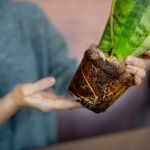 How to Recover From Overwatering & Root Rot
 How to Landscape With Textured Leaves for Visual Interest
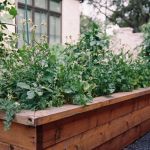 How to Use Planters to Extend Planting Zones and Grow More Plants
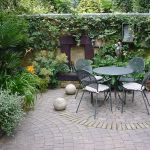 How to Create a Courtyard Garden With Limited Space
 How to Revive Dead Grass: A Complete Step-by-Step Guide to Lawn Care