
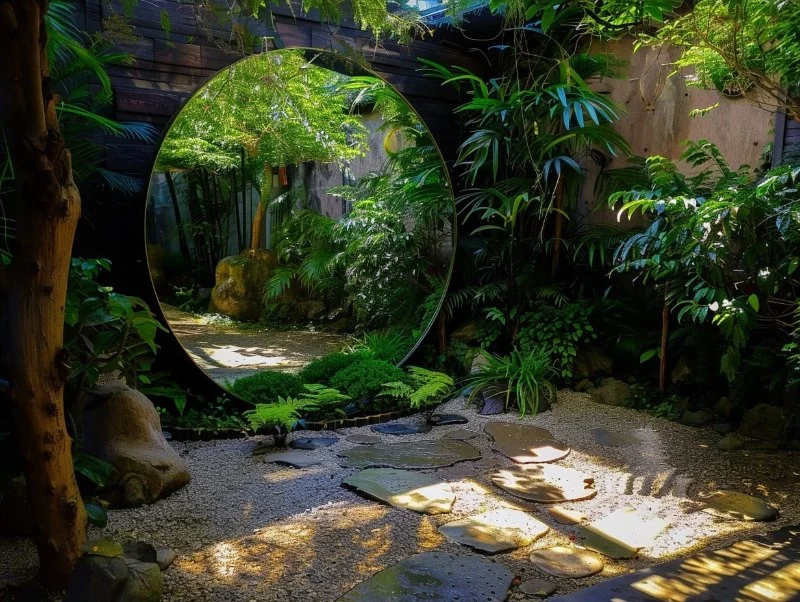
- -1-Enhancing-Depth-with-Mirrors
- -2-Strategic-Placement-of-Reflective-Surfaces
- -3-Using-Water-and-Reflections-for-Visual-Impact
- -4-Creating-Focal-Points-and-Visual-Interest
- -5-Integrating-Mirrors-with-Plantings-and-Hardscape
- -6-Professional-Insights-and-Beautiful-Landscapes-Resources
1. Enhancing Depth with Mirrors
Mirrors are a versatile tool in landscape design, creating the illusion of depth and expanded space in small gardens or narrow courtyards. By reflecting the surrounding greenery or sky, mirrors make outdoor areas feel larger and more inviting.
For instance, in a small urban backyard, installing a vertical mirror along the fence line doubled the perceived space, while also reflecting sunlight into darker areas.
2. Strategic Placement of Reflective Surfaces
Placement is key to achieving the desired effect. Position mirrors to capture appealing views, such as flowering trees, decorative sculptures, or colorful plantings. Avoid reflecting less attractive areas like utility sheds or fences.
Designer Emma Rodriguez emphasizes aligning mirrors at natural sightlines to highlight garden features, creating visual continuity that draws the eye seamlessly through the space.
3. Using Water and Reflections for Visual Impact
Water features, such as ponds or small fountains, naturally reflect light and surrounding landscapes. Combining mirrors with water can intensify reflections, enhancing tranquility and aesthetic appeal. Floating mirrors on calm water surfaces create striking visual effects, especially in evening light.
4. Creating Focal Points and Visual Interest
Mirrors can act as focal points themselves or amplify existing focal elements like sculptures or topiaries. By reflecting key design features, they create layers of interest that encourage exploration and engagement with the space.
In a garden renovation project, a circular mirror framed by lavender bushes became a central feature, capturing and reflecting seasonal blooms, delighting visitors with dynamic visual changes throughout the year.
5. Integrating Mirrors with Plantings and Hardscape
Effective design integrates mirrors seamlessly with plantings and hardscape elements. For example, mirrors can be nestled among climbing vines, stone walls, or trellises to appear naturally embedded in the landscape. Choosing durable materials ensures longevity and weather resistance.
Consider combining mirrored panels with contrasting textures, like rough stone and soft foliage, to create balance and sophistication in outdoor spaces.
6. Professional Insights and Beautiful Landscapes Resources
Expert guidance enhances the creative use of mirrors in landscaping. Platforms like Beautiful Landscapes provide design inspiration, product recommendations, and professional tips for implementing reflective surfaces effectively. Leveraging these resources ensures a harmonious blend of function, aesthetics, and durability in garden design.
By following the strategies outlined and consulting professional resources, homeowners can transform ordinary outdoor spaces into visually stunning landscapes with depth, light, and dynamic interest.
 Larry & Sons Landscaping5.0 (28 reviews)
 Lawn & Landscaping Espinoza LLC5.0 (16 reviews)
 First Responders Outdoor Services LLC5.0 (7 reviews)
 Bellas Landscaping4.0 (118 reviews)
 Ricco's Repair Service4.0 (149 reviews)
 Schultz Lawn Care4.0 (432 reviews)
 How to Plant Groundcovers For Erosion Control
 How to Landscape a Small Urban Backyard: Tips and Ideas
 How to Grow Herbs and Vegetables in Limited Space
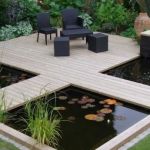 How to Integrate a Garden Pond Into a Modern Landscape
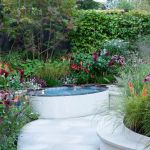 How to Design a Sensory Garden: Enhancing Smell, Touch, and Sound
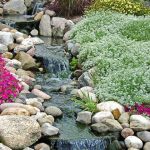 Best Ground Covers for Slopes & Erosion Control: Affordable and Effective Solutions