
Practical Tips for Using Groundcovers as a Living Mulch
- 1-Understanding-Living-Mulch-and-Groundcovers
- 2-Selecting-the-Right-Groundcovers
- 3-Planting-and-Maintenance-Techniques
- 4-Benefits-of-Living-Mulch
- 5-Integrating-Into-Landscapes
1. Understanding Living Mulch and Groundcovers
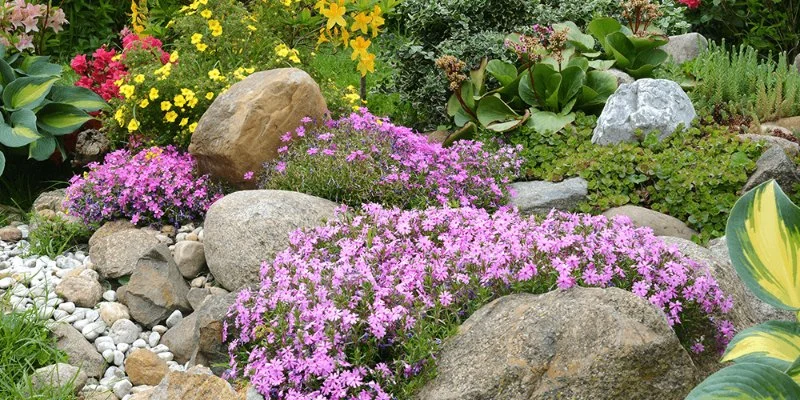
Groundcovers can serve as a living mulch, providing a natural barrier that protects soil, retains moisture, and suppresses weed growth. Unlike traditional mulches, living mulch actively grows and contributes to soil health, creating a vibrant and sustainable garden environment.
Understanding the difference between groundcovers and traditional mulch helps gardeners choose the best approach for specific garden areas and plant types.

Mr. B's Landscape Const.
CartervilleWilliamson CountyIllinois
11985 Hafer Rd, Carterville, IL 62918, USA
2. Selecting the Right Groundcovers
Choosing the appropriate groundcover is crucial. Consider factors such as growth rate, shade tolerance, soil type, and local climate. Low-growing perennials like creeping thyme, sedum, or ajuga work well for ornamental areas, while clover or vetch can enhance nitrogen content in vegetable gardens.
For example, using clover as a living mulch in a vegetable patch not only suppresses weeds but also enriches the soil with nutrients, promoting healthier crops without synthetic fertilizers.
Grasshopper Lawncare
SturgisSt. Joseph CountyMichigan
66345 North Lakeview Ave, Sturgis, MI 49091, USA
3. Planting and Maintenance Techniques
Proper planting ensures optimal coverage and effectiveness. Space plants according to growth habits to form a dense mat that covers the soil quickly. Regular pruning or mowing may be necessary to prevent overgrowth and maintain aesthetic appeal.
Watering initially helps establish the groundcovers, but once mature, most living mulches require minimal irrigation, making them low-maintenance and cost-effective.
4. Benefits of Living Mulch
Using groundcovers as a living mulch offers multiple advantages. It reduces soil erosion, improves moisture retention, enhances biodiversity, and naturally controls weeds. Additionally, it provides an attractive, green carpet that complements garden plants and landscape design.
Gardeners have reported increased soil fertility and healthier plants when using nitrogen-fixing groundcovers, demonstrating tangible environmental and gardening benefits.
5. Integrating Into Landscapes
Living mulch can be seamlessly incorporated into flower beds, vegetable gardens, or between pathways. Strategic placement enhances garden aesthetics while ensuring functional benefits. Combining different groundcovers can create texture, color, and ecological variety.
For more guidance, plant selections, and tools to implement living mulches effectively, Beautiful Landscapes provides resources and expert advice for creating sustainable, thriving gardens.

 Triple Green Lawn Care5.0 (1 reviews)
 McCluskey Services4.0 (13 reviews)
 All Pro Lawn & Landscape5.0 (1 reviews)
 Pro Turf & Pro Pest Solutions - Davenport4.0 (141 reviews)
 Herrera Landscaping & Design Inc.1.0 (1 reviews)
 RR Land Construction5.0 (3 reviews)
 How to Use Lighting to Highlight Trees and Focal Plants
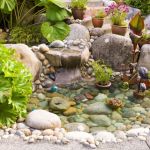 How to Incorporate Water Features Without Overpowering Your Landscape
 How to Incorporate Pathway Lighting for Safety and Style
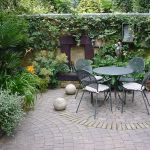 How to Create a Courtyard Garden With Limited Space
 Best Drought-Tolerant Plants for Your Region
 How to Protect Plants From Frost & Freeze Damage - Essential Tips for Gardeners