
- 1-Benefits-of-Phased-Garden-Planning
- 2-Assessing-Your-Garden-Space-and-Needs
- 3-Creating-a-Phased-Garden-Design
- 4-Budgeting-for-Each-Phase
- 5-Selecting-Plants-and-Materials-Strategically
- 6-Real-Life-Examples-of-Phased-Gardens
- 7-Tips-for-Implementing-Phases-Effectively
- 8-How-Beautiful-Landscapes-Can-Help
1. Benefits of Phased Garden Planning
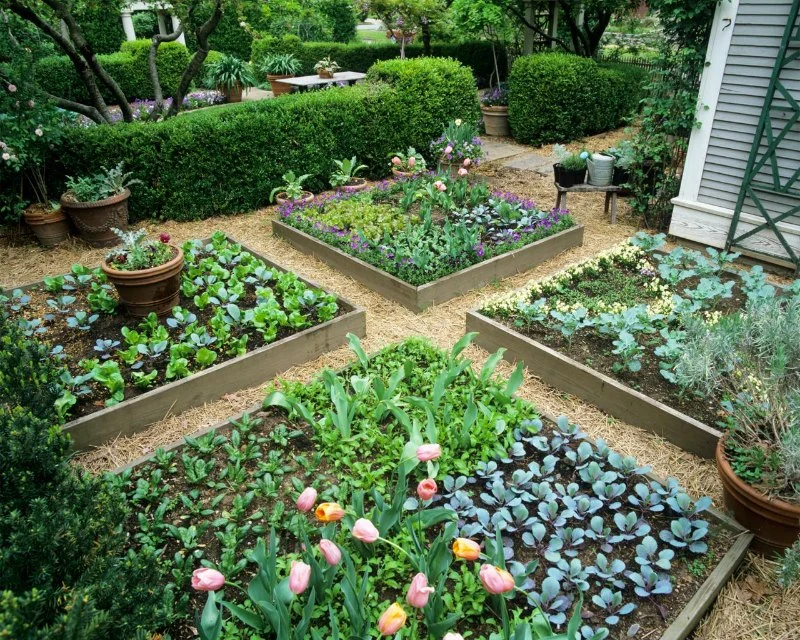
Planning a garden in phases allows homeowners to manage costs, experiment with design elements, and gradually create a lush, functional outdoor space. Key benefits include:
- Spreading expenses over multiple seasons or years
- Allowing flexibility to adjust designs based on plant growth and landscape needs
- Providing opportunities to test soil, sunlight, and microclimates for optimal plant selection
- Reducing overwhelm by focusing on one area at a time
2. Assessing Your Garden Space and Needs
Before implementing phases, evaluate your garden area to understand priorities and constraints:
- Measure available space and note soil types and sun exposure
- Identify high-use zones, such as seating areas, vegetable beds, or pathways
- Consider existing features like trees, fences, or water elements
- Determine your goals—whether for aesthetic appeal, vegetable production, or wildlife support
3. Creating a Phased Garden Design
Breaking down your garden plan into phases involves prioritizing areas for initial development while leaving room for future expansion:
- Phase 1: Core structures, hardscaping, and essential plantings
- Phase 2: Additional flower beds, ornamental shrubs, and water features
- Phase 3: Seasonal plant rotations, small-scale additions, or specialty gardens
- Phase 4: Optional enhancements like pergolas, seating, and decorative elements
Visualization tools, sketches, or software can help map each phase for better budgeting and execution.

Barber Contracting Inc.
810 S Martin Luther King Jr Blvd, Muncie, IN 47303, USA
4. Budgeting for Each Phase
Allocating budget per phase ensures financial control and achievable milestones:
- Estimate material costs including soil, mulch, fencing, and decorative elements
- Include plant costs with consideration for perennials versus annuals
- Plan for labor or professional landscaping if needed
- Set aside contingency funds for unexpected expenses or plant replacements
Example: A homeowner allocated $2,000 for phase 1 with hardscaping and foundational plants, then $1,500 for phase 2 ornamental additions, spreading total garden costs over two years.
5. Selecting Plants and Materials Strategically
Strategic selection enhances phased planning:
- Start with versatile, low-maintenance plants in early phases
- Incorporate perennials that provide long-term impact without replacement costs
- Prioritize materials that withstand weather and require minimal upkeep
- Consider native plants to reduce irrigation and fertilizer expenses
6. Real-Life Examples of Phased Gardens
Practical examples illustrate phased planning:
- A family in Seattle began with a vegetable plot and basic pathways, adding flowering shrubs and a patio in subsequent years.
- In Austin, a homeowner planted foundational trees and hedges first, followed by seasonal flowers and decorative lighting in later phases.
- Residents in Chicago used phased installation to incorporate a water feature and seating areas gradually, balancing budget constraints with aesthetic goals.
7. Tips for Implementing Phases Effectively
- Document each phase with notes, measurements, and plant selections
- Monitor plant growth and adapt later phases accordingly
- Schedule work during favorable weather conditions to reduce stress on plants
- Engage local suppliers or landscape professionals for guidance and bulk pricing
- Maintain flexibility to incorporate new ideas or seasonal opportunities
8. How Beautiful Landscapes Can Help
Beautiful Landscapes provides expert guidance for phased garden planning, including:
- Customized garden layouts to optimize space, sunlight, and aesthetics
- Step-by-step phasing strategies aligned with budget and seasonal priorities
- Plant recommendations based on soil, climate, and growth patterns
- Advice on materials, hardscaping, and decorative elements for each phase
Leveraging Beautiful Landscapes’ resources allows homeowners to plan gardens efficiently, spread costs over time, and enjoy a beautifully evolving outdoor space that meets both functional and aesthetic goals.
 Collins Lawn Care5.0 (8 reviews)
 Tecza Landscape Group3.0 (25 reviews)
 TruGreen Lawn Care4.0 (351 reviews)
 CJS Lawn & Landscaping4.0 (71 reviews)
 Royal Green Sod Farm5.0 (18 reviews)
 Roe Nurseries, Inc.4.0 (16 reviews)
 Best Ways to Stage Your Front Yard for Curb Appeal
 How to Create a Low-Water Turf Alternative | Beautiful Landscapes
 How to Reduce Maintenance with Smart Plant Grouping
 How to Use Container Planting in Small Spaces
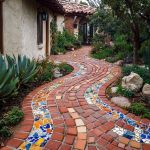 How to Maintain Stone and Brick Pathways Effectively
 How to Predict Plant Growth & Spread in 5 Years