
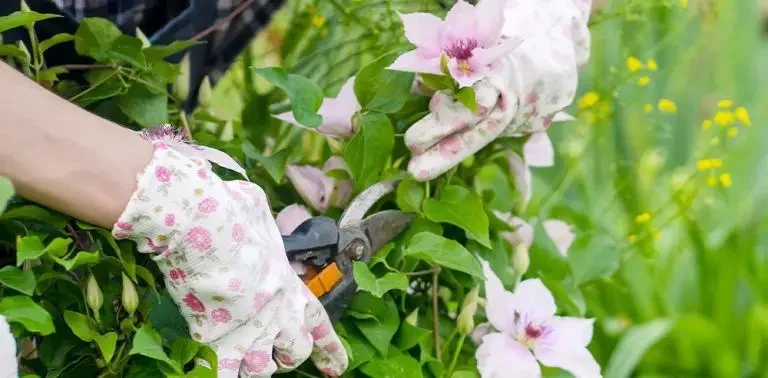
How to Prune Without Damaging Your Plants
- 1. Why Pruning Is Essential for Plant Health
- 2. Best Time to Prune Your Plants
- 3. Tools You Need for Safe and Effective Pruning
- 4. Step-by-Step Guide to Pruning Plants Correctly
- 5. Common Mistakes to Avoid When Pruning
- 6. Case Study: How Proper Pruning Revitalized a Dying Plant
1. Why Pruning Is Essential for Plant Health
Pruning is an important gardening practice that helps maintain the overall health and appearance of plants. Whether you're caring for shrubs, trees, or flowering plants, pruning can help improve growth, prevent disease, and enhance the plant's aesthetic appeal. By removing dead, diseased, or overgrown branches, you allow the plant to focus its energy on healthy growth, ensuring it thrives in the long run.
Proper pruning also improves air circulation, which is crucial for preventing fungal infections. It also encourages new growth and can increase flowering and fruit production. However, improper pruning can cause significant damage to your plants, leading to stress, disease, or stunted growth. It’s important to know the right techniques and timing to prune effectively.
Broadview Landscaping & Nursery, Inc.
13206 Tonkel Rd, Fort Wayne, IN 46845, USA
2. Best Time to Prune Your Plants
The timing of pruning plays a critical role in the success of the process. Pruning at the wrong time can harm the plant or reduce its ability to recover. Generally, the best time to prune most plants is during their dormant season, typically late winter or early spring, before new growth begins. Pruning during this time allows the plant to heal more effectively and reduces the risk of disease.
For flowering plants, it’s essential to consider whether they bloom on old wood (previous year’s growth) or new wood (current season’s growth). Plants that bloom on old wood should be pruned after they flower, while those that bloom on new wood can be pruned in late winter.
It’s also crucial to avoid pruning during periods of extreme weather, such as during heat waves or frost, as this can stress the plant and lead to poor recovery.

Kitz & Pfeil Power Center - Oshkosh
OshkoshWinnebago CountyWisconsin
451 N Main St, Oshkosh, WI 54901, USA
3. Tools You Need for Safe and Effective Pruning
Using the right tools is essential to ensure you prune without damaging your plants. Below are some basic tools you should have in your gardening toolkit:
- Pruning Shears: These are ideal for cutting smaller branches and stems up to ¾ inch in diameter. Make sure they are sharp and clean to make precise cuts without crushing the plant tissue.
- Loppers: For thicker branches (1-2 inches in diameter), loppers with long handles will provide the leverage needed for clean cuts.
- Pruning Saws: For larger branches, a pruning saw will give you the power to cut through thick wood without damaging the plant.
- Gloves: Wear gloves to protect your hands from thorns, rough bark, or other sharp objects while pruning.
Always disinfect your tools before and after use to prevent the spread of diseases from plant to plant. A simple solution of rubbing alcohol or diluted bleach can be used for cleaning.
4. Step-by-Step Guide to Pruning Plants Correctly
Now that you have the right tools and know when to prune, follow this step-by-step guide to ensure you prune your plants effectively:
- Assess the Plant: Before making any cuts, take a moment to assess the plant's overall health and growth. Identify dead, damaged, or diseased branches that should be removed first.
- Make Clean Cuts: When removing a branch, make sure your cuts are clean and sharp. Cut at a 45-degree angle to prevent water from collecting on the cut surface, which could lead to rot.
- Cut at the Right Spot: Always prune back to a healthy bud, lateral branch, or stem. Never leave stubs, as they can become entry points for pests and disease.
- Remove No More Than 1/3: Avoid cutting away more than one-third of the plant at a time. Removing too much foliage can shock the plant and hinder its growth.
- Thin Out Overgrowth: For plants with dense growth, selectively remove branches to open up the canopy and improve air circulation. This will help reduce the risk of fungal infections.
By following these steps, you’ll help ensure that your plant is pruned without unnecessary damage, leading to healthier, more vibrant growth.
5. Common Mistakes to Avoid When Pruning
While pruning is a great way to keep your plants healthy, there are several common mistakes to avoid that could harm your plants:
- Over-Pruning: Cutting away too much foliage can leave your plant vulnerable to stress and disease. Always follow the rule of removing no more than one-third of the plant at a time.
- Pruning Too Late: Pruning at the wrong time can interrupt the plant’s growth cycle. Always prune during the recommended season for the type of plant you’re working with.
- Improper Cuts: Jagged or incomplete cuts can damage plant tissue and encourage disease. Use sharp, clean tools for smooth, accurate cuts.
- Ignoring Disease: Always inspect your plants for signs of disease before pruning. If you prune infected branches, you could spread the disease to healthy parts of the plant.
6. Case Study: How Proper Pruning Revitalized a Dying Plant
Take the case of a homeowner, Sarah, who noticed her rose bush was becoming leggy and had fewer blooms each season. She decided to try pruning her plant, but she was concerned about causing more harm than good. After following the correct pruning techniques, removing dead wood, and thinning out the plant, Sarah saw a significant improvement. Within weeks, her rose bush began to produce lush, healthy leaves and more vibrant flowers than ever before.
This story illustrates how proper pruning can breathe new life into a plant, allowing it to thrive once more. With the right techniques and a bit of patience, any gardener can achieve similar results.




 G&G Landscape,LLC4.0 (8 reviews)
 VIRIDIS Design Group0.0 (0 reviews)
 Sebert Landscape4.0 (15 reviews)
 Driscoll Lawn Care5.0 (9 reviews)
 INEX service's LLC5.0 (1 reviews)
 Eastside Landscape Supplies, L.L.C.4.0 (28 reviews)
 How to Protect Plants During Heat Waves
 How to Plan Outdoor Fire & Water Features Harmoniously for Your Garden
 7 Steps to Create a Pollinator Garden That Attracts Bees & Butterflies
 How to Convert a Lawn Into a Wildflower Meadow
 How to Grow Groundcovers That Replace Traditional Lawns
 How to Use Outdoor Mirrors to Create Illusions of Space