
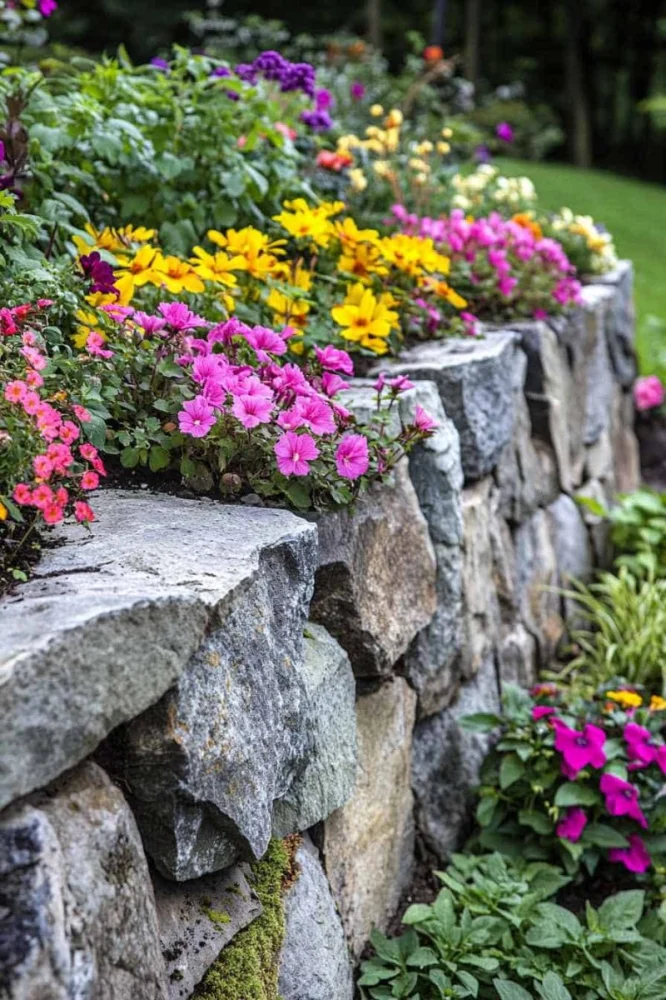
1. Understanding Retaining Walls in Garden Design
Retaining walls are structural elements used to hold back soil, preventing erosion and creating flat surfaces in sloped areas. In garden design, retaining walls serve a dual purpose—they provide functionality by stabilizing soil and preventing landslides, while also adding aesthetic value to your outdoor space. These walls are often used to create tiered gardens, enhance the landscape’s visual appeal, and even define different sections of a garden.
Not only do retaining walls help manage changes in elevation, but they also create opportunities for creative landscaping. Whether you're dealing with a sloped backyard or aiming to add some drama to your garden design, retaining walls offer versatile solutions that can enhance both the look and the function of your garden.

B & J Tree & Landscape Service
Lake GenevaWalworth CountyWisconsin
W2795 Krueger Rd, Lake Geneva, WI 53147, USA
2. Benefits of Using Retaining Walls in Your Garden
Retaining walls provide several advantages that make them a valuable addition to any garden. From improving drainage to enhancing the overall aesthetic of your space, here are some key benefits:

2.1 Erosion Control
In gardens located on slopes, soil erosion can become a major problem. Retaining walls help to hold soil in place, preventing it from washing away during heavy rain. By stabilizing the soil, these walls protect your garden beds and prevent landscaping materials from moving.
2.2 Creating Different Levels
Retaining walls allow you to create multiple levels or terraces within your garden. This can help transform a flat or sloped yard into a visually dynamic and functional space. Raised garden beds or seating areas can be easily integrated into these levels, adding dimension to your landscape.
2.3 Improving Drainage
Retaining walls can also be designed to improve water drainage, especially in areas with heavy rainfall. When properly built, these walls allow for water to flow through gaps or drainage systems, reducing waterlogging and ensuring your plants stay healthy.
2.4 Aesthetic Appeal
In addition to their practical benefits, retaining walls can also serve as striking design features in your garden. With various materials such as stone, brick, wood, and concrete to choose from, retaining walls can be customized to match the style of your garden, whether it's modern, rustic, or traditional.
3. Creative Ways to Incorporate Retaining Walls Into Your Garden
Retaining walls are not just functional—they can also be used creatively to enhance your garden's design. Here are some innovative ways to incorporate retaining walls into your garden:
3.1 Tiered Garden Beds
One of the most popular uses of retaining walls is creating tiered garden beds. By dividing your garden into multiple levels, you can plant a variety of flowers, vegetables, or shrubs at different elevations, maximizing the use of space and creating a visually appealing display.
3.2 Raised Patio or Seating Area
Retaining walls can also be used to create a raised patio or seating area in your garden. This feature adds a cozy, elevated space for dining or relaxing while also providing a unique perspective of your garden. Whether you choose stone or wood, a raised seating area can become a focal point in your outdoor living space.
3.3 Border and Pathway Edging
Use retaining walls to define borders or edge pathways in your garden. Small, low retaining walls can be placed along garden paths, walkways, or flowerbeds, creating a clean, organized look while preventing soil from spilling onto your walkways.
3.4 Water Features
Incorporating a water feature, like a small pond or fountain, into your retaining wall can be a beautiful addition to your garden. By using a retaining wall to create a base for a water feature, you can add a tranquil sound element to your garden while maintaining its visual appeal.
4. Real-Life Garden Projects with Retaining Walls
Here are some real-life examples of how homeowners have creatively used retaining walls to enhance their garden designs:
- Case 1: A Sloped Backyard Transformed – A family in Louisville used retaining walls to transform their sloped backyard into a multi-tiered garden. By adding raised beds and a seating area, they were able to create a functional yet visually stunning garden that provided both space for growing vegetables and a relaxing area for family gatherings.
- Case 2: Waterfall and Pond Feature – In another garden project, a homeowner used a stone retaining wall to create a beautiful tiered pond and waterfall. The wall helped hold the water feature in place while also adding texture and interest to the garden.
5. Where to Buy Materials for Retaining Walls
If you're considering adding a retaining wall to your garden, it's important to source high-quality materials. Whether you're looking for stone, brick, wood, or other materials, there are plenty of options available. For expert advice and top-quality materials, check out Beautiful Landscapes, which offers a wide range of products to help you build the perfect retaining wall for your garden. From landscaping stones to decorative bricks, you can find everything you need to bring your garden design ideas to life.



 Bloomington Landscape Construction, LLC5.0 (10 reviews)
 INEX service's LLC5.0 (1 reviews)
 Naturescape Lawn and Landscape Care4.0 (51 reviews)
 Lake Michigan Landscapes4.0 (22 reviews)
 TruGreen Lawn Care4.0 (812 reviews)
 Pro Garden Landscaping LLC5.0 (10 reviews)
 How to Landscape for Seasonal Wildlife Attraction in Your Garden
 How to Create a Butterfly Pathway Through Your Garden: A Step-by-Step Guide
 How to Reduce Your Landscape’s Water Usage by 30%
 How to Landscape Using Modular or Prefabricated Elements
 How to Design a Courtyard With Water-Wise Plants
 Planting Trees Near Your Home: What You Need to Know