
- What is Landscape Fabric?
- Benefits of Using Landscape Fabric
- When to Use Landscape Fabric
- When Not to Use Landscape Fabric
- How to Choose the Right Landscape Fabric
- Why Choose Beautiful Landscapes for Your Gardening Needs
What is Landscape Fabric?
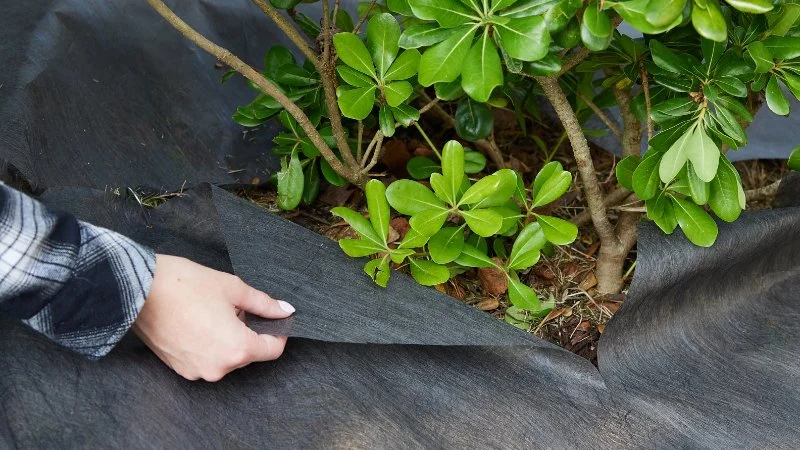
Landscape fabric, also known as weed barrier fabric, is a material designed to be laid down in garden beds, flower beds, or around shrubs and trees to control weed growth. It is made from synthetic fibers or woven natural materials that allow air, water, and nutrients to pass through while preventing the growth of weeds. This fabric is often used in both residential and commercial landscaping to keep areas neat and weed-free.
Monarch Landscaping & Garden Center
SpringfieldSangamon CountyIllinois
4440 Ash Grove Dr a1, Springfield, IL 62711, USA
Benefits of Using Landscape Fabric
Landscape fabric offers several key benefits for gardeners and landscapers, making it a popular choice for many gardening projects:
1. Weed Control
One of the primary reasons to use landscape fabric is to prevent weed growth. Weeds can compete with your plants for nutrients, water, and sunlight, so stopping them early is crucial. Landscape fabric blocks sunlight from reaching weed seeds, thus preventing them from germinating and growing.
2. Improved Soil Moisture
Landscape fabric helps retain moisture in the soil by preventing evaporation. This is especially helpful in dry climates or for plants that require consistent moisture. By retaining moisture, the fabric reduces the need for frequent watering, saving time and effort.
3. Erosion Prevention
In areas where soil erosion is a concern, landscape fabric can help stabilize the soil. It prevents water from washing away soil around your plants, particularly on sloped areas.
4. Aesthetic Appeal
Using landscape fabric can improve the appearance of your garden. By reducing weed growth and ensuring proper soil moisture, plants grow healthier and more vibrantly, leading to a visually appealing garden with fewer maintenance needs.
When to Use Landscape Fabric
While landscape fabric is beneficial in many situations, there are specific instances when it is particularly useful. Below are the scenarios where using landscape fabric is highly recommended:
1. In Flower Beds or Garden Paths
For flower beds and garden paths, landscape fabric helps to control weeds without the need for harsh chemicals. It is especially effective in areas where weeds are difficult to remove or tend to grow back quickly. Simply place the fabric on the soil, cover it with mulch, and enjoy a weed-free garden bed.
2. Around Trees and Shrubs
Landscape fabric is an excellent choice around trees and shrubs to keep weeds away while allowing air and water to reach the roots. It also helps to maintain the soil's temperature, providing a stable environment for plant growth.
3. On Sloped Areas
If you have a sloped yard or garden area, landscape fabric can help prevent soil erosion. The fabric will keep the soil in place, preventing it from washing away during heavy rains and ensuring your plants stay healthy and stable.
When Not to Use Landscape Fabric
While landscape fabric can be incredibly useful, there are certain situations where it’s better not to use it. Consider the following:
1. In Areas with Groundcovers or Vigorous Plants
Landscape fabric is not ideal for areas where you plan to plant groundcovers or plants that spread quickly, such as ivy or creeping thyme. These plants need to spread and root in the soil, and the fabric can restrict their growth. In such cases, it’s better to rely on natural mulch or other methods to control weeds.
2. In Vegetable Gardens
For vegetable gardens, using landscape fabric is not always recommended. While it can control weeds, vegetable plants require flexibility to grow and expand. Fabric may restrict their roots, especially for larger plants. In addition, landscape fabric can make it harder to amend soil or add compost to support plant growth.
3. In Wet or Moist Environments
Landscape fabric may not perform well in areas that are frequently wet or have poor drainage. Over time, fabric can become clogged with debris, reducing its ability to let water pass through. In these environments, it's better to focus on improving drainage or using other weed control methods.
How to Choose the Right Landscape Fabric
Choosing the right landscape fabric depends on several factors, including the area you plan to cover, the type of plants in the garden, and your specific landscaping goals. Here are some tips to help you make the right choice:
1. Fabric Type
Landscape fabric comes in two main types: woven and non-woven. Woven fabric is typically stronger and more durable, making it ideal for larger areas and for long-term weed control. Non-woven fabric is often lighter and more breathable, making it suitable for smaller garden beds or areas with less foot traffic.
2. Permeability
Choose a fabric that has the right balance of permeability—allowing water and air to reach the soil while preventing weed growth. Too much permeability can result in weed growth, while too little can cause drainage issues.
3. Thickness
Thicker fabrics are more durable and long-lasting but may be more difficult to work with. Consider the needs of your garden and choose a fabric that provides the right balance of durability and ease of installation.
Why Choose Beautiful Landscapes for Your Gardening Needs
If you're looking to find the best landscape fabric or need expert advice on gardening and landscaping, visit Beautiful Landscapes. We offer a wide range of high-quality products for your garden, along with professional advice to help you create the perfect landscape. Whether you're looking for landscape fabric, mulch, or other gardening essentials, we provide everything you need for a beautiful and thriving garden.
 H&H Services Incorporated4.0 (7 reviews)
 Best Buds Landscape5.0 (3 reviews)
 Walmart Patio & Garden Services0.0 (0 reviews)
 Nicole Ann Landscapes5.0 (2 reviews)
 Creekside Turf Management, LLC5.0 (103 reviews)
 Solid Rock Landscaping LLC5.0 (35 reviews)
 How to Create a Front Walk That Makes a Great First Impression
 How to Cultivate a Wildflower Meadow at Home: A Step-by-Step Guide
 How to Choose Eco-Friendly Outdoor Flooring Options: Sustainable Choices for Your Garden
 How to Use Stepping Stones to Guide Garden Movement
 How to Build Raised Garden Beds That Last
 How to Build a Pathway That Blends With Nature: A Step-by-Step Guide