
- Why Build a Vertical Herb Wall
- Gathering Materials for Your Herb Wall
- Steps to Build Your Vertical Herb Wall
- Maintaining Your Vertical Herb Wall
- Tips for Using Your Herb Wall in Cooking
Why Build a Vertical Herb Wall
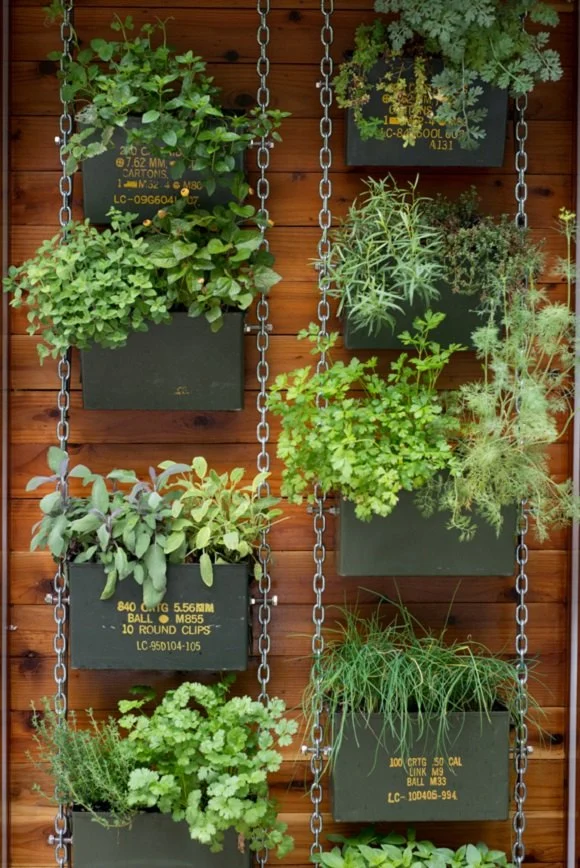
Building a vertical herb wall is an excellent way to bring fresh, flavorful herbs into your kitchen while saving space. Whether you live in a small apartment or have limited outdoor space, a vertical herb garden allows you to grow a wide variety of herbs in a compact area. Not only does it make your cooking more convenient by giving you easy access to fresh ingredients, but it also adds a beautiful, natural element to your home.

Cousins Lawn Maintenance
West ChicagoDuPage CountyIllinois
703 Lincoln Ave, West Chicago, IL 60185, USA
Benefits of Growing Your Own Herbs
Having a vertical herb wall right at your fingertips offers several benefits. Fresh herbs enhance the flavor of your dishes, and growing them yourself ensures they are organic and free of pesticides. It also saves money since you won’t have to buy fresh herbs at the grocery store, and it’s incredibly satisfying to pick your own ingredients for a meal. Plus, a vertical herb wall can serve as an attractive focal point in your kitchen or balcony, bringing a touch of greenery into your living space.

Lammscapes - Landscape Design, Install & Maintenance Services
JacksonWashington CountyWisconsin
2708 Sherman Rd, Jackson, WI 53037, USA
Gathering Materials for Your Herb Wall
To get started with your vertical herb wall, you’ll need a few basic materials. Here’s what you’ll need to gather:
- Vertical structure: You’ll need a sturdy frame or wall structure to attach your herb containers. This can be a wooden pallet, metal frame, or specially designed vertical garden kit.
- Plant containers: Choose containers or pots that can be easily attached to your vertical structure. Options include hanging pots, wall-mounted planters, or stacked crates.
- Soil: Opt for good-quality potting soil that drains well. Make sure it’s suitable for herbs, which generally prefer well-draining, nutrient-rich soil.
- Herb plants or seeds: Select herbs that you use most often in your cooking. Popular choices include basil, thyme, parsley, rosemary, mint, and oregano. You can start with small plants or grow from seeds.
- Tools: You’ll need basic gardening tools like a trowel, watering can, scissors, and any hooks or screws for attaching the containers to the vertical structure.
Steps to Build Your Vertical Herb Wall
Once you’ve gathered all your materials, it’s time to start building your vertical herb wall. Follow these steps to create your own functional and beautiful herb garden:
- Choose the right location: Select a location that gets plenty of sunlight. Most herbs need at least 6 hours of sunlight per day to thrive. If you’re building the wall indoors, make sure it’s near a window or use grow lights.
- Set up your vertical structure: Attach your vertical frame or structure to the wall or place it in a spot that’s easily accessible. If you’re using a pallet, make sure it’s secured firmly to avoid tipping over.
- Install your plant containers: Attach the containers to the structure using hooks, screws, or brackets. Arrange them in a way that ensures each herb gets enough light and airflow. You can leave space between containers or create a stacked effect for a more compact design.
- Fill containers with soil: Add soil to each container, leaving enough room for the plant roots. Use a small shovel or trowel to distribute the soil evenly in the containers.
- Plant your herbs: Gently plant your herbs into the containers, making sure the roots are well-covered. Water them lightly to settle the soil, but avoid overwatering. Space the herbs appropriately to ensure they have room to grow.
Maintaining Your Vertical Herb Wall
Now that your vertical herb wall is set up, it’s important to maintain it to keep your herbs healthy and productive:
- Water regularly: Herbs in containers can dry out quickly, so water them regularly. Ensure that the water drains properly to prevent waterlogged roots, which can lead to rot.
- Prune your herbs: Regularly prune your herbs to encourage new growth and prevent them from becoming too leggy. Trim any dead leaves or stems, and pinch back flower buds to keep the plants focused on producing leaves.
- Fertilize occasionally: Use a balanced, water-soluble fertilizer every few weeks to promote healthy growth. You can also use organic compost or organic liquid fertilizers to avoid chemicals.
- Rotate the containers: If your vertical herb wall is exposed to uneven sunlight, rotate the containers periodically to ensure all plants receive adequate light.
Tips for Using Your Herb Wall in Cooking
Now that your vertical herb wall is up and running, here are some tips for using your fresh herbs in cooking:
1. Pick Fresh Herbs as Needed
One of the best parts of having a vertical herb wall is that you can pick fresh herbs whenever you need them. Simply snip off what you need with kitchen scissors, and use the herbs right away in your cooking.
2. Experiment with New Recipes
With a wide variety of herbs at your fingertips, you can experiment with new recipes that showcase your fresh ingredients. From homemade pesto with basil to thyme-infused roasted vegetables, the possibilities are endless.
3. Preserve Extra Herbs
If you find that you have an abundance of herbs, try preserving them for later use. You can dry them, freeze them, or make herb-infused oils and vinegars to use throughout the year.
If you’re looking for the best products to enhance your herb-growing experience, check out Beautiful Landscapes, where you can find vertical garden kits, planters, and gardening tools to help you create your perfect herb wall.






 Brown Enterprises Landscaping4.0 (10 reviews)
 Cory's Landscaping and Design, LLC1.0 (1 reviews)
 Coulee Region Landscape & Design LLC5.0 (8 reviews)
 Amelon Lawn Care LLC5.0 (3 reviews)
 Ewing Landscape LLC3.0 (2 reviews)
 Madison Green Team4.0 (26 reviews)
 How to Shield Plants From Strong Winds in Your Yard
 How to Choose Outdoor Furniture That Complements Landscape
 How to Reduce Maintenance with Smart Plant Grouping
 How to Plan a Garden for Succession Blooming
 How to Plan an Entryway Garden That Welcomes Guests
 How to Build Garden Steps That Look Natural