
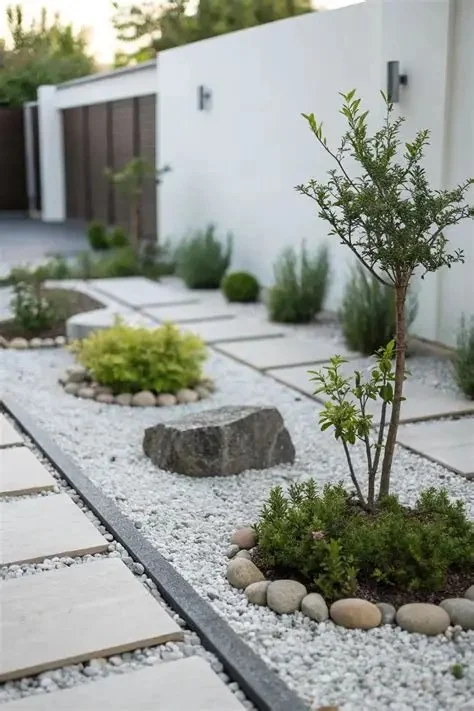
Designing Calm Outdoor Spaces with Gravel Mulch in Modern Minimalist Gardens
- gravel-mulch-basics - Understanding what gravel mulch is and why it fits minimalist design
- modern-minimalist-layouts - How to structure clean, open garden spaces using gravel
- plant-pairing-strategies - Choosing plants that thrive in gravel-based environments
- maintenance-and-durability - Long-term care and sustainability of gravel landscapes
- real-garden-story - Practical example of transforming a cluttered yard into a modern retreat
Gravel Mulch Basics and Why It Defines Modern Landscaping Simplicity
Gravel mulch has quietly become one of the most influential materials in modern landscaping. Unlike traditional organic mulch that decomposes quickly, gravel mulch provides a stable, long-lasting surface layer that enhances drainage while maintaining a clean visual texture. In modern minimalist gardens, where every element is intentional, gravel acts as both a functional and aesthetic foundation.
One of the key reasons designers favor gravel mulch is its ability to eliminate visual clutter. Instead of thick layers of bark or unpredictable soil exposure, gravel creates a uniform surface that allows architectural plants and structural lines to stand out. This design philosophy is especially popular in drought-prone regions, where water conservation is as important as aesthetics.
A homeowner in Arizona shared how replacing traditional grass and bark mulch with gravel transformed her outdoor space into something she described as “a calm extension of my living room.” That emotional shift is a common theme in minimalist landscaping—it’s not just about appearance, but about how a space makes people feel.

Building Modern Minimalist Layouts Using Gravel Mulch
Creating a modern garden layout with gravel mulch begins with spatial clarity. Instead of filling every corner with plants or decorative objects, minimalist design focuses on negative space. Gravel becomes the visual “breathing room” between structured elements like pathways, raised beds, or sculptural plants.
Designers often start by dividing the space into geometric zones—rectangles, long linear pathways, or circular gathering points. Gravel is then used to unify these zones, ensuring consistency across the entire landscape. This approach is especially effective in small urban gardens where visual openness is essential.
A real-world example comes from a renovation project in California where a 600-square-foot backyard was completely redesigned. The previous yard was filled with uneven lawn patches and overgrown shrubs. After introducing gravel mulch pathways and replacing dense plantings with a few carefully selected olive trees and ornamental grasses, the space felt nearly twice as large.
In such transformations, companies like Beautiful Landscapes often emphasize that simplicity does not mean emptiness. Instead, it means removing distractions so that natural textures and spatial rhythm can take center stage.
Plant Pairing Strategies That Work with Gravel Mulch Environments
Not every plant thrives in gravel mulch conditions, which is why selection is critical. The most successful minimalist gardens rely on drought-tolerant and structurally strong plants that contrast beautifully with stone textures.
Ornamental grasses, lavender, agave, rosemary, and succulents are commonly used because they require minimal watering and maintain strong shapes throughout the year. These plants also create a dynamic contrast against the static nature of gravel, adding subtle movement when wind passes through.
A particularly interesting trend seen in modern landscaping is the use of monochromatic planting schemes. Instead of mixing many colors, designers often choose a limited palette—such as silver-green foliage with soft purple accents—to maintain visual calmness. Gravel mulch acts as the neutral canvas that allows these restrained palettes to stand out without distraction.
In a recent suburban project in Texas, a homeowner replaced a traditional flower-heavy garden with a gravel base and Mediterranean plant palette. The result was not only more visually cohesive but also significantly reduced water usage by nearly 60 percent during the summer months.
Maintenance, Durability, and Long-Term Benefits of Gravel Mulch
One of the most practical advantages of gravel mulch is its durability. Unlike organic mulch that needs to be replaced every season, gravel can last for years with minimal intervention. This makes it particularly appealing for homeowners who prefer low-maintenance outdoor environments.
Weed suppression is another major benefit. While no mulch system completely eliminates weeds, gravel significantly reduces their growth by blocking sunlight and creating a less hospitable surface for germination. When combined with a proper landscape fabric underneath, maintenance becomes even easier.
Drainage is also improved, which helps prevent root rot and soil compaction. In areas with heavy rainfall, gravel mulch allows water to filter through efficiently instead of pooling on the surface. This makes it a sustainable choice for both dry and wet climates.
However, occasional maintenance is still necessary. Leaves and debris should be cleared periodically to maintain a clean appearance. Some homeowners use leaf blowers or simple rakes to refresh the surface and restore its uniform texture.
A Real Transformation Story: From Overgrown Yard to Minimalist Retreat
A memorable example comes from a couple in Oregon who struggled with a backyard that had become overwhelming. The space was filled with patchy grass, uneven soil, and inconsistent plant growth. They wanted something simpler—something that felt intentional rather than chaotic.
After consulting a landscape designer, they decided to remove most of the lawn and replace it with gravel mulch pathways and structured planting beds. The transformation took only a few weeks, but the emotional impact was immediate.
They described the final result as “walking into a quiet space that finally feels like ours.” The gravel gave the garden a sense of permanence, while carefully placed evergreens and stone benches created focal points that guided movement through the space.
This type of transformation highlights why gravel mulch is not just a material choice but a design philosophy. It encourages mindfulness in how outdoor spaces are used and experienced.
Design Principles That Elevate Gravel-Based Gardens
Successful minimalist gardens rely on a few core principles when using gravel mulch. First is consistency—mixing too many gravel types or colors can break the visual harmony. Second is proportion, ensuring that plant sizes match the scale of open gravel areas. Third is rhythm, where repetition of shapes and textures creates flow.
Lighting also plays an important role. Soft, warm lighting placed along gravel pathways enhances texture at night and adds depth without overwhelming the simplicity of the design.
When applied thoughtfully, these principles create outdoor spaces that feel calm, functional, and deeply connected to natural surroundings.
For homeowners looking to explore curated materials, design inspiration, or professional guidance, platforms like Beautiful Landscapes can help match the right gravel types and plant combinations to specific environments and design goals.
 O'Donovan Landscaping & Nursery4.0 (9 reviews)
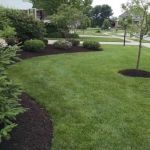 Casey's Landscaping5.0 (20 reviews)
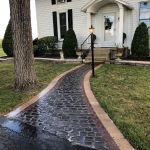 Nate’s Lawn & Landscape LLC4.0 (7 reviews)
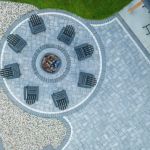 Ultimate Pools & Patios5.0 (6 reviews)
 Reeves Painting & Maintenance5.0 (1 reviews)
 Brothers Landscaping Inc3.0 (6 reviews)
 How to Design a Kid-Friendly Garden Space for Fun and Safety
 How to Protect Plants From Frost & Freeze Damage - Essential Tips for Gardeners
 How to Plan & Build a Backyard Fire Pit Area for Maximum Enjoyment
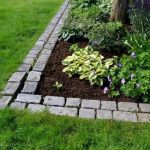 How to Use Perennial Borders to Frame Walkways
 How to Landscape With Large Pots and Statement Planters for Modern Homes
 Mixing Evergreens and Flowering Plants: A Guide to Harmonious Landscaping