
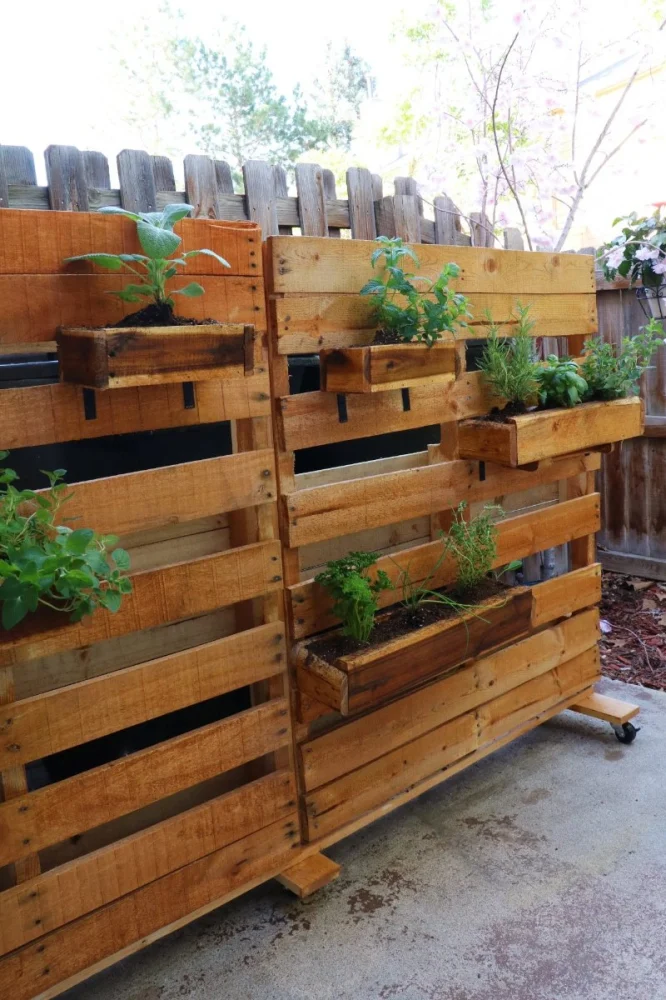
- planning-your-vertical-herb-wall - How to design and plan the perfect herb wall for your space
- choosing-the-right-location - Finding the best spots indoors or outdoors for optimal sunlight and accessibility
- selecting-herbs-and-containers - Choosing the best herbs and containers for vertical growth
- structural-design-and-support - Building a sturdy framework to support your vertical garden
- planting-and-arrangement-tips - Arranging herbs for maximum growth, convenience, and aesthetics
- watering-and-soil-management - Maintaining healthy herbs through proper watering and soil care
- light-and-climate-considerations - Adjusting for natural light, indoor lamps, or climate variations
- real-case-example - How a home chef transformed their kitchen with a vertical herb wall
- maintenance-and-harvesting-strategies - Best practices to keep your herb wall thriving long-term
- professional-vs-diy-approaches - Whether to build it yourself or hire experts from Beautiful Landscapes
1. Planning Your Vertical Herb Wall
Creating a vertical herb wall begins with thoughtful planning. Determine the available wall space in your kitchen, balcony, or garden. Consider how many herbs you want, and visualize how the wall will fit into your cooking routine.

Key Planning Steps
- Measure wall dimensions accurately.
- Decide on modular panels, pocket systems, or wall-mounted pots.
- Sketch a layout prioritizing frequently used herbs for easy access.
- Factor in maintenance space to water and trim plants comfortably.
Planning ensures that the vertical herb wall is functional, beautiful, and tailored to your cooking habits.

Carter's Cuts Lawncare & Landscaping
AllendaleOttawa CountyMichigan
10872 Mary Elizabeth Dr, Allendale, MI 49401, USA
2. Choosing the Right Location for Optimal Growth
Sunlight exposure is crucial for herb growth. Select a location that receives 4–6 hours of sunlight daily, or consider installing supplemental grow lights indoors.
Indoor vs. Outdoor Placement
- Indoor walls near windows allow natural light and ease of access for cooking.
- Outdoor walls in a backyard or patio offer natural air circulation but may need protection from harsh weather.
Accessibility is equally important. Herbs should be within easy reach while cooking to make the wall truly convenient.
3. Selecting the Best Herbs and Containers
Choose herbs that you use frequently in your cooking. Popular options include basil, parsley, thyme, rosemary, cilantro, and mint.
Container Selection Tips
- Pocket planters or felt pockets for lightweight walls.
- Small pots or recycled jars mounted on brackets for modular flexibility.
- Self-watering containers to reduce maintenance effort.
Matching containers with herbs’ growth habits ensures healthy plants and a visually appealing vertical garden.
4. Building a Sturdy Framework
Structural support is critical to prevent collapse under the weight of soil and plants. Use durable materials like treated wood, metal grids, or pre-made vertical garden panels.
Construction Considerations
- Ensure wall anchors can bear the full load of soil, water, and mature plants.
- Incorporate drainage layers to prevent water damage to walls.
- Check alignment and leveling before mounting containers.
A strong framework guarantees safety, longevity, and ease of use for daily cooking activities.
5. Planting and Arranging Your Herbs
Strategic placement helps maximize growth and accessibility. Taller herbs should go at the top or back, while smaller, frequently harvested herbs should be at eye level.
Design for Convenience
- Group herbs by sunlight needs for optimal growth.
- Consider companion planting to reduce pests and improve flavor.
- Mix textures and colors for a visually dynamic wall.
Proper arrangement improves both aesthetics and functional convenience in your cooking routine.
6. Watering and Soil Management
Vertical herb walls require efficient watering systems. Drip irrigation, self-watering pockets, or manual watering with a small spout ensures all herbs receive adequate moisture.
Soil Tips
- Use lightweight, well-draining potting mixes.
- Check moisture levels regularly to avoid root rot.
- Fertilize periodically with organic nutrients to maintain growth.
Consistent soil care keeps your herbs healthy, flavorful, and ready for cooking at all times.
7. Light and Climate Adjustments
Herbs thrive in well-lit, ventilated environments. Indoor vertical walls may require LED grow lights for winter months or rooms without sufficient natural light.
Climate Adaptation
- Monitor temperature and humidity to mimic natural conditions.
- Rotate containers occasionally for uniform light exposure.
- Protect outdoor walls from extreme weather with removable covers.
Climate-aware maintenance ensures consistent growth and year-round herb availability.
8. Real Case Example: A Chef’s Vertical Herb Wall
One home chef transformed a small kitchen corner into a vertical herb wall using modular felt pockets. Basil, thyme, and cilantro were positioned for easy access while cooking.
The chef reported significant convenience during meal prep, noting that fresh herbs were always within arm’s reach. The vertical setup saved counter space and added a lush, decorative element to the kitchen.
9. Maintenance and Harvesting Strategies
Regular trimming promotes healthy growth and prevents overcrowding. Remove yellowing leaves, harvest frequently, and inspect for pests.
Best Practices
- Harvest in the morning for maximum flavor.
- Rotate herbs to ensure even growth.
- Clean containers and check irrigation systems weekly.
Routine maintenance guarantees a productive, attractive, and functional vertical herb wall for years to come.
10. DIY vs Professional Installation
While DIY herb walls are achievable with basic tools, professional services like Beautiful Landscapes can provide custom designs, structural guarantees, and optimal plant selection for your environment.
For homeowners seeking a hassle-free, long-lasting vertical herb wall, professional guidance ensures the project meets both aesthetic and functional goals efficiently.
Building a vertical herb wall transforms cooking convenience, maximizes space, and enhances the visual appeal of your kitchen. Whether you choose a DIY approach or consult Beautiful Landscapes, the result is a thriving, fresh herb source ready at your fingertips.





 Green Acres Nursery & Landscaping4.0 (17 reviews)
 Keystone Landscaping Company4.0 (57 reviews)
 Wild Ridge Lawn & Landscape4.0 (34 reviews)
 Lakeside Service4.0 (4 reviews)
 Shades of Green Lawn and Landscape4.0 (402 reviews)
 OROZCO LANDSCAPING LLC.5.0 (4 reviews)
 How to Landscape With Succulents & Xerophytes: A Guide to Beautiful, Low-Maintenance Gardens
 How to Plant for Delayed Blooming to Extend Season
 How to Recover From Overwatering & Root Rot
 How to Combine Rustic and Modern Elements in Landscape Design
 How to Grow Ornamental Vines for Arbors and Trellises
 How to Use Mulch Depth & Type Wisely