
- -importance-of-kid-friendly-gardens - Understanding the benefits of child-focused outdoor spaces
- -planning-the-layout-for-safety-and-fun - Designing a garden that balances safety and creativity
- -selecting-child-safe-plants-and-materials - Choosing non-toxic, durable plants and materials for children
- -creating-engaging-activity-zones - Ideas for play, learning, and interactive garden elements
- -lighting-and-sensory-elements-for-kids - Enhancing gardens with color, texture, and safe lighting
- -real-family-garden-story - A practical example of designing a backyard for children
- -maintenance-tips-for-kid-friendly-gardens - Keeping the garden safe, tidy, and fun over time
Importance of Kid-Friendly Gardens
A kid-friendly garden design does more than beautify your backyard—it creates a space where children can explore, learn, and grow safely. Outdoor play has been linked to improved physical health, creativity, and social skills. When designing a garden with children in mind, it’s essential to balance aesthetic appeal with functionality and safety.
Beyond physical health, gardens provide children with opportunities to connect with nature. Interactive elements such as small vegetable patches, sensory paths, and water features stimulate curiosity and develop practical skills. A thoughtfully designed garden also encourages families to spend more time outdoors together, promoting stronger bonds and memorable experiences.
Planning the Layout for Safety and Fun
When designing a garden for children, planning the layout is crucial. Start by mapping out zones for different activities while ensuring safe pathways and clear sightlines for supervision.

1. Establish Defined Zones
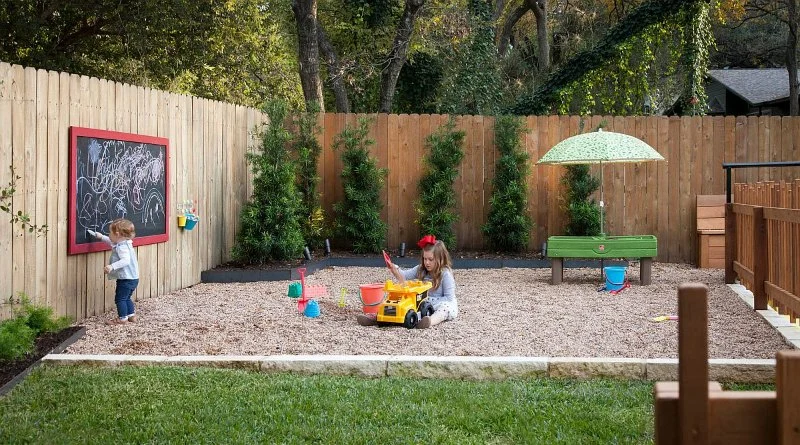
Divide the garden into distinct areas, such as a play zone, learning zone, and relaxation area. This approach allows children to engage in various activities without interference. For example, a sandbox near the seating area encourages supervised play, while a small vegetable patch at the garden edge introduces practical gardening skills.
2. Prioritize Safety Features
Soft, non-slip surfaces, rounded edges on garden furniture, and fences or low barriers help prevent accidents. Avoid high-maintenance or sharp-edged structures in play areas. Safety considerations are as essential as creative design when creating a safe garden for children.
3. Plan Accessible Pathways
Wide, smooth paths allow children of all ages to move easily between areas. Consider using natural materials like mulch, gravel, or rubber tiles for added traction and comfort. This ensures that children can explore independently while parents maintain supervision.
Selecting Child-Safe Plants and Materials
A critical aspect of children’s garden ideas is selecting non-toxic, durable plants and materials. Children may touch, taste, or accidentally ingest plants, so safety is paramount.
1. Non-Toxic Plants
Choose plants such as sunflowers, marigolds, and herbs like basil or mint. Avoid poisonous species like foxglove or oleander. Incorporate a mix of flowers, shrubs, and edible plants to maintain interest and sensory diversity.
2. Durable Materials
Furniture, garden edging, and play equipment should withstand active use. Materials like weather-resistant wood, recycled plastics, and rounded stones provide safety and longevity. Consider using soft surfaces under climbing structures and swings to reduce the risk of injury.
3. Natural Mulches and Stones
Use organic mulch, rubber mats, or small pebbles for paths and activity areas. These materials are gentle on children’s hands and feet, reduce slipping hazards, and contribute to a visually appealing garden.
Creating Engaging Activity Zones
To make your backyard truly exciting, design areas that encourage both play and learning. Backyard play garden ideas should combine active, creative, and educational elements.
1. Vegetable and Herb Patches
A small garden bed allows children to plant, water, and harvest their own crops. This teaches responsibility, introduces basic science concepts, and gives a sense of accomplishment when plants thrive.
2. Sensory Gardens
Incorporate different textures, colors, and scents. Plants like lamb’s ear, rosemary, and colorful marigolds stimulate the senses, while water features or wind chimes provide auditory interest.
3. Adventure and Play Zones
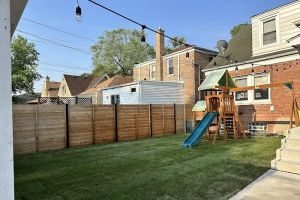
Climbing frames, slides, or mini forts can add excitement. Use soft, safe surfaces, and ensure these areas are in view from seating areas for supervision. Creative outdoor games like hopscotch or obstacle courses encourage physical activity.
Lighting and Sensory Elements for Kids
Adding thoughtful lighting and sensory features enhances garden appeal and usability after dark.
1. Soft and Safe Lighting
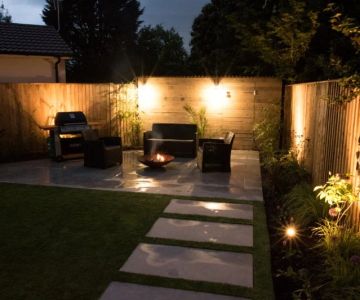
Solar-powered LED lights along pathways, low garden lamps, or glowing orbs create ambiance and safety. Avoid harsh or high-voltage lighting near play areas.
2. Colorful and Interactive Features
Painted stepping stones, colorful planters, and themed sculptures invite engagement. Sensory boards or musical instruments in the garden encourage creative exploration and repeated visits.
Real Family Garden Story
One family in Seattle transformed a small backyard into a creative garden space for kids. They combined raised vegetable beds, a mini climbing wall, and a sensory path with plants of various textures. Within weeks, their children became more interested in outdoor activities and gardening, showing pride in watering plants and harvesting vegetables. The parents noticed improved patience, curiosity, and collaborative play among siblings.
Maintenance Tips for Kid-Friendly Gardens
To sustain a safe and enjoyable garden, regular upkeep is essential. Outdoor learning garden spaces need practical maintenance strategies.
1. Regular Pruning and Inspection
Trim plants to avoid overgrowth, inspect play structures for wear, and replace damaged materials promptly. Safety should be reassessed seasonally.
2. Watering and Fertilization
Keep plants healthy with consistent watering and child-safe fertilizers. Healthy plants are less likely to attract pests and remain visually appealing.
3. Seasonal Updates
Rotate flowers and add seasonal decorations or garden activities to maintain excitement. Change the sensory garden elements periodically to encourage curiosity and exploration.
Enhancing Your Garden with Professional Guidance
For families seeking expert advice, platforms like Beautiful Landscapes offer curated ideas, products, and services for designing kid-friendly gardens. Professional insight helps balance aesthetics, safety, and creativity while saving time and effort.
Conclusion: Make Outdoor Spaces Fun, Safe, and Educational
Designing a kid-friendly garden space requires thoughtful planning, safe materials, and engaging activity zones. By incorporating sensory elements, vegetable patches, and adventure play areas, you create a space that promotes learning, physical activity, and family bonding. Regular maintenance and seasonal updates ensure the garden remains vibrant and safe, giving children a backyard to explore and enjoy for years to come.




 Delong Landscaping4.0 (128 reviews)
 CDR Landscape4.0 (13 reviews)
 Hawker Landscaping Solutions4.0 (23 reviews)
 Sid's Unlimited Landscaping4.0 (24 reviews)
 Windwood Property Services4.0 (16 reviews)
 Cuttin' It Close Lawn Care Inc.4.0 (46 reviews)
 How to Use Groundcovers as a Living Mulch for Healthier Gardens
 Best Drought-Tolerant Plants for Your Region
 How to Use Drip Irrigation to Save Water Effectively
 Best Ground Covers for Slopes & Erosion Control: Affordable and Effective Solutions
 How to Protect Plants During Heat Waves
 How to Plan an Entryway Garden That Welcomes Guests