
- Why Fence Gardening Works - Space Saving Benefits - Better Harvests
- Choosing the Right Fence - Materials - Sunlight Planning
- Best Vegetables for Vertical Growth - Easy Crops - Productive Plants
- Soil and Container Setup - Drainage - Feeding Plants Properly
- Support Systems for Climbing Plants - Trellises - Hanging Solutions
- Watering and Maintenance - Daily Care - Seasonal Adjustments
- Common Problems and Solutions - Pests - Heat Stress - Weak Growth
- Designing a Beautiful Edible Wall - Functional Layouts - Decorative Ideas
- Real Life Small Yard Success Story - Urban Gardening Inspiration
- Expanding Your Vertical Garden - Smart Upgrades - Long Term Planning
Why Fence Gardening Works
Learning how to grow a vertical vegetable garden on fences has become one of the smartest solutions for homeowners dealing with limited outdoor space. Across suburban neighborhoods, apartment patios, and compact urban backyards, people are discovering that fences can serve a much bigger purpose than simply marking property lines.
Vertical gardening transforms underused vertical surfaces into productive growing areas. Instead of spreading vegetables across large ground plots, plants grow upward using supports, containers, and climbing systems attached directly to fences. This approach not only saves space but also creates a visually appealing living wall full of color, texture, and edible harvests.

Smith Family Services
1315 W Jackson Street, 4700 North Old State Road 3, Muncie, IN 47303, USA
1. Why More Homeowners Are Growing Upward Instead of Outward
In many American cities, backyard sizes continue shrinking while interest in home gardening keeps growing. Families want fresh vegetables, but they often lack the square footage for traditional raised beds. Fence gardening bridges that gap beautifully.
A vertical garden can fit into:
- Townhouse backyards
- Apartment balconies with privacy fencing
- Small suburban side yards
- Community garden boundaries
- Urban patios
Gardeners also appreciate the reduced bending and kneeling required for harvesting. Older adults especially find vertical gardening easier on the knees and back compared to low garden beds.
2. Healthier Plants Through Better Airflow
One overlooked advantage of vertical gardening is improved air circulation. When vegetables grow upward, leaves dry faster after rain or watering. This can help reduce fungal diseases that commonly spread in crowded ground gardens.
Tomatoes, cucumbers, peas, and beans often produce cleaner, healthier fruit when elevated. Gardeners frequently notice fewer pest problems as well because fruits are less likely to touch damp soil.
3. Easier Harvesting and Monitoring
Anyone who has searched endlessly beneath sprawling squash vines understands the value of visibility. Fence gardening allows vegetables to remain accessible and easy to inspect.
You can quickly:
- Spot pests before infestations worsen
- Harvest ripe vegetables faster
- Remove damaged leaves
- Monitor watering needs
- Support heavy vines early
Many gardeners who start with one fence section eventually expand their vertical growing systems throughout the yard because the convenience becomes addictive.
Choosing the Right Fence
Not every fence automatically works well for a vertical vegetable garden. The structure, sunlight exposure, and durability of the fence directly affect your gardening success.
1. Wood Fences
Wood fences remain one of the most popular choices for vertical gardens because they are easy to modify. Gardeners can attach hooks, planter boxes, and trellis panels without complicated installation.
However, untreated wood may deteriorate faster when exposed to constant watering. Applying a safe outdoor sealant can extend fence life significantly.
Best Vegetables for Wood Fence Systems
- Cherry tomatoes
- Snap peas
- Pole beans
- Cucumbers
- Mini pumpkins
2. Metal Fences
Metal fences offer durability and modern aesthetics. Wire fencing especially works well for climbing vegetables because vines naturally attach themselves to the openings.
The downside is heat retention. In extremely hot climates, metal can become very warm during summer afternoons. Sensitive plants may require partial shading.
3. Vinyl Fences
Vinyl fences require more careful planning because they are not always designed to hold significant weight. Instead of attaching heavy planters directly, many gardeners position freestanding vertical systems near the fence for support and appearance.
4. Evaluating Sunlight Before Installation
Sunlight matters more than fence style. Most vegetables require at least six to eight hours of direct sunlight daily.
Before installing anything:
- Observe sunlight patterns for several days
- Check morning and afternoon exposure
- Identify shaded areas caused by trees or buildings
- Determine heat intensity during summer afternoons
South-facing fences often receive the best sunlight in many parts of the United States.
Best Vegetables for Vertical Growth
Choosing the right vegetables makes a massive difference when building a fence garden. Some crops naturally thrive vertically, while others struggle without extensive support.
1. Pole Beans
Pole beans are often recommended for beginners because they grow quickly and climb aggressively. They produce continuously throughout the season and require very little maintenance.
Scarlet runner beans also add beautiful flowers that attract pollinators.
2. Cucumbers
Cucumbers thrive on fences. When allowed to climb vertically, cucumbers usually grow straighter and cleaner than ground-grown plants.
Important Tip
Use soft ties or garden clips to help young cucumber vines attach during the early growth stages.
3. Tomatoes
Indeterminate tomato varieties work especially well in vertical systems. These plants continue growing and producing fruit throughout the season.
Many gardeners create impressive tomato walls using:
- Cattle panels
- Wooden lattice systems
- String trellises
- Mesh fencing
Smaller cherry tomato varieties often outperform larger slicing tomatoes in vertical fence gardens because heavy fruits can strain supports.
4. Peas
Peas are ideal for cooler seasons. They climb naturally and create dense green coverage quickly.
Sugar snap peas remain a favorite because they combine productivity with excellent flavor.
5. Zucchini and Squash
Many gardeners assume squash must grow across the ground, but compact varieties can succeed vertically with sturdy supports.
Some gardeners even use old T-shirts or mesh slings to support heavy developing fruits.
Soil and Container Setup
Even the best fence garden fails without healthy soil. Since vertical gardens often rely on containers or narrow planting beds, soil quality becomes even more important.
1. Choosing the Right Containers
Fence gardens commonly use:
- Hanging planters
- Fabric grow bags
- Wall-mounted pockets
- Wooden planter boxes
- Stackable container systems
Depth matters. Vegetables like lettuce can thrive in shallow containers, while tomatoes require deeper root space.
2. Soil Composition
A high-quality potting mix should include:
- Organic compost
- Coconut coir or peat moss
- Perlite for drainage
- Slow-release nutrients
Heavy garden soil should generally be avoided because it compacts easily in containers.
3. Fertilization Strategy
Vertical gardens often dry out and lose nutrients faster than in-ground beds.
Successful gardeners usually follow a consistent feeding schedule:
- Balanced fertilizer during early growth
- Higher phosphorus during flowering
- Organic compost tea every few weeks
- Calcium supplements for tomatoes if blossom-end rot appears
Some homeowners discover through trial and error that overfeeding creates excessive leaves with fewer vegetables. Consistency matters more than intensity.
Support Systems for Climbing Plants
The support structure is the backbone of a successful vertical vegetable garden.
1. Trellis Panels
Trellis panels are one of the simplest solutions. They can attach directly to fences or stand slightly away from the surface to improve airflow.
Wooden lattice panels provide a classic cottage-garden appearance, while metal grid panels offer modern durability.
2. Wire Systems
Wire systems are popular among serious gardeners because they allow flexibility throughout the growing season.
Gardeners can guide vines horizontally or vertically depending on plant growth patterns.
Common Materials Used
- Galvanized wire
- Nylon garden netting
- Jute twine
- Steel mesh
3. Hanging Pocket Gardens
Fabric pocket systems work wonderfully for herbs and leafy greens.
Many apartment dwellers use pocket gardens to grow:
- Spinach
- Lettuce
- Basil
- Parsley
- Strawberries
These systems maximize small spaces while creating a lush living wall effect.
4. DIY Recycled Systems
Creative gardeners frequently build low-cost vertical gardens using recycled materials.
Popular examples include:
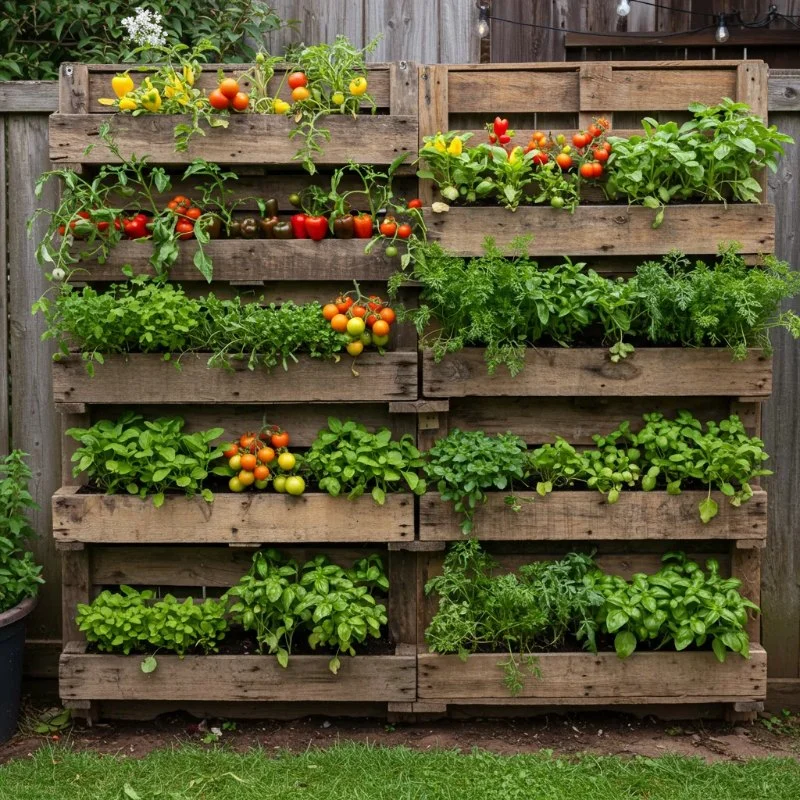
- Wood pallets
- Rain gutters
- Plastic bottles
- Old shoe organizers
- Repurposed ladders
One homeowner in Portland converted an entire cedar fence into a productive vegetable wall using salvaged wooden crates. Within one season, the garden produced enough herbs, peppers, and greens to reduce grocery expenses noticeably.
Watering and Maintenance
Vertical gardens require consistent watering because containers dry out faster than traditional beds.
1. Drip Irrigation Systems
Drip irrigation remains one of the most efficient watering methods for fence gardens.
Benefits include:
- Reduced water waste
- More consistent moisture
- Lower disease risk
- Time savings
Many gardeners connect drip systems to timers, especially during summer vacations.
2. Mulching Containers
Small amounts of mulch can dramatically improve moisture retention.
Common choices include:
- Straw
- Shredded bark
- Cocoa hulls
- Leaf mulch
3. Pruning for Better Productivity
Vertical vegetables benefit from selective pruning.
For example:
- Tomatoes need sucker removal
- Cucumbers benefit from lower leaf trimming
- Beans occasionally require thinning
Without pruning, dense foliage can reduce airflow and increase disease pressure.
4. Seasonal Adjustments
Successful gardeners adapt their systems throughout the year.
During extreme summer heat:
- Add temporary shade cloth
- Increase watering frequency
- Harvest vegetables earlier
- Monitor leaf scorch
During cooler months:
- Switch to cold-tolerant crops
- Use frost covers when necessary
- Reduce watering frequency
Common Problems and Solutions
Even well-designed vertical gardens face occasional setbacks. Understanding common issues early helps prevent major crop losses.
1. Weak Fence Structures
Heavy plants can stress fences significantly.
Tomatoes, squash, and mature cucumber vines may become surprisingly heavy after rainfall. Reinforcing supports early prevents expensive fence damage later.
2. Uneven Watering
One challenge with vertical gardening is inconsistent moisture distribution.
Upper containers often dry faster than lower sections. Many gardeners solve this problem using staggered irrigation lines or self-watering containers.
3. Pest Infestations
Aphids, spider mites, and whiteflies commonly affect vertical gardens.
Natural control methods include:
- Neem oil sprays
- Ladybug releases
- Companion planting
- Strong water sprays
Many experienced gardeners avoid harsh chemicals because vertical gardens are often located close to patios and outdoor living spaces.
4. Heat Reflection Issues
Some fences reflect intense heat onto plants during summer afternoons.
Dark-painted fences especially can create microclimates that stress vegetables.
Adding airflow gaps or temporary cloth shading often solves the issue.
Designing a Beautiful Edible Wall
A vertical vegetable garden should not only produce food but also enhance the overall outdoor environment.
1. Mixing Ornamentals With Edibles
Many of the most attractive fence gardens combine flowers with vegetables.
Popular pairings include:
- Marigolds with tomatoes
- Nasturtiums with cucumbers
- Lavender near peppers
- Sunflowers beside beans
These combinations support pollinators while softening the appearance of purely functional gardens.
2. Creating Visual Layers
Professional-looking vertical gardens often use layered height designs.
For example:
- Tall climbers at the back
- Mid-height herbs in mounted containers
- Trailing strawberries near the bottom
This creates depth and prevents visual clutter.
3. Matching the Garden to Home Architecture
Fence gardens look more intentional when materials complement the home's exterior style.
Rustic homes often pair beautifully with cedar planters and wrought iron supports. Modern homes may benefit from sleek black metal systems and geometric layouts.
Homeowners searching for more landscaping inspiration frequently browse Beautiful Landscapes for ideas that blend practical gardening with elegant outdoor design.
Real Life Small Yard Success Story
One family in Chicago transformed a narrow side-yard fence into a thriving vegetable corridor after struggling for years with limited gardening space.
The area originally contained little more than patchy grass and unused storage bins. After installing simple wire trellises and cedar planter boxes, the family grew:
- Six tomato varieties
- Three cucumber types
- Herbs
- Leaf lettuce
- Pole beans
The project became especially meaningful during summer gatherings because guests could harvest vegetables directly from the wall while cooking outdoors.
The homeowner later admitted that the biggest surprise was how much the vertical garden changed the atmosphere of the yard. Instead of feeling cramped, the space suddenly felt vibrant and alive.
Expanding Your Vertical Garden
Most gardeners begin with a small experiment, then gradually expand once they understand how productive fence gardening can become.
1. Adding Automated Systems
Advanced gardeners often upgrade with:
- Smart irrigation timers
- Moisture sensors
- Solar-powered watering systems
- Automated nutrient injectors
These upgrades simplify maintenance during busy weeks.
2. Rotating Seasonal Crops
Year-round productivity becomes possible with careful planning.
Spring Crops
- Peas
- Lettuce
- Spinach
Summer Crops
- Tomatoes
- Cucumbers
- Beans
Fall Crops
- Kale
- Swiss chard
- Broccoli
This seasonal rotation keeps the fence productive nearly all year in many regions.
3. Incorporating Pollinator Support
Pollinator-friendly plants increase vegetable yields significantly.
Adding flowering plants near fence gardens encourages:
- Bees
- Butterflies
- Beneficial insects
Gardeners often notice stronger cucumber and squash production after improving pollinator activity.
4. Turning Fence Gardens Into Outdoor Living Features
Today’s homeowners increasingly treat vertical gardens as part of the outdoor living experience rather than simple food production systems.
Some combine fence gardens with:
- Outdoor dining spaces
- String lighting
- Decorative containers
- Water features
- Built-in seating
The result feels more like a private edible retreat than a traditional backyard garden.
As interest in sustainable living continues growing across the United States, vertical vegetable gardening offers one of the most practical and rewarding ways to maximize limited outdoor space. Whether you start with a single tomato vine or an entire edible wall, learning how to grow a vertical vegetable garden on fences can completely change the way you use your yard.
Many homeowners looking to upgrade their outdoor spaces continue exploring Beautiful Landscapes for creative ideas, smart planting systems, and practical solutions that combine beauty with functionality. A thoughtfully designed fence garden does more than grow vegetables — it creates a healthier, more engaging outdoor environment that evolves season after season.
 EcoHaven landscaping and ponds5.0 (4 reviews)
 Walmart Patio & Garden Services0.0 (0 reviews)
 Boone's Snow Removal and Lawn Care LLC5.0 (1 reviews)
 Ball Horticultural Co4.0 (106 reviews)
 Maya-Bruns Landscaping4.0 (14 reviews)
 U.S. Lawns- Terre Haute IN4.0 (59 reviews)
 How to Predict Plant Growth & Spread in 5 Years
 How to Protect Plants During Heat Waves
 How to Build a Vertical Herb Wall for Cooking Convenience
 How to Recover From Overwatering & Root Rot
 How to Design an Entryway With Native and Pollinator Plants
 How to Use Planters to Extend Planting Zones