
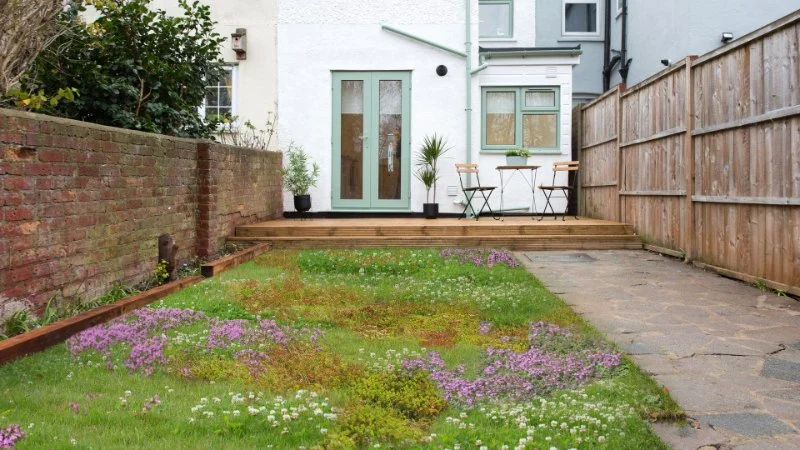
- Why Homeowners Are Rethinking Traditional Lawns
- What Is a Tapestry Lawn
- How Tapestry Lawns Transform Modern Landscaping
- Best Plants for Living Ground Cover Alternatives
- Climate Smart Benefits of Tapestry Lawns
- Real Homeowner Examples and Landscape Trends
- How to Build a Successful Tapestry Lawn
- Common Mistakes to Avoid
- Maintenance Through the Seasons
- Choosing the Right Design for Your Property
- Where to Find Quality Ground Cover Solutions
Why Homeowners Are Rethinking Traditional Lawns
For decades, the perfect American yard was defined by a flawless green lawn. Perfectly trimmed grass became a symbol of suburban pride, but that image is changing rapidly across the United States. Rising water bills, longer drought seasons, and the increasing cost of lawn maintenance are pushing homeowners to reconsider what a beautiful yard really looks like.
Traditional turf grass demands significant resources. Between irrigation systems, fertilizers, pesticides, mowing equipment, and seasonal repairs, maintaining a conventional lawn can become surprisingly expensive. In states like California, Arizona, and Texas, many homeowners have started replacing portions of their lawns entirely because of water restrictions and climate concerns.
At the same time, people are becoming more interested in sustainable landscaping that supports pollinators, reduces maintenance, and creates more visually dynamic outdoor spaces. This shift has opened the door for one of the most exciting landscaping trends in recent years: tapestry lawns.
Unlike standard turf grass, tapestry lawns use a blend of low-growing plants to create a living mosaic of textures, colors, and seasonal blooms. They are not only practical but visually richer and more environmentally friendly.
Why the Trend Is Accelerating
Several factors are fueling the popularity of living ground cover alternatives:

1. Water Conservation
Many tapestry lawn plants require far less water than Kentucky bluegrass or Bermuda grass. Homeowners in drought-prone regions can significantly reduce irrigation costs.
2. Lower Maintenance
Traditional lawns often require weekly mowing. Tapestry lawns may only need occasional trimming or seasonal shaping.
3. Better Biodiversity
Pollinators such as bees and butterflies benefit from flowering ground covers that provide nectar sources unavailable in traditional grass lawns.
4. Visual Personality
Modern homeowners increasingly want landscapes that feel unique rather than identical to every neighboring property.
What Is a Tapestry Lawn
A tapestry lawn is a carefully designed mixture of low-growing plants that work together to create a dense, walkable, visually layered ground cover. Instead of relying on one grass species, the landscape becomes a living composition made from different textures, colors, and growth habits.
The concept originated from ecological gardening principles and has become especially popular among landscape designers seeking sustainable alternatives to monoculture lawns.
Key Characteristics of a Tapestry Lawn
1. Plant Diversity
A tapestry lawn usually combines several compatible plant species. These may include clover, creeping thyme, sedum, Irish moss, chamomile, and native wildflowers.
2. Reduced Chemical Dependency
Because diverse ecosystems naturally resist pests and disease better than single-species lawns, chemical treatments are often minimized.
3. Seasonal Variation
Unlike traditional lawns that remain visually static, tapestry lawns evolve throughout the year. Some plants bloom in spring, others thrive in summer, while certain ground covers display rich autumn colors.
4. Soft Natural Appearance
Rather than looking highly manicured, tapestry lawns create a softer, more organic landscape aesthetic that blends beautifully with modern architecture and natural gardens.
How Tapestry Lawns Transform Modern Landscaping
One reason tapestry lawns are gaining attention on social media and landscaping blogs is their dramatic visual impact. A standard lawn provides one texture and one color. A tapestry lawn introduces movement, diversity, and natural depth.
Landscape architects have increasingly used tapestry lawn concepts in high-end residential projects because they soften hardscape elements like concrete patios, retaining walls, and modern outdoor kitchens.
Blending Design and Ecology
One of the most interesting aspects of tapestry lawns is how they bridge environmental responsibility with luxury design. Homeowners no longer have to choose between sustainability and beauty.
Examples of Design Pairings
Modern homes often pair silver-toned creeping thyme with dark stone walkways. Cottage-style gardens may combine white clover with chamomile for a softer countryside appearance. Mediterranean-inspired landscapes frequently incorporate drought-resistant sedum varieties alongside gravel pathways.
The Psychological Appeal of Natural Landscapes
There is also growing evidence that more naturalistic landscapes positively affect mental well-being. Uniform grass lawns can sometimes feel sterile, while layered living landscapes create a stronger emotional connection to nature.
Homeowners often describe tapestry lawns as feeling calmer, softer, and more alive than traditional turf grass.
Best Plants for Living Ground Cover Alternatives
Choosing the right plants is the foundation of a successful tapestry lawn. The ideal combination depends on climate, sunlight, foot traffic, and maintenance goals.
Popular Ground Cover Choices
1. White Clover
White clover has experienced a major comeback in American landscaping. Once considered a weed, it is now valued for its nitrogen-fixing properties and soft appearance.
Benefits of White Clover
It stays green during dry periods, attracts pollinators, and reduces fertilizer needs naturally.
2. Creeping Thyme
Creeping thyme is one of the most visually stunning choices for tapestry lawns. It creates tiny flowers that attract bees and releases fragrance when walked on.
Best Uses
Ideal for pathways, stepping stone borders, and sunny open spaces.
3. Irish Moss
Irish moss forms lush green cushions that resemble soft mossy carpets.
Where It Performs Best
Cooler climates with partial shade and moderate moisture.
4. Sedum
Sedum varieties excel in dry climates and rocky soils. Their succulent leaves provide excellent drought resistance.
Why Designers Love Sedum
Minimal watering needs and strong architectural texture.
5. Chamomile
Chamomile lawns were historically popular in Europe and are now returning in eco-conscious American landscapes.
Special Features
The plant produces a gentle herbal fragrance and creates a soft meadow-like appearance.
Native Plants Matter
One of the smartest approaches is incorporating native ground cover species adapted to local ecosystems. Native plants generally require less maintenance and support local wildlife more effectively.
Many landscape professionals recommend consulting regional plant experts before installation. Homeowners can also explore curated sustainable landscaping options through Beautiful Landscapes, where plant compatibility and climate considerations are easier to evaluate before starting a project.
Climate Smart Benefits of Tapestry Lawns
The environmental advantages of tapestry lawns extend far beyond aesthetics.
Reducing Water Consumption
Traditional lawns consume enormous amounts of water annually. According to many municipal conservation studies, residential irrigation represents a major percentage of household water use during summer months.
Many living ground cover alternatives survive with rainfall alone once established.
Lower Carbon Emissions
Gas-powered lawn equipment contributes to air pollution and carbon emissions. Because tapestry lawns require less mowing, they indirectly reduce environmental impact.
Improving Soil Health
Diverse root systems improve soil structure naturally. This increases water infiltration and reduces erosion during heavy rain.
Supporting Pollinators
Pollinator populations have declined significantly in recent decades. Flowering tapestry lawns create valuable food sources for bees, butterflies, and beneficial insects.
Why Pollinator Support Matters
Healthy pollinator populations directly affect food production, ecosystem stability, and biodiversity.
Real Homeowner Examples and Landscape Trends
One of the biggest reasons tapestry lawns have exploded online is because homeowners are sharing dramatic before-and-after transformations.
The California Water Reduction Movement
During extended drought periods in California, many homeowners replaced thirsty lawns with drought-resistant alternatives. Some neighborhoods reduced outdoor water use by over 50 percent after converting large turf areas into mixed ground cover landscapes.
Several viral social media posts showed homeowners transforming dry brown lawns into colorful tapestry gardens filled with creeping thyme and clover.
Suburban Families Seeking Low Maintenance
Families with busy schedules increasingly prefer landscapes that do not require constant mowing and fertilizing.
A homeowner in Colorado shared how replacing her front lawn with a tapestry blend cut her weekly yard work from four hours to less than one hour. Her children also preferred playing among flowering ground covers instead of standard grass.
Luxury Landscape Designers Embracing Naturalism
High-end landscape firms have also contributed to the trend. Luxury outdoor spaces now frequently feature mixed ground covers integrated with natural stone pathways and native gardens.
The result feels more like a curated retreat than a conventional suburban lawn.
How to Build a Successful Tapestry Lawn
Creating a tapestry lawn requires planning, but the long-term rewards can be substantial.
Step 1: Understand Your Climate
Before selecting plants, evaluate:
1. Sun Exposure
How many hours of sunlight does the area receive daily?
2. Soil Conditions
Is the soil sandy, clay-heavy, rocky, or compacted?
3. Rainfall Patterns
Drought-prone regions require highly resilient species.
Step 2: Define Traffic Levels
Some tapestry lawn plants tolerate walking better than others.
Best Options for Foot Traffic
Creeping thyme, clover, and certain sedum varieties handle moderate use effectively.
Step 3: Remove Existing Turf
Old grass must usually be removed to reduce competition.
Common Removal Methods
1. Sheet Mulching
Uses cardboard and compost to smother existing grass naturally.
2. Sod Cutting
Mechanically removes turf for faster installation.
3. Solarization
Uses sunlight and plastic sheeting to kill grass over time.
Step 4: Plant Strategically
Successful tapestry lawns rely on plant compatibility.
Key Design Principle
Combine species with similar water and sunlight requirements.
Step 5: Establish Carefully
The first growing season is critical.
Early Maintenance Priorities
1. Consistent Watering
Young plants need stable moisture while roots develop.
2. Weed Monitoring
Remove invasive weeds before they spread.
3. Patience
Tapestry lawns improve significantly after their first full year.
Common Mistakes to Avoid
Although tapestry lawns are lower maintenance in the long run, poor planning can create problems.
Using Incompatible Plants
Combining moisture-loving plants with drought-tolerant species often leads to uneven growth and plant stress.
Ignoring Regional Climate
A plant thriving in Oregon may fail completely in Arizona.
Expecting Instant Perfection
Tapestry lawns evolve gradually. During early establishment, some patchiness is normal.
Overwatering
Many ground cover species suffer when watered excessively.
Choosing Only One Species
The beauty of tapestry lawns comes from diversity. Monocultures lose many ecological advantages.
Maintenance Through the Seasons
One of the biggest misconceptions about living ground cover alternatives is that they require no maintenance. While upkeep is dramatically lower than traditional lawns, seasonal care still matters.
Spring Care
1. Light Cleanup
Remove winter debris and inspect plant health.
2. Spot Replanting
Fill thin areas before the active growing season begins.
Summer Care
1. Monitor Moisture
Newly established lawns may still need occasional watering during extreme heat.
2. Minimal Trimming
Trim overly aggressive species if necessary.
Fall Care
1. Soil Improvement
Add compost lightly if soil fertility needs improvement.
2. Weed Prevention
Remove weeds before they seed.
Winter Care
1. Reduce Traffic
Avoid excessive walking on dormant plants during freezing conditions.
2. Plan Expansions
Winter is an ideal time to design future planting areas.
Choosing the Right Design for Your Property
No two tapestry lawns look exactly alike. The best designs reflect the architecture, climate, and lifestyle of the homeowner.
Modern Minimalist Homes
Low-growing thyme, sedum, and ornamental gravel create clean geometric contrasts.
Cottage Gardens
Chamomile, clover, and flowering ground covers create a softer, romantic appearance.
Family-Friendly Yards
Durable clover blends provide comfortable play areas with lower maintenance requirements.
Wildlife-Focused Gardens
Native flowering ground covers support birds, butterflies, and beneficial insects.
The Importance of Balance
The most successful landscapes balance beauty, functionality, and ecological performance.
Where to Find Quality Ground Cover Solutions
As tapestry lawns continue gaining popularity, homeowners are discovering that plant quality and design guidance make a major difference.
Choosing compatible species, understanding local climate conditions, and planning long-term maintenance are essential for success. Many homeowners begin with small sections before expanding their living ground cover alternatives across larger portions of the property.
Beautiful Landscapes has become a useful resource for homeowners exploring sustainable landscaping ideas, low-maintenance ground cover options, and climate-appropriate planting solutions. Whether someone wants a drought-tolerant front yard, a pollinator-friendly garden, or a modern eco-conscious landscape design, selecting the right plant combinations early can dramatically improve long-term results.
The rise of tapestry lawns reflects a larger cultural shift in how Americans think about outdoor spaces. Instead of maintaining resource-intensive monoculture grass, homeowners are embracing landscapes that feel alive, resilient, and connected to nature. These living ground cover alternatives offer beauty, sustainability, biodiversity, and a more personal approach to landscaping that aligns with modern environmental values and contemporary design trends.


 GO Landscaping5.0 (27 reviews)
 Halbig Lawn and Landscaping LLC4.0 (58 reviews)
 Cutting Edge Lawn Care LLC4.0 (9 reviews)
 City Escape Garden Center and Design Studio4.0 (277 reviews)
 Stafford.Works4.0 (33 reviews)
 Dirt Cheap LLC4.0 (25 reviews)
 How to Deal With Sloped Yards: Terracing & Retaining Walls
 How to Create a Meditation Space in Your Backyard
 How to Prevent Soil Erosion Naturally Without Retaining Walls
 : How to Harmonize Fire and Water Elements in Your Space
 How to Use Solar Lighting in Your Garden Effectively
 How to Build a Dry Creek Bed for Drainage & Visual Appeal