
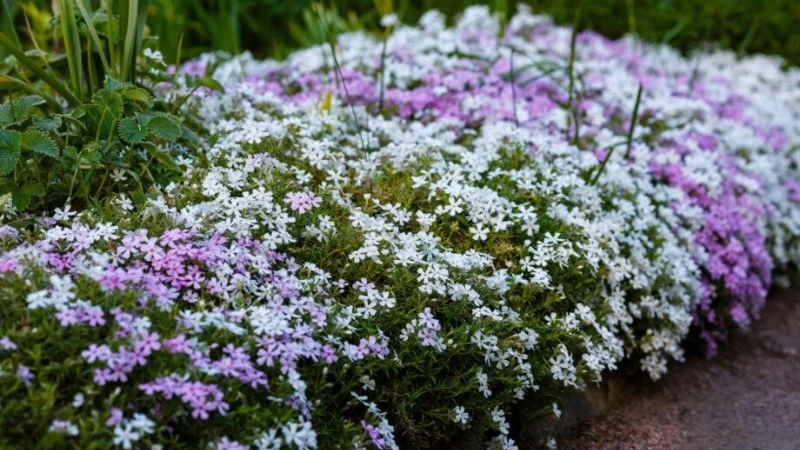
- best-ground-cover-plants-overview-natural-weed-suppression-basics
- how-ground-cover-plants-work-to-block-weeds-and-improve-soil-health
- top-low-maintenance-ground-covers-for-different-climates-and-gardens
- real-life-garden-transformation-case-study-before-after-story
- planting-strategies-density-spacing-and-long-term-maintenance-tips
- eco-friendly-landscaping-benefits-of-natural-weed-control-systems
- where-to-find-quality-plants-and-landscape-resources-beautiful-landscapes
Understanding Ground Cover Plants and Natural Weed Suppression
When gardeners talk about low-maintenance landscapes, one of the most reliable solutions is using Best Ground Cover Plants to Suppress Weeds Naturally. These plants do more than decorate soil—they actively compete with weeds, block sunlight, and stabilize garden ecosystems in a way that reduces long-term maintenance.
Instead of relying on chemicals or constant manual weeding, ground cover plants create a living carpet that protects soil health and reduces unwanted growth. This approach is increasingly popular in sustainable landscaping across the United States, especially among homeowners seeking eco-friendly garden solutions.

Why ground cover plants are more than just decoration
Unlike traditional ornamental plants, ground covers grow horizontally rather than vertically. This spreading behavior allows them to fill empty soil spaces quickly, leaving little room for weeds to germinate. Over time, they form dense mats that naturally suppress competition.

How Ground Cover Plants Suppress Weeds Naturally
Blocking sunlight at soil level
Weeds require sunlight to germinate. Ground cover plants reduce light exposure by forming dense foliage layers. This simple biological mechanism is one of the most effective natural weed control strategies available.
Competing for nutrients and water
Strong ground covers absorb water and nutrients before weeds can access them. This resource competition makes it difficult for invasive plants to establish themselves.
Creating physical barriers through root systems
Many ground covers develop thick root networks that stabilize soil and prevent weed seeds from taking hold. This underground defense system is often overlooked but highly effective.
Best Ground Cover Plants to Suppress Weeds Naturally in Different Gardens
Creeping Thyme – aromatic and drought tolerant
Creeping thyme is a favorite in dry climates. It spreads low and dense while releasing a pleasant aroma when stepped on. Its ability to thrive in poor soil makes it ideal for pathways and rock gardens.
Sweet Woodruff – ideal for shaded areas
This plant excels in shaded gardens where grass struggles. Its fast spreading nature quickly covers soil and prevents weed growth in woodland-style landscapes.
Ajuga (Bugleweed) – fast spreading color enhancer
Ajuga offers both weed suppression and visual appeal with its purple-toned foliage. It grows aggressively, making it ideal for areas needing quick coverage.
Japanese Spurge – evergreen structure
This plant maintains coverage year-round, especially in shaded or semi-shaded environments. Its evergreen nature ensures continuous weed suppression.
Clover – soil improving ground cover
Clover is unique because it also enriches soil with nitrogen. It is often used in eco-friendly lawns as a replacement for grass.
Real Garden Transformation Story: From Weedy Yard to Living Carpet
A homeowner in Oregon once shared their experience converting a high-maintenance backyard into a low-effort landscape using ground cover plants. Their yard was previously dominated by persistent weeds that returned every spring despite constant removal efforts.
After consulting a landscape designer, they replaced large portions of open soil with creeping thyme and ajuga. Within one growing season, the weeds were nearly gone. By the second year, the yard had transformed into a dense, flowering ground layer requiring minimal upkeep.
This transformation highlights a key insight: long-term weed control is not about removal, but prevention through coverage.
Planting Strategies for Maximum Weed Suppression
Proper spacing for early coverage
Planting ground covers closer together encourages faster canopy formation. This reduces the window of opportunity for weeds to emerge.
Soil preparation before planting
Removing existing weeds and loosening soil before planting improves root establishment. Adding mulch during early growth stages also accelerates coverage success.
Layered planting for complex landscapes
In larger gardens, combining multiple ground cover species creates stronger resilience. For example, pairing creeping thyme with clover provides both texture and soil enrichment.
Eco-Friendly Benefits of Ground Cover Landscaping
Reducing chemical herbicide dependency
One of the most important benefits is reducing or eliminating chemical weed control. This leads to healthier soil ecosystems and safer outdoor environments.
Improving soil moisture retention
Ground covers shade soil surfaces, reducing evaporation and helping retain moisture during hot seasons.
Preventing erosion on slopes
In sloped gardens, ground cover plants act as natural stabilizers, preventing soil from washing away during heavy rain.
Common Mistakes When Using Ground Cover Plants
Choosing the wrong plant for sunlight conditions
Some gardeners plant sun-loving species in shaded areas, leading to poor coverage and weed return.
Ignoring spread rate differences
Fast-spreading species may overwhelm slower plants if not planned properly. Balance is essential.
Expecting instant results
Ground cover systems take time to establish. The first season often shows partial coverage, with full results appearing later.
Where to Find Quality Ground Cover Plants and Design Inspiration
Selecting the right plants is just as important as planting technique. Quality nursery stock ensures stronger root development and faster coverage success.
For homeowners looking to explore curated landscaping ideas, plant selections, and garden design inspiration, Beautiful Landscapes provides helpful resources for building sustainable, low-maintenance outdoor spaces that rely on natural weed suppression methods.
Why Ground Cover Plants Are the Future of Low-Maintenance Gardens
Modern landscaping trends are shifting toward sustainability, efficiency, and natural systems. Ground cover plants represent a long-term solution that replaces repetitive maintenance with ecological balance.
Instead of fighting weeds continuously, gardeners are now designing systems where weeds cannot thrive in the first place. This shift reflects a broader movement toward smarter, nature-based landscaping strategies.

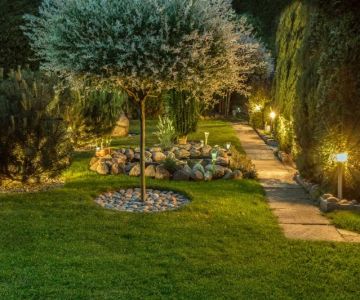
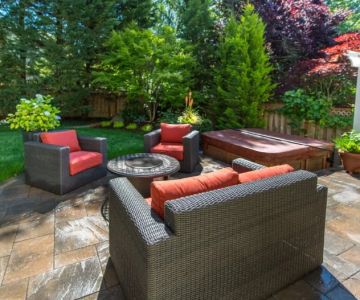
 Eco Landscaping Services, Snow Removal Services, Demolition5.0 (18 reviews)
 Roy's Lawn Care & Landscaping4.0 (7 reviews)
 Green atrium land care landscape snow removal5.0 (13 reviews)
 Shovel & Spade Landscaping5.0 (118 reviews)
 Leaf Landscaping & Hardscaping5.0 (22 reviews)
 Joe Joe's Lawn Care5.0 (18 reviews)
 How to Landscape With Large Pots and Statement Planters
 How to Choose the Right Mulch for Weed Suppression: A Complete Guide
 How Often Should You Aerate Your Lawn?
 How to Landscape Using Recycled or Reclaimed Materials | Beautiful Landscapes
 How to Cultivate a Wildflower Meadow at Home: A Step-by-Step Guide
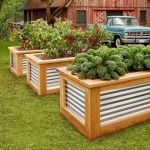 How to Build Raised Garden Beds That Last