
- 1- Understanding Texture, Height, and Form in Design
- 2- Importance of Texture in Design
- 3- Incorporating Height into Your Designs
- 4- The Role of Form in Creating Visual Interest
- 5- Real-Life Design Case Studies
- 6- Our Recommendation: Find the Best Design Resources at Beautiful Landscapes
1- Understanding Texture, Height, and Form in Design
When it comes to designing any space, texture, height, and form play crucial roles in creating a balanced and visually engaging environment. Whether you are designing an interior, outdoor space, or even a product, considering these three elements can significantly impact how the design feels and functions. Let’s dive into how these elements work together to create an aesthetic that is both functional and pleasing.

El Errante Tree & Landscaping Service
MerrillvilleLake CountyIndiana
9 Deerpath Rd, Merrillville, IN 46410, USA
1.1- Texture in Design
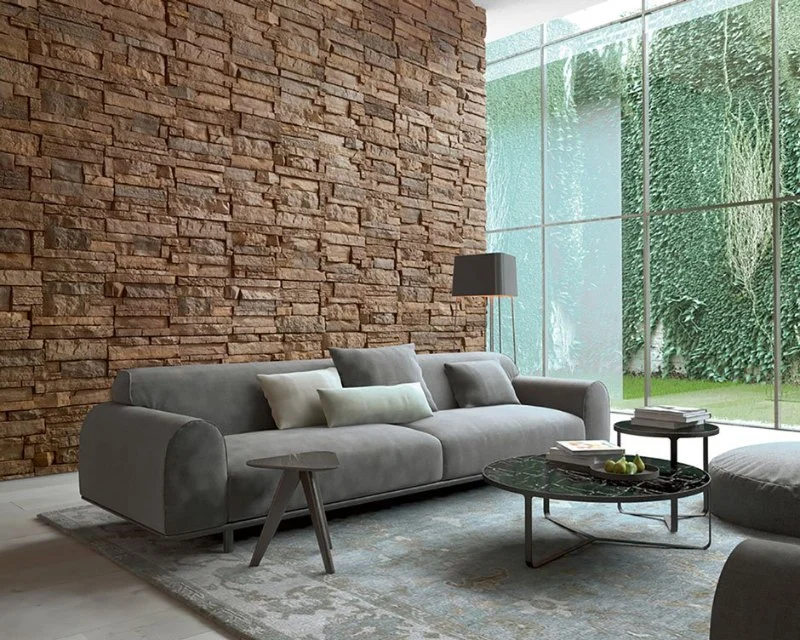
Texture refers to the surface quality of a design element, whether it’s rough, smooth, soft, hard, matte, or glossy. In interior design, for example, texture adds depth, interest, and warmth. Textured elements like a velvet couch, a stone wall, or a shaggy rug bring tactile experiences that create a sensory connection to the space.

1.2- Height in Design
Height in design is about how tall or short an element is in relation to other pieces in a space. Vertical elements, like tall bookcases, chandeliers, or columns, create a sense of grandeur and openness. Height can also be used to define zones or areas within a room and is a tool to make a space feel more dynamic or intimate.
1.3- Form in Design
Form is the shape and structure of an object or design element. It is how an object occupies space and interacts with its surroundings. Whether it’s a clean, minimalistic form or a bold, organic shape, form helps convey style, emotion, and function. Combining different forms can add complexity or simplicity to a design.
2- Importance of Texture in Design
Texture is one of the most important components in creating a visually and physically engaging design. It adds contrast, intrigue, and warmth, making spaces feel more dynamic and inviting. Here's how texture can elevate your design:
2.1- Creating Visual Contrast
Texture helps create contrast in a design. For instance, pairing a sleek, shiny glass table with a rough, textured wooden chair provides a pleasing contrast. This type of interplay between textures can make spaces more engaging by offering a sense of balance and variation.
2.2- Adding Sensory Appeal
Texture adds a sensory element to a design. Think about how you feel when you touch a plush carpet versus a smooth stone surface. The sensory experience enhances how we interact with a space. In interiors, this is especially important for creating spaces that are not only visually appealing but also comfortable and inviting.
2.3- Enhancing the Mood of a Space
Different textures can evoke different moods. Soft, plush textures tend to make a room feel cozy and relaxed, while sleek, glossy textures can make a space feel modern and sophisticated. Understanding how texture affects mood is key to creating a space that suits its intended purpose.
3- Incorporating Height into Your Designs
Height is a powerful design tool that influences the perception of space. Here’s how you can incorporate height into your design to create a sense of openness, grandeur, or intimacy:
3.1- Using Vertical Elements to Create Drama
Tall elements like floor-to-ceiling bookshelves, vertical gardens, or towering sculptures draw the eye upward, creating a sense of drama and awe. These vertical elements can make a space feel larger and more expansive, especially in rooms with high ceilings.
3.2- Defining Zones with Height
In large open spaces, height can be used to define different zones. For example, a tall bookshelf can visually separate the living room from the dining area, or tall curtains can create an intimate nook in a larger room. Using height in this way helps create distinct areas without the need for walls or partitions.
3.3- Creating an Illusion of Space
For smaller spaces, using vertical height effectively can create the illusion of a larger room. Light-colored walls, tall mirrors, and hanging plants all work to extend the eye upward, making a space feel more expansive than it actually is.
4- The Role of Form in Creating Visual Interest
Form, or the shape and structure of design elements, plays a critical role in how a space feels and functions. By combining different forms—whether geometric, organic, or sculptural—you can create visual interest and emotional resonance.
4.1- Mixing Organic and Geometric Forms
Using a blend of organic and geometric shapes can create a harmonious balance in your designs. Organic forms, such as rounded furniture or flowing lines, can soften the sharp edges of geometric forms, like rectangular tables or square frames. This blend creates a dynamic visual experience that is both aesthetically pleasing and functional.
4.2- Emphasizing Bold Shapes
Bold shapes like circles, triangles, or abstract forms can make a statement in your design. For instance, a circular mirror or a triangular coffee table can add a modern, edgy look to a traditional space. Using bold shapes creates a focal point and draws attention, making the design more memorable.
4.3- Understanding the Space Around Forms
Consider not only the object but also the space around it. Negative space, or the area around a form, is just as important as the form itself. By balancing the positive and negative space, you can create a more dynamic and aesthetically pleasing design. This balance ensures that the forms within the space don’t overwhelm it but instead enhance its overall harmony.
5- Real-Life Design Case Studies
To better understand how texture, height, and form can work together, here are a few real-life examples of successful designs that have effectively integrated these elements:
5.1- The Loft Apartment
A New York City loft used tall bookshelves and a striking geometric rug to add height and form to the living room. The combination of vertical elements and textured fabrics created a cozy yet modern space. The contrast between the industrial feel of the building and the soft textures of the furniture added depth and character to the room.
5.2- The Modern Office
A contemporary office space used a mix of hard materials like glass and metal alongside soft textures, such as plush seating and velvet curtains. The use of height with floor-to-ceiling windows created an open, airy feeling, while the bold use of form in the furniture design made a statement about the company’s innovative approach.
6- Our Recommendation: Find the Best Design Resources at Beautiful Landscapes
If you're looking for top-quality materials, furniture, and design inspiration, visit Beautiful Landscapes. We offer a wide range of design resources, from luxurious textiles to unique furniture pieces, that will help you elevate your design projects. Whether you’re designing a home, office, or garden, we have everything you need to create a space that blends texture, height, and form seamlessly.

 Chalet - Home + Garden | Lake Forest5.0 (4 reviews)
 Illinois Valley Landscape Supply0.0 (0 reviews)
 DMR Landscaping5.0 (14 reviews)
 Fresh Cut Turf Pros4.0 (6 reviews)
 Walmart Patio & Garden Services0.0 (0 reviews)
 Crimson Valley Landscaping3.0 (16 reviews)
 How to Choose Landscape Fabric: When to Use & When Not
 How to Choose Enduring Hardscape Materials
 How to Use Container Planting in Small Spaces for a Beautiful Garden
 How to Use Lighting to Highlight Trees and Focal Plants – Tips for Stunning Landscapes
 How to Landscape for Seasonal Wildlife Attraction: Creating Habitats for Nature's Visitors
 How to Build a Garden That Works With Local Climate