
- #1-why-slip-resistance-matters - Understanding the importance of safe hardscape design
- #2-factors-that-affect-slip-resistance - Surface texture, weather, and environmental conditions
- #3-natural-stone-options-for-safety - Comparing stone materials for traction
- #4-concrete-and-paver-solutions - Popular hardscape materials and their performance
- #5-pool-decks-and-wet-areas - Special considerations for moisture-prone spaces
- #6-real-world-hardscape-project-examples - Lessons from successful installations
- #7-balancing-safety-and-aesthetics - Creating beautiful and functional landscapes
- #8-maintenance-and-long-term-performance - Preserving traction over time
- #9-common-hardscape-selection-mistakes - Avoiding costly design errors
- #10-beautiful-landscapes-expert-guidance - Finding the right materials for your project
#1 Why Slip Resistance Matters
Choosing hardscape materials is about much more than appearance. While homeowners often focus on color, style, and cost, safety should be one of the most important factors in any outdoor design project. Slip-resistant hardscape materials help reduce the risk of falls and injuries, particularly in areas exposed to water, snow, ice, or frequent foot traffic.
According to safety experts, slips and falls remain one of the leading causes of injuries around residential properties. Walkways, patios, pool decks, outdoor kitchens, and garden paths can quickly become hazardous when surfaces become wet or accumulate debris. A beautiful outdoor space loses much of its value if family members and guests feel unsafe using it.
For homeowners in the United States, climate variability makes slip resistance even more important. A patio that performs well in Arizona may behave very differently in rainy Florida, snowy Colorado, or humid Georgia. Understanding how materials interact with weather conditions is the first step toward making a smart investment.
Many landscape designers have encountered situations where clients prioritized glossy finishes for aesthetic reasons, only to discover later that the surfaces became dangerously slippery after rain. These experiences demonstrate why safety and design must work together from the beginning of a project.
Precision Lawn Care
1400 E Springhill Dr ste a, Terre Haute, IN 47802, USA
#2 Factors That Affect Slip Resistance
Before selecting materials, it is important to understand what creates slip resistance in the first place. Contrary to popular belief, the material itself is only one part of the equation. Several factors influence how safe a surface will be under real-world conditions.

1. Surface Texture
Texture is one of the biggest contributors to traction. Rough or naturally textured surfaces provide better grip than highly polished materials. Even within the same category of stone or concrete, finish options can dramatically affect performance.
For example, honed granite may look elegant but can become slippery when wet. Flame-finished granite, on the other hand, offers significantly better traction due to its textured surface.
2. Water Exposure
Areas near pools, fountains, irrigation systems, and outdoor kitchens experience constant moisture. Materials selected for these locations must maintain traction even when water is present.
3. Slope and Drainage
A material with excellent slip resistance can still become unsafe if water accumulates on the surface. Proper grading and drainage design are essential components of hardscape safety.
4. Environmental Conditions
Regions with snow, ice, leaves, moss, or heavy rainfall require additional consideration. Materials that perform well in dry climates may not be suitable elsewhere.
#3 Natural Stone Options for Safety
Natural stone remains one of the most popular hardscape choices because of its durability and timeless beauty. However, not all stone surfaces provide the same level of slip resistance.
1. Bluestone
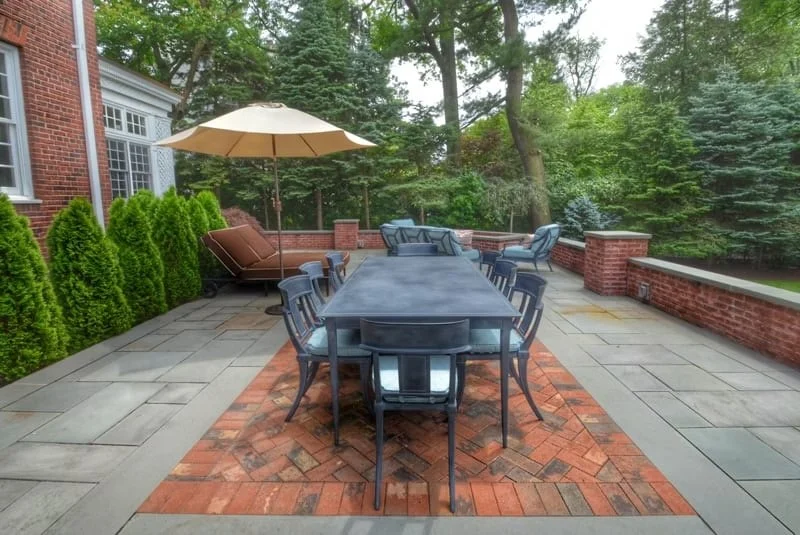
Bluestone is highly regarded for outdoor walkways and patios. Its naturally textured surface provides excellent traction, even in wet conditions. Many landscape architects recommend bluestone for residential pathways because it balances safety and visual appeal.
2. Sandstone
Sandstone often performs well in slip resistance due to its naturally rough texture. It also stays relatively cool under direct sunlight, making it a strong choice for poolside applications.
3. Slate
Slate offers natural texture variations that contribute to good traction. However, some slate products can become smoother over time, so proper maintenance is essential.
4. Granite
Granite can be either highly slip-resistant or surprisingly slippery depending on the finish. Flame-treated granite typically provides excellent traction, while polished granite should generally be avoided in outdoor walking areas.
Homeowners often choose natural stone because it ages beautifully while maintaining structural integrity for decades. When selected carefully, it can provide both elegance and safety.
#4 Concrete and Paver Solutions
Concrete and pavers remain among the most widely used hardscape materials in America due to their affordability, versatility, and durability.
1. Broom-Finished Concrete
A broom finish creates subtle grooves across the surface, significantly improving traction. This finish is commonly used for sidewalks, driveways, and patios because it combines safety with cost-effectiveness.
2. Stamped Concrete
Stamped concrete can mimic stone, brick, or tile. However, some stamped patterns become slippery when sealed improperly. Selecting a textured pattern and appropriate sealer helps preserve slip resistance.
3. Interlocking Concrete Pavers
Pavers are among the safest hardscape options available. Their textured surfaces and joint spacing naturally improve traction. Additionally, individual pavers can be replaced easily if damaged.
A landscape contractor in North Carolina shared a project involving a family with young children and elderly grandparents. Interlocking pavers were selected for pathways and gathering spaces because they provided both stability and visual appeal. Years later, the installation continued to perform exceptionally well with minimal maintenance.
#5 Pool Decks and Wet Areas
Pool decks represent one of the most demanding environments for hardscape materials. Constant water exposure means slip resistance must be a top priority.
1. Travertine
Travertine is frequently recommended for pool areas because of its naturally textured surface and ability to remain cool under sunlight. Its porous structure helps maintain traction even when wet.
2. Textured Concrete Pavers
Specially designed pool pavers often feature slip-resistant finishes that perform well under heavy use.
3. Rubberized Surfaces
Although less traditional, rubberized paving systems offer exceptional slip resistance and cushioning, making them attractive for families with children.
In recent years, luxury outdoor living trends have increasingly emphasized safety alongside aesthetics. Pool designers now routinely discuss traction ratings and surface testing as part of the planning process.
#6 Real-World Hardscape Project Examples
One homeowner in Oregon installed polished stone around a backyard entertainment area because of its modern appearance. During the rainy season, guests frequently slipped while walking between the patio and garden.
After consulting landscape professionals, the homeowner replaced the polished surfaces with textured pavers. The transformation dramatically improved safety while preserving the property's visual appeal.
Another example involved a retirement community in Arizona. Designers prioritized slip-resistant walkways throughout the property, recognizing that resident safety was essential. By selecting textured concrete pavers and ensuring proper drainage, the community significantly reduced slip-related incidents.
These examples demonstrate that thoughtful material selection can prevent costly modifications later.
#7 Balancing Safety and Aesthetics
Many homeowners worry that prioritizing safety means sacrificing beauty. Fortunately, modern hardscape products offer numerous options that combine both qualities.
Manufacturers now produce pavers and stone finishes specifically engineered to provide high traction while maintaining sophisticated appearances. Advances in manufacturing technology have made it easier than ever to create outdoor spaces that are both visually impressive and safe.
Design Strategies That Work
1. Combine textured walkways with decorative borders.
2. Use contrasting colors to improve visibility.
3. Incorporate lighting to enhance nighttime safety.
4. Select materials appropriate for local climate conditions.
The most successful landscapes often achieve a balance where safety features feel natural rather than obvious.
#8 Maintenance and Long-Term Performance
Even the best slip-resistant materials require ongoing maintenance. Dirt, algae, moss, and organic debris can reduce traction over time.
Regular cleaning helps preserve performance. Pressure washing, sweeping, and removing leaves are simple tasks that significantly improve safety.
Sealants also require careful consideration. Some sealers enhance appearance but reduce traction. Homeowners should choose products specifically formulated for slip-resistant applications.
Routine inspections allow property owners to identify areas where wear, erosion, or settlement may create hazards. Addressing issues early helps avoid expensive repairs.
#9 Common Hardscape Selection Mistakes
One of the most common mistakes is choosing materials based solely on appearance. While photographs and showroom displays may be attractive, they rarely reflect real-world performance in wet conditions.
Another mistake is ignoring climate considerations. A material that works perfectly in Southern California may not be ideal for regions that experience freezing temperatures and snow.
Homeowners also frequently underestimate the importance of professional installation. Even high-quality materials can become hazardous if installed improperly.
Finally, some people overlook maintenance requirements. Understanding how a material will perform over years of exposure helps prevent disappointment and safety concerns later.
#10 Beautiful Landscapes Expert Guidance
Selecting the right hardscape materials requires balancing aesthetics, durability, budget, and safety. Beautiful Landscapes helps homeowners evaluate these factors to create outdoor spaces that are both attractive and functional.
From slip-resistant pavers and natural stone recommendations to drainage planning and maintenance guidance, Beautiful Landscapes provides valuable insights for projects of every size. Whether you are designing a new patio, upgrading a pool deck, or creating accessible walkways, informed decisions can significantly improve both safety and long-term satisfaction.
The best outdoor spaces are not simply beautiful when first installed. They continue performing year after year, protecting family members, guests, and property value. By understanding slip resistance and selecting appropriate materials, homeowners can create landscapes that remain safe, comfortable, and visually impressive for decades.
 Vince Landscaping5.0 (51 reviews)
 C&M Property Managers0.0 (0 reviews)
 E&O Landscaping5.0 (9 reviews)
 Full Pull Construction4.0 (12 reviews)
 J&M Landscaping Group5.0 (1 reviews)
 Martinez & son LLC Lawncare and snow removal4.0 (4 reviews)
 How to Turn a Sloped Yard Into a Usable Outdoor Space
 How to Rejuvenate an Overgrown Garden on a Budget
 How to Plant for Delayed Blooming to Extend Season
 How to Choose Landscape Lighting That Isn’t Overpowering
 How to Install a French Drain to Resolve Water Issues | Easy Guide
 How to Grow Climbing Plants on Pergolas & Trellises