
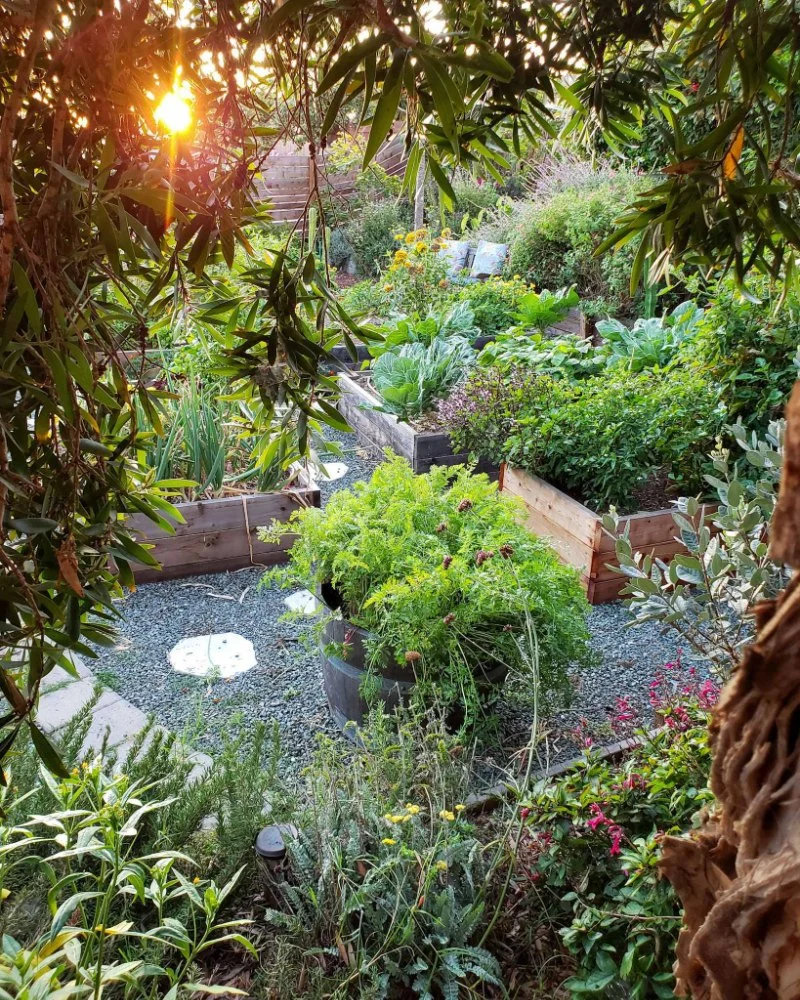
- 1 - assessing-your-backyard-environment - soil sun water and existing plants
- 2 - understanding-native-plants-and-their-benefits - choosing the right species
- 3 - removing-invasive-species-safely - methods to protect native ecosystems
- 4 - real-gardener-story-backyard-transformation - case of successful habitat restoration
- 5 - creating-wildlife-friendly-spaces - birdhouses, pollinator gardens, and shelters
- 6 - soil-and-water-management-for-native-habitats - composting, mulching, irrigation
- 7 - seasonal-tips-for-maintaining-native-gardens - adjusting care through the year
- 8 - community-and-professional-resources - local nurseries, workshops, and Beautiful Landscapes support
- 9 - eco-friendly-gardening-tools-and-practices - sustainable equipment and methods
- 10 - long-term-vision-for-backyard-habitat-restoration - tracking growth and biodiversity
1. Assessing Your Backyard Environment
The first step in how to restore native habitat in your backyard is understanding your garden’s unique environment. Evaluate soil type, sunlight exposure, existing vegetation, and moisture levels. These factors influence which native species will thrive and how to design the habitat effectively.

Soil Assessment
Healthy soil is the foundation for any backyard restoration project. Conduct a simple soil test to determine pH levels, nutrient content, and drainage patterns. Knowing this allows you to select plants that will naturally flourish without excessive intervention.
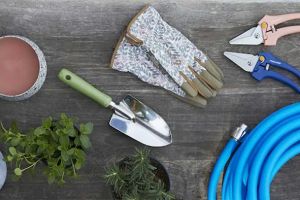
Sun and Water Analysis
Observe sun patterns and water availability throughout the day and seasons. Some native plants prefer full sun, while others thrive in shaded areas. Proper placement enhances plant survival and supports local wildlife.
2. Understanding Native Plants and Their Benefits
Choosing the right native plants is central to successful habitat restoration. Native species provide essential food and shelter for birds, insects, and small mammals. They also require less maintenance and resist local pests naturally.
Plant Selection Tips
Start with locally recommended trees, shrubs, grasses, and flowering plants. For example, in a Portland backyard, species like Oregon grape, Red-osier dogwood, and native ferns can create a diverse and resilient ecosystem.
3. Removing Invasive Species Safely
Invasive plants compete with native species for resources. Removing them is crucial to give native plants a chance to establish. Techniques include manual removal, smothering with mulch, and careful pruning.
Precautions During Removal
Avoid chemical herbicides whenever possible. Physical removal methods maintain soil health and prevent harm to beneficial insects and wildlife. Always remove roots fully to prevent regrowth.
4. Real Gardener Story: Backyard Transformation
A family in Oregon shared how they transformed a suburban backyard into a thriving native habitat. Initially overrun with invasive grass and ornamental shrubs, they began by removing non-native plants, adding compost-enriched soil, and planting a mix of native flowers and shrubs.
Outcome
Within two years, the backyard attracted native bees, butterflies, and songbirds. Neighbors were inspired to start similar projects, highlighting the power of visible ecological restoration.
5. Creating Wildlife-Friendly Spaces
Enhancing your backyard for wildlife involves providing food, water, and shelter. Pollinator gardens with native flowers attract bees and butterflies, while birdhouses and small brush piles create nesting opportunities for birds and small mammals.
Water Features
Small ponds or shallow water basins help attract frogs, dragonflies, and birds. Ensure water sources are maintained safely to prevent mosquito breeding.
6. Soil and Water Management for Native Habitats
Healthy soil and proper watering support native plants without over-reliance on fertilizers or chemicals. Mulching conserves moisture, reduces weeds, and adds organic matter. Compost enriches soil naturally, supporting a diverse microbial ecosystem.
7. Seasonal Tips for Maintaining Native Gardens
Backyard habitat restoration requires year-round attention. Spring is ideal for planting and soil enrichment, summer for monitoring water needs and mulching, fall for pruning and preparing for winter dormancy, and winter for planning the next growing season.
8. Community and Professional Resources
Leverage local nurseries, workshops, and native plant societies to select the best species for your area. Beautiful Landscapes offers guidance and products to support backyard habitat projects, helping gardeners create sustainable, wildlife-friendly spaces.
9. Eco-Friendly Gardening Tools and Practices
Using sustainable gardening tools enhances the restoration process. Hand tools, compost bins, rain barrels, and drip irrigation systems reduce environmental impact while improving efficiency.
10. Long-Term Vision for Backyard Habitat Restoration
Restoring native habitat is an ongoing commitment. Track plant growth, observe wildlife, and adjust care as needed. Long-term maintenance ensures a balanced ecosystem and maximizes biodiversity, creating a backyard that thrives naturally for years to come.
Through careful planning, native plant selection, and sustainable practices, anyone can learn how to restore native habitat in your backyard and enjoy a beautiful, ecologically balanced garden.



 Green Pine Landscaping Inc.5.0 (5 reviews)
 Midwest Landscape Industries, Inc.3.0 (30 reviews)
 G&S Trucking & Excavating5.0 (2 reviews)
 Wrede & Sons Excavating Inc & Wrede Rocks Monticello4.0 (65 reviews)
 Greene Thumb Landscape4.0 (8 reviews)
 D.R.K Services LLC5.0 (4 reviews)
 How to Deal With Poor Soil: Amendments & Improvements for Better Gardening
 How to Use Native Trees to Boost Property Value
 Lazy Lawn Care: How to Maintain Grass with Minimal Effort
 How to Create a Courtyard Garden With Limited Space
 Xeriscaping 101: Save Water & Create a Beautiful Yard
 How to Design a Kid-Friendly Garden Space: Tips and Ideas