
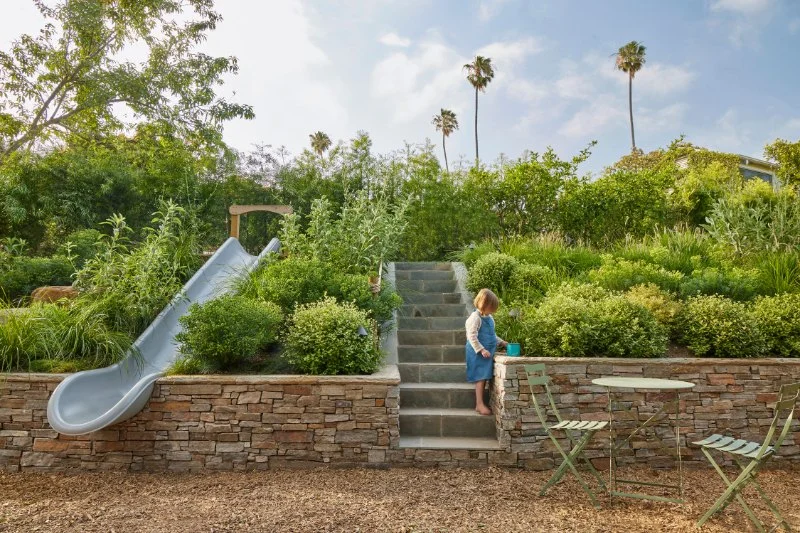
- Importance of a Kid-Friendly Garden
- Key Elements of Designing a Kid-Friendly Garden
- Choosing Plants for a Kid-Friendly Garden
- Safety Considerations for Children in the Garden
- Practical Tips and Real-Life Examples
- Recommendations from Beautiful Landscapes
Importance of a Kid-Friendly Garden
Designing a kid-friendly garden is more than just about aesthetics; it's about creating a space where children can engage with nature, learn, and play safely. A garden designed with children in mind can provide a wonderful environment for them to explore, experiment, and connect with the outdoors. It's also an opportunity to teach kids about plants, wildlife, and sustainability while keeping them active and entertained.

Key Elements of Designing a Kid-Friendly Garden
When it comes to designing a garden for kids, certain elements are essential to ensure the space is engaging, safe, and educational. Here are the most important design aspects to consider:
- Outdoor Play Zones: A dedicated play area, whether it’s a sandbox, swing set, or a treehouse, provides a space for kids to be active and imaginative. Be sure to keep this area separated from the more delicate plant beds.
- Interactive Features: Incorporating features that kids can interact with, like water fountains, butterfly gardens, or a vegetable patch, encourages curiosity and learning.
- Accessible Pathways: Paths that are wide enough for kids to run and explore safely allow for freedom of movement. Consider using safe, natural materials like mulch or rubberized tiles for soft, non-slip paths.
- Seating and Relaxation Areas: Comfortable seating for parents and guardians provides a space for adults to supervise while children play, ensuring safety while allowing for family interaction.
Choosing Plants for a Kid-Friendly Garden
When selecting plants for a kid-friendly garden, it's important to focus on both safety and engagement. Here’s how you can choose plants that will be both fun and safe for children:
- Edible Plants: Including fruits, vegetables, and herbs in the garden can teach kids about healthy eating. Crops like strawberries, carrots, or tomatoes are easy to grow and can be a great way to introduce children to gardening.
- Non-Toxic Plants: Make sure to avoid plants that are toxic to children. Opt for safe, non-toxic plants like sunflowers, marigolds, or zinnias. Always check for plant toxicity before planting, especially if your kids tend to put things in their mouths.
- Interactive Plants: Choose plants that engage the senses. For example, lavender offers a wonderful scent, while mint leaves provide a refreshing aroma that kids will love touching and smelling.
Safety Considerations for Children in the Garden
While gardens are great for kids, safety is a top priority. Here are some safety measures to consider when designing a child-friendly garden:
- Remove Harmful Chemicals: Avoid using harsh pesticides, fertilizers, or herbicides. Organic gardening methods are safer and better for both children and the environment.
- Edge and Corner Protection: Gardens should be designed with safety in mind. Ensure that sharp edges, garden tools, or heavy objects are out of reach, and add padding to any hard corners or surfaces that children may fall against.
- Supervised Water Features: If you include a water feature, make sure it’s shallow and under constant supervision to prevent accidents. Fountains and ponds are beautiful, but they need to be safe.
Practical Tips and Real-Life Examples
To better illustrate the design of a kid-friendly garden, here are a few practical tips and real-life examples that can inspire your garden project:
- Creating a Sensory Garden: Sensory gardens, filled with plants that engage all five senses, are perfect for children. You can include herbs like basil (smell), sunflowers (sight), and textured plants like lamb’s ear (touch). These types of gardens encourage exploration and interaction with nature.
- Edible Garden Adventures: Sarah and her family turned their backyard into an edible garden where the kids could harvest tomatoes, strawberries, and herbs. Not only did it teach the kids about gardening, but they also gained a greater appreciation for the food they eat.
- Interactive Water Play: The Jackson family created a small water feature with a fountain and shallow stream, where kids could safely splash and play. This feature not only provided hours of fun but also attracted local birds and butterflies, creating a small wildlife haven.
Recommendations from Beautiful Landscapes
Looking for more ideas or products to help create a kid-friendly garden? Visit Beautiful Landscapes for expert recommendations on plants, garden tools, and outdoor play equipment that will enhance your family’s outdoor space. Whether you're looking for safe garden furniture, educational gardening kits, or stylish garden decor, our selection is designed to inspire your creativity and bring your vision to life.


 ARO Landscaping LLC5.0 (23 reviews)
 Fresh Start Lawn Service LLC5.0 (7 reviews)
 Maya-Bruns Landscaping4.0 (14 reviews)
 Serrano-Wunderlich Landscaping3.0 (9 reviews)
 TruGreen Lawn Care4.0 (223 reviews)
 AJD Landscaping4.0 (113 reviews)
 How to Landscape a Narrow Driveway Strip
 How to Design for Noise Reduction Using Landscape Elements
 How to Combine Rustic and Modern Elements in Landscape Design
 How to Use Decorative Gravel & Stone Finishes for Stunning Landscapes
 How to Cultivate a Wildflower Meadow at Home: A Step-by-Step Guide
 How to Landscape a Front Yard for Maximum Curb Appeal: Expert Tips and Ideas