
- - choosing backyard location and energy flow
- - designing natural layout and landscape harmony
- - selecting plants and sensory elements
- - meditation seating and focal points
- - lighting, sound, and atmosphere
- - personalization and spiritual aesthetics
- - maintenance and seasonal care
- - real-life transformation story
Choosing the Right Corner of Your Backyard for Inner Stillness
Creating a meditation backyard space begins long before any physical design takes shape. It starts with observation. Every backyard has a unique rhythm—some corners receive gentle morning sunlight, while others stay shaded and quiet throughout the day. The goal is not simply to pick an empty spot, but to identify an area where the natural environment already feels calm and undisturbed.
Many homeowners overlook how much influence subtle environmental factors have on mindfulness. A space near a fence with dense greenery might naturally block distractions from neighbors. A corner beneath a tree canopy can create a sense of enclosure, making it easier for the mind to settle. In contrast, an open and noisy area near a street may constantly pull attention outward. When learning how to create a meditation space in your backyard, choosing the right location is the foundation of everything that follows.
In recent years, wellness designers have emphasized the importance of “energy flow” in outdoor environments. While interpretations vary, the idea is simple: a space should feel uninterrupted, balanced, and naturally inviting. Even a small backyard can transform dramatically when the meditation zone is placed with intention rather than convenience.

Designing Natural Layouts That Feel Effortless and Grounded
Once the ideal location is identified, the next step is shaping the physical layout of the backyard meditation garden. Unlike traditional landscaping, which often focuses on symmetry and decoration, a mindful outdoor design prioritizes emotional experience. Paths should feel soft and intuitive rather than rigid or overly structured.
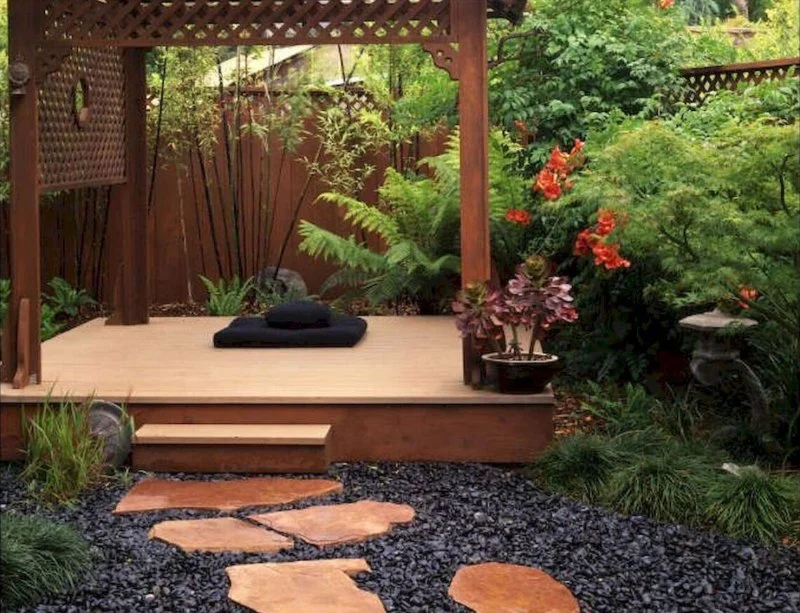
Curved walkways made of natural stone or gravel can subtly guide movement while slowing down the pace of walking. This gentle transition from the outer world into a dedicated mindfulness outdoor space helps signal to the brain that something different is happening. Even small design choices—such as leaving edges slightly irregular or integrating natural soil transitions—can make the environment feel more organic and calming.
One homeowner in California shared how transforming a narrow, unused strip along their garden fence into a winding meditation path completely changed their daily routine. Instead of scrolling on their phone after work, they now walk barefoot along the path for ten minutes each evening. That shift alone improved their sleep quality and reduced stress levels significantly.

Integrating Plants That Support Calmness and Sensory Balance
Plants are not just decoration in a backyard relaxation space; they are living participants in the experience. Certain plants contribute to visual softness, while others enhance scent, texture, and even sound. Lavender, for example, is often used in peaceful garden design due to its calming fragrance and gentle color palette. Bamboo introduces soft movement and sound as it sways in the wind, adding a subtle auditory layer to meditation.
The selection of greenery should not feel overwhelming. Instead of filling every corner, thoughtful spacing allows each plant to breathe and be noticed. A natural meditation garden benefits from contrast—tall grasses paired with low ground cover, flowering plants beside evergreen shrubs, and occasional open soil areas that provide visual rest.
In a widely shared story from a mindfulness retreat in Oregon, designers intentionally avoided perfect landscaping symmetry. Instead, they created slightly unpredictable plant groupings. Visitors consistently reported feeling more “present” and less mentally distracted in that environment. This highlights an important truth: nature does not need perfection to feel peaceful.
Creating a Meditation Seating Area That Invites Stillness
At the heart of any outdoor meditation area design is the seating arrangement. This is where the actual practice happens, so comfort and intention must work together. Seating does not need to be elaborate. A simple wooden bench, a natural stone slab, or even a cushioned mat placed on a wooden platform can be enough.
What matters more than the material is orientation. Many practitioners prefer facing east to receive morning light, while others choose to face a focal point such as a tree, water feature, or garden sculpture. This focal element helps anchor attention when the mind begins to wander.
Some modern zen backyard ideas incorporate circular seating layouts, encouraging a sense of containment and protection. Others use minimalistic arrangements where the seating almost disappears into the landscape. The key is ensuring that the space does not feel like furniture placed in a garden, but rather an integrated part of the environment itself.
Light, Sound, and Atmosphere That Shape Emotional Experience
A truly effective meditation backyard space engages more than just sight. Light and sound play essential roles in shaping emotional response. Morning sunlight filtering through leaves creates a natural rhythm that supports early mindfulness practice. As the day progresses, shadows shift, offering a visual reminder of time’s gentle movement.
Sound is equally powerful. A small water feature can introduce consistent, soothing background noise that masks urban distractions. Even without water elements, natural soundscapes such as rustling leaves or distant bird calls contribute significantly to relaxation.
In urban environments, some people incorporate subtle wind chimes or natural fabric installations that move with airflow. However, restraint is important. Overstimulating the senses can undermine the purpose of a mindfulness outdoor space. The goal is harmony, not decoration overload.
Personalizing the Space Without Disrupting Its Natural Balance
Personalization gives meaning to a backyard meditation garden. It transforms a well-designed outdoor area into something emotionally significant. This might include a meaningful stone collected during travel, a small sculpture, or a symbolic object placed discreetly within the environment.
However, restraint is essential. Over-personalization can shift focus away from mindfulness and toward visual distraction. The most effective designs often include just one or two intentional focal pieces that carry emotional or symbolic weight.
A designer featured in a wellness magazine once described a project where a client placed a single handcrafted ceramic bowl in the center of their meditation area. That simple object became a daily grounding point, reminding them to slow down and breathe. The simplicity of that choice was what made it powerful.
Maintaining a Living Space That Evolves With the Seasons
A natural meditation garden is not static. It changes with time, weather, and seasons. Maintenance is not just about cleanliness—it is about preserving emotional harmony. Fallen leaves can either be seen as clutter or as part of the natural cycle of the space. Many mindful gardeners choose to leave certain natural elements undisturbed to maintain authenticity.
Seasonal changes also offer opportunities for subtle redesign. In spring, fresh flowers may become the focal point. In autumn, warm colors shift the emotional tone of the space. Even winter can provide a unique minimalist beauty when structures and branches are exposed.
Those who regularly engage in outdoor meditation often report that seasonal variation deepens their practice. It reminds them that stillness is not about permanence, but about presence in each moment.
A Real Backyard Transformation Inspired by Everyday Stress
A well-documented case involved a software engineer living in a busy suburban area who struggled with burnout and constant mental fatigue. Instead of taking extended vacations, they decided to redesign a small section of their backyard into a dedicated outdoor meditation area design.
The transformation was modest: a shaded corner was cleared, a simple stone pathway was added, and a small seating platform was installed under a mature tree. Over time, they introduced soft grasses and a small water bowl that reflected light during sunrise.
Within weeks, the routine of stepping outside each morning became a stabilizing ritual. The individual reported improved focus at work, reduced anxiety, and a stronger sense of emotional balance. What made this case compelling was not the scale of transformation, but its simplicity. It demonstrated that learning how to create a meditation space in your backyard does not require luxury—it requires intention.
For those exploring deeper inspiration or professional guidance, platforms like Beautiful Landscapes offer ideas and resources that help align design choices with personal lifestyle needs. The emphasis is always on creating environments that feel natural, calming, and genuinely livable.
 Matt's Lawn Care & Landscaping3.0 (33 reviews)
 Knollcrest Landscape Design5.0 (2 reviews)
 Krumrie Tree Service3.0 (10 reviews)
 Ackley's Property Services LLC5.0 (20 reviews)
 TruGreen Lawn Care4.0 (983 reviews)
 Olaf Landscapng Inc3.0 (6 reviews)
 How to Design a Courtyard With Water-Wise Plants for Sustainable Beauty
 Best Ground Cover Plants to Suppress Weeds Naturally for Healthy Gardens
 How to Landscape Around a Retaining Wall
 How to Incorporate Water Features Without Overpowering Your Landscape
 How to Use Perennial Borders to Frame Walkways: Tips for Stunning Garden Designs
 How to Predict Plant Growth & Spread in 5 Years