
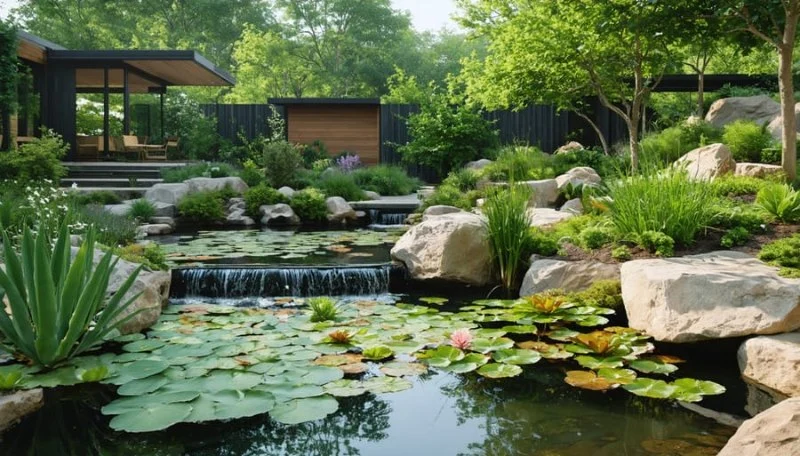
- 1 - Understanding Water-Wise Courtyards - Principles and Benefits
- 2 - Selecting the Right Water-Wise Plants
- 3 - Layout and Layering Strategies for Visual Appeal
- 4 - Integrating Features and Accessories
- 5 - Practical Examples and Case Studies
- 6 - Maintenance Tips for Long-Lasting Beauty
1. Understanding Water-Wise Courtyards - Principles and Benefits
Designing a courtyard with water-wise plants focuses on creating a beautiful, functional outdoor space that conserves water and requires minimal maintenance. These courtyards are ideal for regions prone to drought or homeowners looking to reduce their environmental footprint.
The principles of water-wise courtyard design include using native and drought-tolerant plants, grouping plants with similar water needs, incorporating efficient irrigation systems, and planning for soil health. The benefits go beyond water conservation, providing visual interest, promoting biodiversity, and reducing upkeep costs.
2. Selecting the Right Water-Wise Plants
2.1 Native Plants
Native plants are naturally adapted to your region's climate and soil, making them inherently water-efficient. For example, California poppies or lavender thrive in low-water conditions while adding vibrant colors to the courtyard.
2.2 Succulents and Drought-Tolerant Perennials
Succulents such as agave, echeveria, or sedum store water in their leaves, making them perfect for dry courtyards. Perennials like yarrow, salvia, or Russian sage provide long-lasting beauty with minimal irrigation.
2.3 Plant Grouping for Efficiency
Group plants with similar water requirements together to streamline irrigation and prevent overwatering. This technique also enhances the aesthetic cohesion of your courtyard.
3. Layout and Layering Strategies for Visual Appeal
3.1 Foreground, Midground, and Background Plants
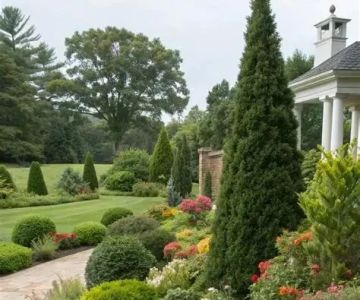
Arrange plants in layers to create depth and dimension. Low groundcovers or ornamental grasses in the foreground, mid-height flowering plants in the center, and taller shrubs or small trees in the background enhance visual interest.
3.2 Focal Points and Hardscaping
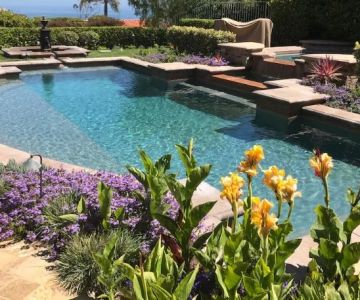
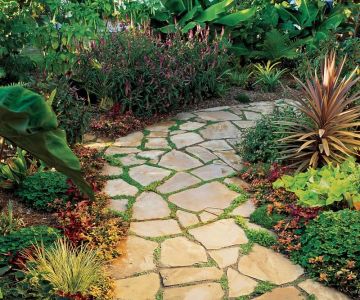
Introduce focal points such as a fountain, sculpture, or a decorative bench. Complement these with pathways, gravel, or stone elements to unify the courtyard while keeping it water-wise.
3.3 Seasonal Variation
Choose plants that bloom in different seasons to maintain year-round appeal. This approach ensures that your courtyard remains lively without compromising water efficiency.
4. Integrating Features and Accessories
4.1 Efficient Irrigation Systems
Drip irrigation or soaker hoses deliver water directly to the root zone, reducing evaporation and water waste. Pair this with mulch to retain soil moisture and prevent weed growth.
4.2 Mulching and Soil Improvement
Use organic mulch to conserve water, regulate soil temperature, and gradually enrich soil fertility. Healthy soil enhances plant resilience and reduces the need for supplemental irrigation.
4.3 Outdoor Furniture and Shade
Select drought-tolerant plants around seating areas and incorporate shade elements such as pergolas or umbrellas to create a comfortable courtyard environment.
5. Practical Examples and Case Studies
A Beautiful Landscapes project in Southern California transformed a compact urban courtyard into a sustainable oasis. By using a mix of succulents, lavender, and ornamental grasses combined with a drip irrigation system, the courtyard now thrives with minimal water usage.
Another example in Arizona demonstrated how layering low-water plants with strategically placed gravel pathways and a small fountain created depth, balance, and a serene ambiance while remaining drought-conscious. These real-world cases highlight how thoughtful plant selection and layout strategies can achieve both beauty and sustainability.
6. Maintenance Tips for Long-Lasting Beauty
6.1 Regular Pruning and Deadheading
Maintain plant health and visual appeal by removing spent flowers and trimming overgrown foliage. This practice encourages new growth and preserves the courtyard’s design integrity.
6.2 Seasonal Adjustments
Monitor plant needs throughout the year, adjusting irrigation during rainy or dry periods. Replace any underperforming plants with drought-tolerant alternatives to maintain overall courtyard efficiency.
6.3 Expert Guidance
Consulting with professionals like Beautiful Landscapes ensures your courtyard design maximizes aesthetic appeal, plant health, and water conservation. Their expertise can help select the perfect plants and layout for your space.
 Walmart Patio & Garden Services0.0 (0 reviews)
 Smart Lawn Care Solutions LLC5.0 (1 reviews)
 The John Henry Companies4.0 (7 reviews)
 Sandy Beach Lighting & Design Co.5.0 (56 reviews)
 JR Landscaping Services4.0 (14 reviews)
 The Mulch Guy4.0 (16 reviews)
 How to Incorporate Steps & Elevation Into Design
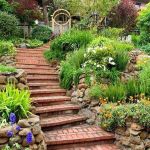 How to Build Garden Steps That Look Natural
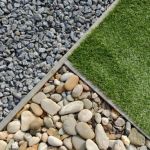 How to Use Decorative Gravel & Stone Finishes for Stunning Landscapes
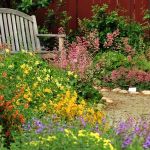 How to Design an Entryway With Native and Pollinator Plants
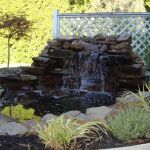 How to Use Subtle Water Features Without Overhead Noise
 How to Design a Landscape That Complements Architecture: Expert Tips and Ideas