
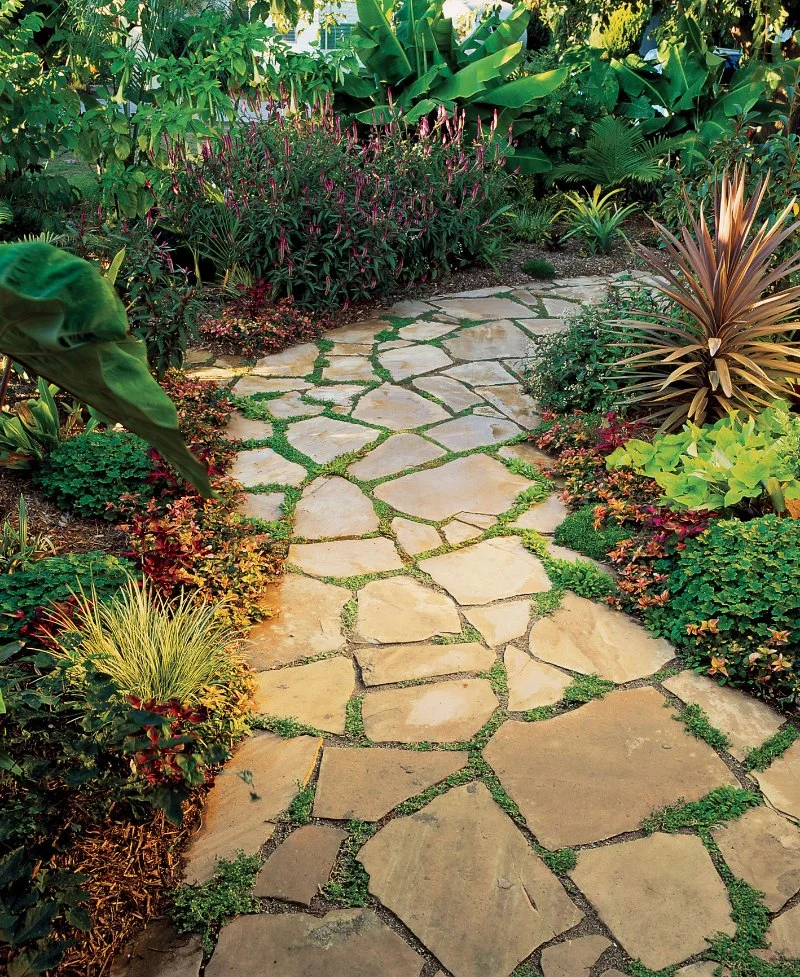
1. Introduction: Why Choose Natural Pavers for Your Garden Walkway
Building a garden walkway with natural pavers is a fantastic way to enhance your outdoor space. Not only do natural stone pavers offer a timeless, rustic aesthetic, but they are also durable and functional. A well-designed walkway can guide visitors through your garden, protect your plants, and provide a safe, level surface for walking. Whether you're looking for a DIY project or professional assistance, natural pavers offer a great option for any garden style.
2. What Are Natural Pavers?
Natural pavers are stones or rocks that are quarried from the earth in their natural form, rather than being manufactured or artificially created. They include materials such as flagstone, slate, granite, limestone, and sandstone. These stones come in a variety of shapes, colors, and textures, which makes them ideal for creating a customized and unique garden walkway. Their natural variations can bring a beautiful, organic feel to your garden design.
3. Benefits of Using Natural Pavers for Your Walkway
3.1. Aesthetic Appeal
Natural pavers offer an unmatched aesthetic quality due to their unique textures and colors. Whether you choose the earthy tones of flagstone or the sleek, polished look of slate, natural stones add a sophisticated, timeless appeal to your garden. These materials blend seamlessly with the surrounding landscape, helping to create a natural, organic flow between your outdoor spaces.
3.2. Durability
Natural pavers are incredibly durable, capable of withstanding the elements for many years without deteriorating. They are resistant to cracking, fading, and weathering, making them an excellent choice for high-traffic areas like walkways. Unlike some manufactured paving materials, natural stone holds up well under harsh conditions, including extreme heat, cold, and rain.
3.3. Eco-Friendly
Since natural pavers are quarried directly from the earth without the need for artificial manufacturing, they are considered an eco-friendly option. Additionally, many natural stones are locally sourced, reducing the environmental impact associated with transportation and production. If you're looking to create a sustainable landscape, natural pavers are an excellent choice.
4. Planning Your Garden Walkway Design
4.1. Choose the Right Path Shape
The first step in designing your garden walkway is deciding on its shape. Do you want a straight, symmetrical path, or are you looking for a more meandering, organic design? A straight path can create a more formal look, while a curving path adds a natural, winding feel to your garden. Consider the layout of your garden and the flow of foot traffic to determine the best shape for your walkway.
4.2. Select the Right Pavers
Once you've decided on the path shape, the next step is choosing the right natural pavers. Consider the color, texture, and thickness of the stones to ensure they complement your garden's existing features. For a more rustic look, try flagstone or slate, while limestone and granite can give your walkway a more refined, polished appearance. If your garden is already filled with lush greenery, earthy-toned pavers like sandstone or bluestone will blend beautifully with the surroundings.
4.3. Plan for Proper Drainage
Proper drainage is crucial for ensuring your walkway remains in good condition for years to come. Natural pavers should be laid with gaps between the stones to allow water to flow through and prevent puddling. Consider grading the soil underneath the walkway to direct water away from the path and your garden. If you're unsure how to create proper drainage, it's worth consulting a landscaping professional to ensure long-lasting results.
5. Step-by-Step Guide to Building Your Garden Walkway
5.1. Gather Materials
Before you start, you'll need to gather the following materials:
- Natural pavers of your choice (stone, slate, etc.)
- Shovel
- Level
- Sand or gravel for the base
- Landscape fabric (optional)
- Rubber mallet
- Measuring tape
- Gloves and safety goggles
5.2. Prepare the Ground
Start by marking the area where you want your walkway to be. Use a shovel to remove any grass, weeds, or debris from the area. Next, dig a shallow trench where the pavers will sit, making sure to level the ground. Add a layer of gravel or sand to create a stable base for your pavers. If you want to prevent weeds from growing through your walkway, lay landscape fabric over the base before adding the pavers.
5.3. Lay the Pavers
Once your base is prepared, it's time to start laying the pavers. Start at one end of the walkway and place the first paver down, making sure it's level. Continue placing the pavers along the path, leaving small gaps between them for drainage. Use a rubber mallet to tap the pavers into place and adjust them as needed. Make sure each paver is level with the others for a smooth, even surface.
5.4. Fill the Gaps
After all the pavers are laid, fill the gaps between them with sand or gravel. This will help secure the stones in place and prevent them from shifting. Sweep the sand into the gaps and use a level to check that the pavers are still aligned. Finally, water the walkway to settle the sand and make sure the pavers are stable.
6. Tips for Maintaining Your Garden Walkway
6.1. Regular Cleaning
To keep your garden walkway looking its best, clean it regularly to remove dirt, leaves, and debris. You can use a broom or a hose to wash the surface. For stubborn stains, use a mild detergent and a soft brush.
6.2. Weed Control
Weeds can sometimes grow between the pavers, so it's important to monitor your walkway for unwanted plants. If you notice weeds, pull them by hand or use an eco-friendly weed killer to keep your walkway looking tidy.
7. Conclusion: Transform Your Garden with a Natural Paver Walkway
Building a garden walkway with natural pavers is a rewarding project that can greatly enhance the beauty and functionality of your outdoor space. With careful planning, the right materials, and a step-by-step approach, you can create a walkway that adds charm and practicality to your garden for years to come. If you're looking for the best products to complete your landscaping project, visit Beautiful Landscapes for recommendations on pavers, tools, and other gardening essentials.

 First Responders Outdoor Services LLC5.0 (7 reviews)
 Confluence Habitats LLC5.0 (21 reviews)
 Parkland, Landscape Management LLC4.0 (6 reviews)
 Beltran Landscaping5.0 (2 reviews)
 Wingren Landscape3.0 (29 reviews)
 Aspen Landscapes, Inc4.0 (39 reviews)
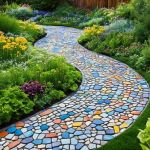 How to Build a Stone Pathway With a Natural Flow
 How to Landscape Around a Retaining Wall
 How to Use Layers of Planting to Create Depth and Balance in Your Garden
 How to Use Moss & Ferns in Shady Landscapes for Beautiful Gardens
 How to Revive Dead Grass: A Complete Step-by-Step Guide to Lawn Care
 How to Build a Dry Creek Bed for Drainage & Visual Appeal