
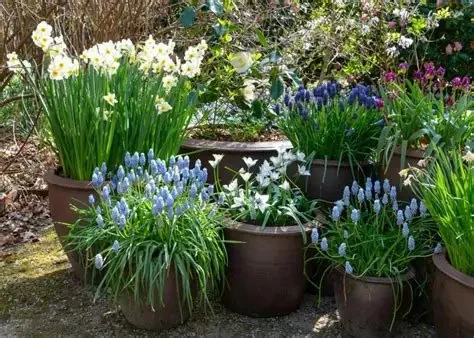
Why Plant Bulbs in Fall?
Fall is the perfect time to plant bulbs for spring color. When you plant flower bulbs in the fall, you give them the opportunity to establish their roots before winter sets in. This root development ensures that the bulbs will bloom in the spring, filling your garden with vibrant colors. Additionally, planting in fall allows bulbs to undergo a natural chilling process that many species need in order to flower. By the time the weather warms up, your bulbs will be ready to produce beautiful flowers, giving your garden an early start to the season.

Landscaping Lawn Maintenance Plus, Inc
Crystal LakeMcHenry CountyIllinois
2319 Walkup Rd, Crystal Lake, IL 60012, USA
Choosing the Right Bulbs for Spring Color
Not all bulbs are created equal when it comes to spring blooms. To ensure your garden has the color and variety you desire, it's important to choose the right bulbs. Here’s a guide to the best spring-flowering bulbs:

Evergreen Enterprise Nursery & Landscape
GreenfieldHancock CountyIndiana
6931 W Amanda Ct, Greenfield, IN 46140, USA
1. Tulips
One of the most popular spring bulbs, tulips come in a variety of colors and shapes. They thrive in well-drained soil and need full sun to produce their vibrant blooms. Tulips are ideal for planting in clusters to create a stunning visual effect.
2. Daffodils
Daffodils are a classic choice for early spring color. These bulbs are easy to grow and can tolerate a variety of growing conditions. Their bright yellow and white flowers bring cheer to any garden and are often among the first to bloom in the spring.
3. Hyacinths
For both color and fragrance, hyacinths are a wonderful choice. Their fragrant blooms in shades of pink, purple, white, and blue can fill your garden with a sweet aroma. Hyacinths perform best in well-drained soil and full sun or partial shade.
4. Crocus
These small, early bloomers are often one of the first signs of spring. Crocus flowers come in a variety of colors, including purple, yellow, and white. They’re perfect for planting in borders, rock gardens, or even in between grass to create a naturalistic effect.
5. Alliums
If you're looking for something a bit different, consider planting alliums. These striking bulbs produce large, globe-like flower clusters in shades of purple, blue, and white. They make a dramatic statement in any garden and can be combined with other bulbs for a unique display.
Planting Techniques for Bulbs in Fall
Proper planting techniques are essential for ensuring your bulbs bloom beautifully in the spring. Follow these steps to ensure successful bulb planting:
1. Choose the Right Location
Most bulbs prefer well-drained soil and a location that receives full or partial sunlight. Avoid areas that are prone to waterlogging, as this can cause bulbs to rot. The soil should be loose and well-aerated to allow for proper root growth.
2. Prepare the Soil
Before planting, loosen the soil to a depth of about 6 inches. If your soil is heavy or clay-like, consider mixing in some organic compost or sand to improve drainage. Bulbs will perform better in rich, fertile soil, so ensure the area is adequately prepared.
3. Plant at the Correct Depth
Each bulb variety has its own planting depth, but as a general rule, plant bulbs at a depth about 3 times the height of the bulb. For example, if the bulb is 2 inches tall, plant it about 6 inches deep. Ensure the pointed end of the bulb is facing up.
4. Space Bulbs Properly
Space bulbs according to their size. Smaller bulbs like crocus can be planted 2-3 inches apart, while larger bulbs like tulips should be spaced about 4-6 inches apart. This allows enough room for the bulbs to grow and prevents overcrowding.
5. Water Thoroughly
After planting, water the bulbs thoroughly to settle the soil around them. This helps eliminate air pockets and provides the moisture the bulbs need to begin establishing roots. After the initial watering, you can reduce the watering frequency as the weather cools.
Care and Maintenance After Planting
After planting your bulbs, proper care and maintenance are crucial for ensuring they bloom successfully. Here are some tips to help you maintain your bulbs throughout the winter:
1. Mulch the Area
To protect your bulbs from extreme cold, cover the planting area with a layer of mulch. This will help insulate the soil, retain moisture, and prevent frost from damaging the bulbs. Use materials like straw, leaves, or bark to mulch the area.
2. Monitor for Pests
While bulbs are typically resistant to most pests, it's important to keep an eye out for rodents or animals that may dig them up. If necessary, use physical barriers such as wire mesh or rodent repellent products to keep your bulbs safe.
3. Avoid Overwatering
Once the bulbs are planted, it’s important not to overwater them. Bulbs are susceptible to rot if they’re kept too wet, especially during the cooler months. Ensure that the soil is well-drained, and water sparingly throughout the winter months.
Real-Life Case Studies of Fall Bulb Planting
Here are some real-life examples to inspire you in planting bulbs for spring color:
- Example 1: The Stevens family in Michigan planted tulips, daffodils, and crocus bulbs in their front yard last fall. By the time spring arrived, their garden was filled with vibrant colors, and the crocus blooms were one of the first signs of spring.
- Example 2: In Oregon, a gardening enthusiast planted a combination of hyacinths, alliums, and daffodils in his backyard. The hyacinths’ fragrance filled the air, and the alliums provided a striking architectural focal point in the garden.




 Walmart Patio & Garden Services0.0 (0 reviews)
 Perspectives Landscape4.0 (4 reviews)
 Premier Lawn Services & Landscaping3.0 (12 reviews)
 National Brick Paver & Stone Co., Inc.4.0 (53 reviews)
 Elite Outdoor Services LLC5.0 (9 reviews)
 Lightscape Inc4.0 (11 reviews)
 How to Deal With Poor Soil: Amendments & Improvements for Better Gardening
 How to Use Potted Trees to Frame Entrances and Patios
 How to Design a Garden That Ages Gracefully
 How to Plan a Landscape for Easy Irrigation and Drainage
 How to Choose the Right Mulch for Weed Suppression: A Complete Guide
 How to Create Multi-Level Garden Zones With Purpose