
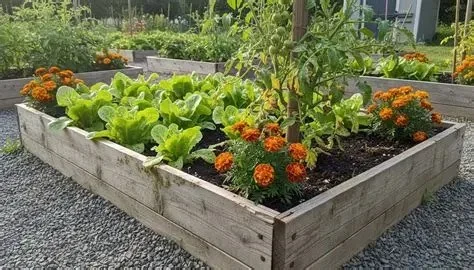
Maximizing Your Garden with Planters to Extend Planting Zones
- 1-choose-the-right-planters
- 2-understand-your-planting-zones
- 3-seasonal-strategies-for-planters
- 4-optimize-soil-and-nutrients
- 5-move-and-protect-your-planters
1. Choose the Right Planters
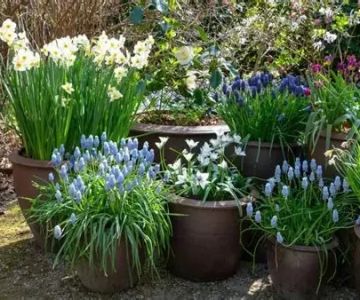
Selecting the right planters is essential for extending planting zones effectively. Larger containers provide more insulation for roots against cold or heat, allowing plants to thrive outside their usual zones. Materials like ceramic, stone, or insulated plastic can help maintain consistent soil temperature. At Beautiful Landscapes, we recommend planters with proper drainage and high-quality materials to ensure plant health and longevity.
2. Understand Your Planting Zones
Knowing your USDA hardiness zone is crucial before choosing which plants to place in planters. By understanding the limitations of your local climate, you can strategically select plants that might normally struggle outdoors but can thrive in containers with controlled conditions. For instance, growing Mediterranean herbs in a northern climate becomes feasible with movable planters that can be sheltered during colder months.
Crist Lawn Care LLC
DarlingtonLafayette CountyWisconsin
15680 County Highway F, Darlington, WI 53530, USA
3. Seasonal Strategies for Planters
Adjusting your gardening approach for each season is key to extending planting zones. In colder months, consider bringing sensitive planters indoors or placing them in protected areas. During hot summer periods, ensure adequate shading or use light-colored planters to reduce heat absorption. Incorporating these seasonal strategies helps maintain optimal growing conditions year-round.
4. Optimize Soil and Nutrients
Container soil needs to be well-draining yet nutrient-rich. Using high-quality potting mixes and regularly supplementing with organic fertilizers ensures plants remain healthy even outside their traditional zones. Rotating crops and monitoring soil pH can prevent nutrient depletion, which is particularly important for extending the planting season in planters.
5. Move and Protect Your Planters
Mobility is one of the biggest advantages of using planters. During extreme weather conditions, moving planters to sheltered areas can prevent frost damage or overheating. Protective measures like mulch, insulation wraps, or temporary greenhouses can also be employed to safeguard plants. Following these practices ensures that your garden remains productive, vibrant, and resilient throughout the year.
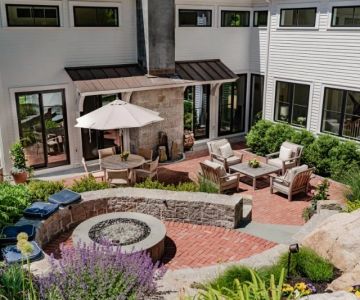
 Living Colors Landscape Management0.0 (0 reviews)
 Resilient Design LLC5.0 (10 reviews)
 Sparkel-Lawn Inc5.0 (4 reviews)
 Dorado Lawn Seasonal Services LLC5.0 (7 reviews)
 Mahnke Landscaping3.0 (6 reviews)
 First Impressions Landscaping3.0 (3 reviews)
 Trends in Landscape Design for 2025: What’s In and What’s Out
 How to Landscape for Rainy & Wet Conditions
 How to Build a Rainwater Storage System for Gardens
 How to Use Drip Irrigation to Save Water Effectively
 How to Choose Mulch Based on Soil Type
 How to Use Container Planting in Small Spaces for a Beautiful Garden