
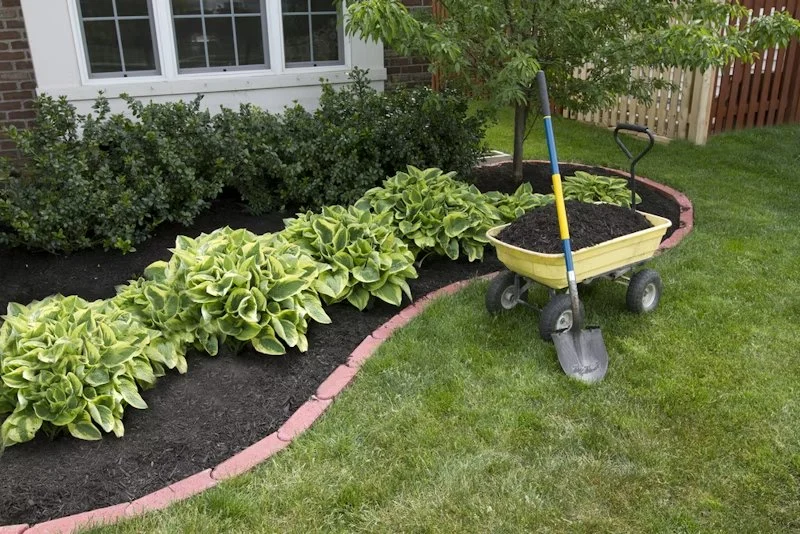
- why-mulch-is-important-for-your-garden
- understanding-mulch-depth
- choosing-the-right-type-of-mulch
- tips-for-applying-mulch-effectively
- common-mulching-mistakes-to-avoid
- how-mulch-impacts-plant-health
1. Why Mulch is Important for Your Garden
Mulch is an essential part of any garden care routine, offering multiple benefits for both the soil and the plants. Whether you're a seasoned gardener or a beginner, understanding how to use mulch effectively can drastically improve the health and appearance of your garden.

Eco Landscaping Services, Snow Removal Services, Demolition
2212 S Laramie Ave, Cicero, IL 60804, USA
1.1 Benefits of Mulch
Mulch helps retain moisture, suppress weeds, regulate soil temperature, and enrich the soil. These benefits make it an indispensable tool for improving plant growth and conserving water in your garden.

1.2 How Mulch Protects Your Plants
By covering the soil, mulch protects plant roots from extreme heat in the summer and frost in the winter. It also prevents soil erosion, helps maintain proper moisture levels, and provides a barrier against weed growth that competes with your plants for nutrients and water.
2. Understanding Mulch Depth
The depth of mulch plays a significant role in its effectiveness. Too little mulch won’t provide enough protection for your plants, while too much mulch can have the opposite effect, causing issues like root suffocation or excessive moisture retention.
2.1 Ideal Mulch Depth for Different Plants
For most plants, a mulch depth of 2 to 4 inches is optimal. This depth helps keep the soil moist, suppresses weeds, and prevents extreme temperature changes. However, different plants may have specific needs that require slight adjustments:
- Vegetable gardens: 2 to 3 inches of mulch
- Flower beds: 2 to 4 inches of mulch
- Shrubs and trees: 3 to 4 inches of mulch
2.2 How Too Much Mulch Can Be Harmful
While mulch is beneficial, excessive mulch can be harmful. A thick layer of mulch (over 4 inches) can cause the soil to stay too moist, leading to root rot or fungal issues. It can also prevent air from reaching the roots, causing them to suffocate. Mulch should always be kept a few inches away from plant stems and tree trunks to avoid decay.
3. Choosing the Right Type of Mulch
Choosing the right type of mulch for your garden depends on several factors, including your garden’s needs, climate, and aesthetic preferences. Here are some common types of mulch and their best uses:
3.1 Organic Mulches
Organic mulches decompose over time, enriching the soil with nutrients. Common organic mulches include:
- Wood chips: Excellent for flower beds and garden paths.
- Shredded leaves: Great for vegetable gardens as they break down quickly and add valuable organic matter.
- Bark mulch: Ideal for larger trees and shrubs, as it retains moisture well and suppresses weeds.
- Straw: Popular for vegetable gardens, as it provides a light, airy cover that allows water to penetrate.
3.2 Inorganic Mulches
Inorganic mulches do not break down over time, making them a low-maintenance option. Some popular types of inorganic mulch include:
- Rubber mulch: A long-lasting option made from recycled tires, ideal for playgrounds or pathways.
- Gravel or rocks: Best for xeriscaping (water-efficient landscaping) and areas where you want a permanent cover.
- Plastic mulch: Often used in vegetable gardens to warm the soil, retain moisture, and prevent weeds.
3.3 Choosing Mulch Based on Climate
In regions with extreme temperatures, such as hot summers or cold winters, selecting the right mulch can help regulate soil temperature and protect plants from temperature extremes. For hot climates, lighter-colored mulches such as straw or shredded leaves can reflect heat, while darker mulches like wood chips are better for cold climates as they retain warmth.
4. Tips for Applying Mulch Effectively
Applying mulch may seem straightforward, but there are a few tips to ensure it's done effectively and provides the best benefits to your plants.
4.1 Prepare the Soil Before Mulching
Before applying mulch, make sure the soil is properly prepared. This includes removing any weeds, adding compost if necessary, and watering the soil thoroughly. Mulch should be applied to moist soil to help retain the water, which is especially important during dry periods.
4.2 Avoid Mulch Volcanoes Around Plants
When applying mulch, avoid piling it up against the base of trees or plant stems, a common mistake known as a "mulch volcano." This can cause moisture buildup and lead to rot or fungal infections. Instead, keep the mulch a few inches away from the plant stems and tree trunks.
4.3 Spread Mulch Evenly
Ensure that the mulch is spread evenly across the garden, avoiding clumps or gaps. Even coverage will help with consistent moisture retention, weed suppression, and temperature regulation.
5. Common Mulching Mistakes to Avoid
While mulching is a simple gardening task, there are some common mistakes that can hinder its effectiveness. By avoiding these errors, you can ensure that your mulch is providing all the benefits it can offer.
5.1 Using Too Much Mulch
As mentioned earlier, over-mulching can suffocate plant roots and lead to moisture issues. Stick to the recommended depth for each plant type to avoid this mistake.
5.2 Applying Mulch to Wet, Compact Soil
Applying mulch to overly wet or compacted soil can create a "seal" that prevents air and water from penetrating the soil. Always ensure that your soil is in good condition before mulching.
5.3 Choosing the Wrong Type of Mulch
Not all mulches are suitable for all plants or conditions. For instance, using wood chips or bark mulch around vegetable gardens may not be ideal, as they take longer to decompose and can compete with plants for nutrients. Choose the right mulch for your specific garden needs.
6. How Mulch Impacts Plant Health
When used correctly, mulch offers numerous benefits for plant health, from enhancing soil structure to improving root development. Here’s how mulch directly affects your plants:
6.1 Soil Health and Nutrient Retention
As organic mulch breaks down, it adds valuable nutrients back into the soil, enriching the ground and promoting healthy plant growth. Over time, this leads to stronger, more resilient plants that are better equipped to withstand stress.
6.2 Temperature Regulation
Mulch acts as a natural insulator, protecting plant roots from extreme temperatures. During summer, mulch helps keep the soil cool, while in winter, it helps retain warmth, preventing frost damage to roots.
6.3 Moisture Retention
One of the most important benefits of mulch is its ability to retain moisture. By reducing evaporation, mulch helps ensure that your plants receive a steady supply of water, especially during dry spells or hot summer days.
Using mulch wisely, by selecting the right type and applying the correct depth, can lead to a healthier, more vibrant garden. It is an essential part of successful gardening practices that ensures your plants thrive year-round. For more helpful tips and recommendations on mulching and gardening, visit Beautiful Landscapes, where you can find top-quality mulch and tools for your garden.




 KLS Enterprises Lawn4.0 (13 reviews)
 Living Colors Landscape Management0.0 (0 reviews)
 Earthscapes, Inc.4.0 (17 reviews)
 Southern Illinois Lawn Care5.0 (4 reviews)
 Heart Rock Landscaping4.0 (19 reviews)
 Ray Hintz Inc.4.0 (47 reviews)
 How to Manage Slopes & Drainage in Your Yard - Beautiful Landscapes
 How to Create a Backyard Retreat With Minimal Effort
 How to Create a Butterfly Pathway Through Your Garden
 7 Steps to Create a Pollinator Garden That Attracts Bees & Butterflies
 How to Landscape for Seasonal Wildlife Attraction: Creating Habitats for Nature's Visitors
 How to Install a French Drain to Resolve Water Issues | Easy Guide