
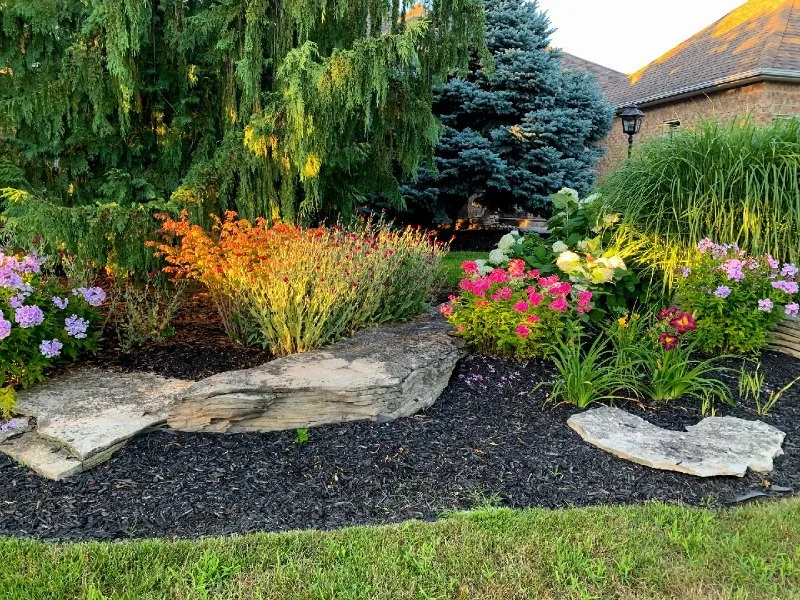
- -understanding-seasonal-garden-staging
- -building-a-four-season-garden-foundation
- -spring-garden-preparation-strategies
- -summer-color-and-visual-impact
- -fall-transitions-and-autumn-interest
- -winter-structure-and-evergreen-design
- -creating-focal-points-throughout-the-year
- -real-garden-transformation-story
- -common-seasonal-landscaping-mistakes
- -long-term-planning-for-year-round-beauty
Understanding Seasonal Garden Staging and Why It Matters
Many homeowners spend significant time and money creating a beautiful garden during spring, only to watch it lose much of its visual appeal by late summer or winter. The reality is that a truly exceptional landscape is not designed for a single month. Instead, it evolves gracefully throughout the year, offering color, texture, structure, and interest in every season.
Learning how to stage a garden for seasonal changes is one of the most valuable skills a homeowner can develop. Garden staging is the process of intentionally designing outdoor spaces so that different plants, features, and focal points shine at different times of the year. Rather than relying on one spectacular bloom period, a staged garden creates an ongoing sequence of visual highlights.
Professional landscape designers often describe this approach as "planning for the next season before the current one ends." By thinking ahead, gardeners can avoid periods when beds appear empty, color disappears, or the landscape feels neglected.
For homeowners across the United States, where seasonal transitions can dramatically change outdoor environments, this strategy provides a practical way to maintain curb appeal and enjoy outdoor living spaces year-round.
K.D. Landscaping, Inc.
WestfieldHamilton CountyIndiana
17377 Little Eagle Creek Ave, Westfield, IN 46074, USA
Building a Four-Season Garden Foundation
Before selecting flowers, shrubs, or decorative elements, it is important to establish a strong structural foundation. A garden designed for year-round beauty begins with permanent features that remain attractive regardless of the season.
1. Start With Structural Plants
Structural plants form the backbone of a landscape. These include evergreen shrubs, ornamental grasses, small trees, and architectural plants that maintain their shape throughout much of the year.
Unlike seasonal flowers that bloom for a few weeks, structural plants provide consistency. They help ensure the garden never feels empty, even during colder months when many plants become dormant.
Choosing the Right Evergreen Elements
Evergreens are particularly valuable because they offer color and texture when most other plants have lost their leaves. Strategic placement near entrances, pathways, and patios helps maintain visual interest during winter.
2. Create Defined Garden Zones
Successful seasonal gardens often divide the landscape into distinct areas. For example, one section may emphasize spring flowering bulbs, while another showcases summer perennials. Additional zones can highlight autumn foliage or winter textures.
This layered approach allows different parts of the landscape to become focal points at different times throughout the year.
Spring Garden Preparation Strategies for Maximum Impact
Spring is often considered the most anticipated season for gardeners. After months of winter dormancy, landscapes begin awakening with fresh growth, vibrant blooms, and renewed energy.
Planning Months Before Spring Arrives
Many gardeners do not realize that spring success begins during the previous fall. Bulbs such as tulips, daffodils, hyacinths, and crocuses must often be planted months in advance to deliver impressive spring displays.
Layering Bloom Times
One effective strategy involves selecting plants with staggered flowering periods. Early spring bulbs can be followed by flowering shrubs, then late-spring perennials. This extends visual interest over several months rather than concentrating it into a short bloom window.
Incorporating Fresh Greenery
Spring is also an opportunity to introduce fresh foliage plants that provide texture even after flowers fade. Hostas, ferns, and ornamental grasses can help bridge seasonal transitions and maintain a lush appearance.
The most successful spring gardens create a feeling of renewal while laying the groundwork for summer growth.
Creating Summer Color and Visual Impact
Summer presents unique opportunities and challenges. While many plants reach peak performance during this season, heat and drought conditions can quickly diminish visual appeal if planning is inadequate.
Selecting Long-Blooming Plants
Gardeners who understand how to stage a garden for seasonal changes often prioritize plants with extended bloom periods. Coneflowers, black-eyed Susans, salvias, and coreopsis are popular choices because they continue flowering for much of the summer.
Using Color Theory Effectively
Summer gardens often benefit from bold color combinations. Warm colors such as red, orange, and yellow create energy and excitement, while blues and purples contribute a more calming atmosphere.
Balancing these colors strategically can dramatically enhance the visual appeal of outdoor spaces.
Incorporating Container Displays
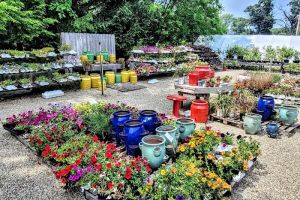
Containers offer flexibility that traditional garden beds cannot. Seasonal planters can be refreshed throughout the summer, providing opportunities to introduce new colors and textures without redesigning entire landscape sections.
Many professional landscapers rely heavily on containers because they make seasonal transitions easier and more dynamic.
Designing Beautiful Fall Transitions and Autumn Interest
Autumn is often overlooked when planning residential landscapes. Yet many gardeners consider fall the most visually rewarding season due to changing foliage, ornamental grasses, and rich seasonal colors.
Emphasizing Foliage Rather Than Flowers
While spring and summer rely heavily on blooms, autumn gardens often shine through foliage. Trees and shrubs that develop vibrant red, orange, gold, and burgundy leaves become natural focal points.
Popular Fall Landscape Features
Maples, dogwoods, burning bushes, and certain oak varieties are particularly valued for their seasonal color displays. When incorporated thoughtfully, they create breathtaking transitions between summer and winter.
Adding Seasonal Decorative Elements
Autumn is also an ideal time to introduce decorative accents such as ornamental pumpkins, natural stone arrangements, and rustic containers. These additions help reinforce seasonal character while maintaining sophistication.
A well-staged fall garden feels warm, welcoming, and intentionally designed rather than simply preparing for winter.
Winter Structure and Evergreen Design Principles
Winter often reveals the true quality of a landscape design. Without flowers or lush foliage to distract the eye, structural elements become increasingly important.
Focusing on Shape and Form
Trees, shrubs, pathways, retaining walls, and garden structures create visual interest even when dormant. A thoughtfully designed winter garden relies heavily on shape, silhouette, and texture.
The Importance of Evergreens
Evergreens serve as anchors throughout the winter months. Their consistent color prevents landscapes from appearing barren and creates contrast against snow or dormant vegetation.
Using Hardscape Features Effectively
Pergolas, benches, decorative fencing, and stone pathways become more prominent during winter. These elements add character while providing structure that remains attractive year-round.
Professional landscape designers often evaluate gardens during winter because weaknesses in design become easier to identify.
Creating Focal Points That Evolve Through Every Season
A successful seasonal garden guides the eye toward specific features at different times of the year.
Spring Focal Points
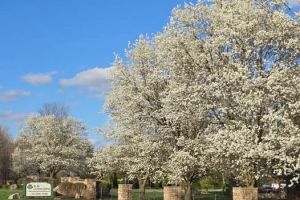
Flowering trees and bulb displays often dominate attention during spring.
Summer Focal Points
Large perennial beds, colorful containers, and flowering borders become centerpieces during warmer months.
Autumn Focal Points
Trees with exceptional fall foliage often take center stage.
Winter Focal Points
Evergreen groupings, decorative structures, and architectural plants become primary visual attractions.
This rotating sequence keeps the landscape fresh and engaging throughout the entire year.
A Real Garden Transformation That Demonstrated the Power of Seasonal Planning
A homeowner in North Carolina once invested heavily in spring flowering plants. For six weeks each year, the property looked spectacular. Unfortunately, the remainder of the year felt uninspiring.
After consulting with landscape professionals, the homeowner adopted a seasonal staging approach. Summer perennials were added to extend color. Ornamental grasses provided autumn texture. Evergreens and decorative hardscapes improved winter interest.
The transformation was remarkable.
Neighbors who previously admired the garden only during spring began complimenting it throughout the entire year. Property value increased, outdoor living areas became more enjoyable, and maintenance requirements actually decreased because plant selections were more intentional.
This example highlights an important truth: beautiful gardens are not defined by one extraordinary season but by consistent visual appeal across all seasons.
Common Seasonal Landscaping Mistakes Homeowners Should Avoid
Even enthusiastic gardeners frequently make mistakes that limit year-round beauty.
Overplanting One Season
Focusing exclusively on spring flowers often leaves landscapes lacking interest later in the year.
Ignoring Mature Plant Sizes
Plants that seem appropriately spaced initially may become overcrowded as they mature, reducing airflow and visual balance.
Neglecting Winter Interest
Many gardens look empty during winter because no attention was given to structural elements or evergreen selections.
Using Too Many Different Themes
A cohesive design generally performs better than a collection of unrelated ideas. Consistency helps create visual harmony throughout seasonal transitions.
Long-Term Planning for a Garden That Improves Every Year
The most impressive landscapes rarely appear overnight. They evolve gradually as plants mature, design elements develop character, and seasonal patterns become better understood.
Evaluating the Garden Each Season
Keeping notes about bloom times, color performance, and maintenance requirements helps identify opportunities for improvement. Small adjustments each year often lead to dramatic long-term results.
Investing in Sustainable Design Choices
Native plants, drought-tolerant species, and regionally adapted landscaping elements typically provide better performance while reducing maintenance demands.
Finding Inspiration and Professional Guidance
Many homeowners seeking ideas for seasonal garden transformations explore resources such as Beautiful Landscapes for inspiration, design concepts, plant recommendations, and landscaping services tailored to year-round outdoor beauty.
Ultimately, understanding how to stage a garden for seasonal changes is about creating a landscape that feels alive throughout the year. By combining structural plants, seasonal blooms, evolving focal points, and thoughtful long-term planning, homeowners can enjoy an outdoor space that remains beautiful from the first days of spring to the quiet elegance of winter. The result is not merely a garden, but a living landscape that continuously adapts, surprises, and inspires with every passing season.

 Essential Lawn Services4.0 (4 reviews)
 AE Landscape Borders4.0 (286 reviews)
 Patws Lawn Care Of New Lenox5.0 (22 reviews)
 Plandscape LLC5.0 (5 reviews)
 Koehler Bros.4.0 (25 reviews)
 Simon's Painting & More5.0 (2 reviews)
 How to Create a Front Yard That Requires No Mowing
 How to Design a Kid-Friendly Garden Space for Fun and Safety
 How Often Should You Aerate Your Lawn?
 How to Plan Vertical & Horizontal Plant Movement for a Thriving Garden
 How to Design a Landscape That Complements Architecture: Expert Tips and Ideas
 Lazy Lawn Care: How to Maintain Grass with Minimal Effort