
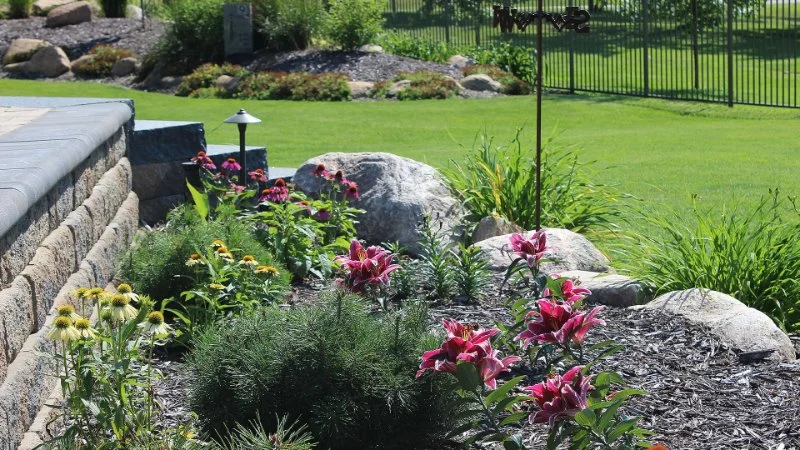
- planning-foundation-Understanding Hardscape and Softscape Balance-Why structure and greenery must work together
- design-flow-Creating Visual Direction with Stone and Plants-How movement shapes outdoor experience
- material-selection-Choosing Hardscape Accents That Complement Nature-Avoiding visual conflict in landscape design
- real-world-application-Backyard Transformation Case Study-How a plain yard becomes a living space
- maintenance-longevity-Keeping Hardscape and Softscape in Harmony-Long-term design thinking
Planning the Foundation: Understanding the Balance Between Structure and Living Elements
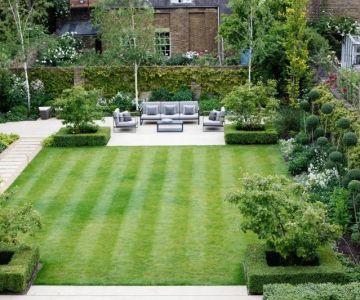
Designing outdoor environments is rarely about choosing between stone and greenery—it is about blending both into a living composition. When homeowners begin exploring hardscape accents within a softscape design, the goal is not decoration alone but spatial harmony.
Why Structure Matters in a Living Landscape
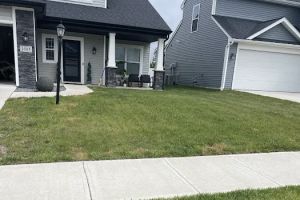
Softscape elements like grass, flowers, shrubs, and trees bring movement and seasonal change. Hardscape elements—stone pathways, retaining walls, wooden decks, or concrete seating areas—bring permanence and structure. Without one, the other feels incomplete.
A well-balanced yard uses landscape planning principles that ensure every stone path or patio feels like it belongs naturally among living elements rather than being placed on top of them.
Understanding the Emotional Impact of Outdoor Structure
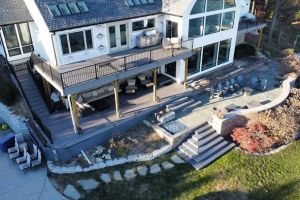
Homeowners often underestimate how deeply structure influences emotional experience. A curved stone path, for example, slows movement and encourages reflection. A straight walkway suggests efficiency and direction. When combined thoughtfully with planting beds, these elements shape how people feel in a space.
This is where companies like Beautiful Landscapes often guide homeowners—helping them translate emotional goals into physical outdoor design.
Creating Visual Flow: How Hardscape Accents Guide Movement Through a Yard
One of the most overlooked principles in landscaping is movement. A yard is not static; it is experienced step by step. Hardscape accents are powerful tools for directing that journey.
Stone Pathways as Natural Storylines
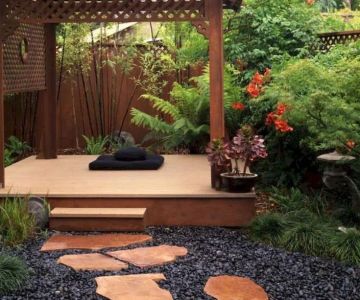
A stone walkway is more than a route—it is a narrative line. When placed correctly, it guides guests through gardens, seating areas, and focal points without confusion. In professional stone pathways design, curves are often used to reveal scenery gradually rather than all at once.
Imagine a backyard where tall ornamental grasses partially hide a seating area. As you walk along a stepping-stone path, the space slowly reveals itself. That sense of discovery is intentional design.
Framing Spaces with Hard Edges
Retaining walls and raised planters are not just functional—they create visual boundaries that help define outdoor rooms. This technique is especially useful in smaller yards where landscape balance is essential to avoid visual clutter.
A real homeowner case in Arizona showed how a simple backyard was transformed using low stone borders to separate dining space from garden beds, instantly making the yard feel larger and more organized.
Choosing Materials That Work With Nature Instead of Against It
Material selection is where many landscaping projects succeed or fail. The goal is not to overpower nature but to support it visually and physically.
Natural Stone vs. Manufactured Surfaces
Natural stone tends to blend seamlessly into outdoor environments because of its irregular texture and earthy tones. Manufactured materials, while consistent and cost-effective, require more careful pairing with plants to avoid looking artificial.
When incorporating hardscape accents into a garden, neutral tones often work best—beige, slate gray, sand, or weathered brown allow plants to remain the visual focus.
Wood Elements as Transitional Design Tools
Wood decks, pergolas, and benches serve as bridges between structured and natural zones. Over time, wood weathers, allowing it to blend even more naturally into a softscape design.
A coastal home in Oregon demonstrated this beautifully: a cedar deck surrounded by native grasses created a seamless transition between house and dune landscape.
Real-World Transformation: A Backyard That Found Its Identity
A particularly memorable project involved a suburban yard in the Midwest that felt flat and unused. The homeowners wanted something inviting but low-maintenance.
Before the Design Intervention
The yard consisted mainly of grass with a few shrubs along the fence line. There was no structure, no seating area, and no defined purpose. It felt like unused space rather than part of the home.
After Integrating Hardscape and Softscape
The design team introduced a curved flagstone path leading to a small fire pit area surrounded by perennial plants. Raised beds added height variation, while ornamental grasses softened the stone edges.
The transformation was immediate. What once felt empty became an outdoor living space used daily during warmer months. This kind of backyard transformation highlights how structure and planting must work together to create livable environments.
Long-Term Harmony: Maintaining Balance Between Stone and Green Growth
A successful landscape is not a one-time project—it is an evolving system. Plants grow, seasons change, and materials age. Maintaining harmony between hardscape and softscape ensures long-term visual appeal.
Preventing Overgrowth Around Hardscapes
One of the most common issues is plants overtaking pathways or edging. Regular trimming ensures that stone walkways remain visible and functional while still feeling naturally integrated.
Managing Material Aging and Natural Weathering
Stone and wood change over time. Instead of resisting this process, good landscape planning embraces it. Moss on stone steps or softened wood tones can enhance authenticity when maintained properly.
Seasonal Adjustments for Ongoing Design Strength
Adjusting plant placement seasonally helps maintain balance. For example, flowering plants can highlight key hardscape features in spring and summer, while evergreen shrubs preserve structure in winter months.
Professional designers from Beautiful Landscapes often emphasize this adaptive mindset—treating the yard as a living composition rather than a fixed installation.
Design Thinking That Connects Every Element
The most successful outdoor environments are not built from isolated choices but from interconnected decisions. Every stone path, planting bed, and seating area contributes to a larger visual and emotional system.
Thinking in Zones Instead of Objects
Rather than placing individual features randomly, designers think in zones: relaxation areas, movement paths, and visual focal points. Hardscape accents define these zones, while plants soften and connect them.
Layering Texture for Depth
Texture layering is a subtle but powerful technique. Rough stone against soft grass, smooth wood beside feathery ferns—these contrasts create depth and visual interest without overwhelming the space.
Creating a Living Outdoor Experience
Ultimately, blending hardscape and softscape is about creating an experience rather than just a yard. It becomes a place where people gather, relax, and connect with nature in a structured yet natural environment.
 Crowell Lawn Service5.0 (9 reviews)
 Cam's Services LLC5.0 (5 reviews)
 Hild Lawn & Snow5.0 (5 reviews)
 Walmart Patio & Garden Services0.0 (0 reviews)
 Fleck's Landscaping3.0 (25 reviews)
 Lemuel Zenon Landscaping5.0 (4 reviews)
 How to Build a Sustainable Backyard Using Native Materials: A Step-by-Step Guide
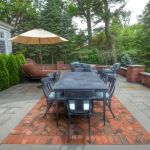 How to Choose Hardscape Materials for Slip Resistance
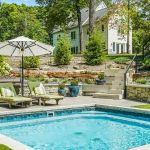 How to Landscape Around a Pool With Height & Depth
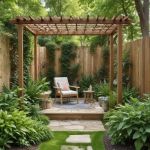 How to Create a Backyard Retreat With Minimal Effort
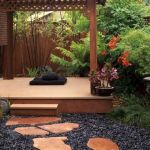 How to Create a Meditation Space in Your Backyard for Peaceful Outdoor Living
 How to Landscape for Seasonal Wildlife Attraction: Creating Habitats for Nature's Visitors