
- Planning Your Backyard Layout for Minimal Upkeep
- Choosing Low-Maintenance Plants
- Incorporating Hardscapes to Reduce Work
- Efficient Irrigation Systems and Water Conservation
- Mulching and Soil Management for Less Maintenance
- Smart Lighting Solutions for Convenience
- Creating Functional Zones for Easy Outdoor Living
- Real Homeowner Examples of Low-Maintenance Backyards
- Maintenance Routine Tips to Save Time
- Long-Term Strategy for Sustainable Low-Upkeep Yards
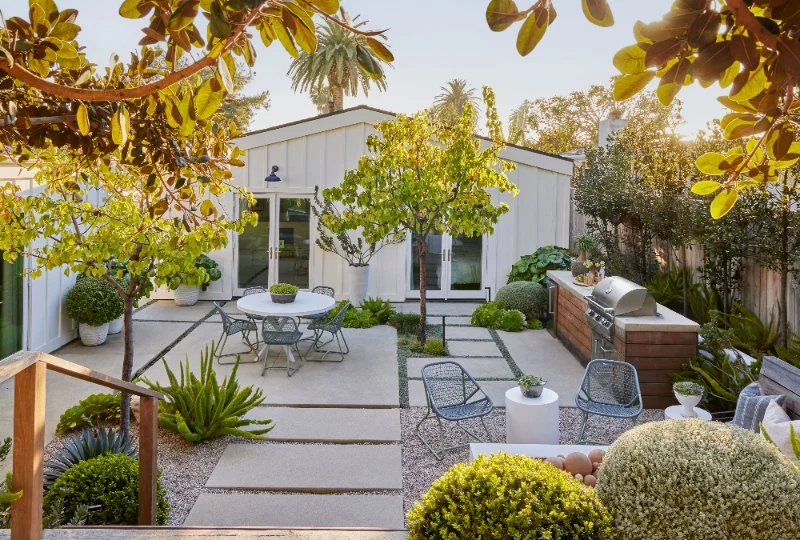
Planning Your Backyard Layout for Minimal Upkeep
Designing a low-maintenance backyard starts with careful planning. The goal is to create a functional, beautiful outdoor space that requires minimal time and effort for upkeep. Busy homeowners often underestimate how layout choices influence long-term maintenance.
1. Consider Traffic Patterns
Plan pathways and patios to direct foot traffic efficiently. Avoid placing high-maintenance plants in high-traffic areas to reduce damage and repeated care needs. Using stepping stones, gravel paths, or permeable pavers can combine style with durability.

2. Define Zones
Divide your backyard into functional zones such as relaxation areas, entertainment spaces, and garden beds. Zoning allows you to prioritize which areas require more attention and which can remain largely self-sufficient.
3. Balance Green and Hardscape
Too much turf or plant material increases maintenance. Strategically incorporate hardscape features like patios, decks, and walkways to reduce overall upkeep while maintaining a visually appealing backyard.
Choosing Low-Maintenance Plants
Plant selection is crucial for a low-upkeep backyard. Choosing plants that are drought-tolerant, pest-resistant, and slow-growing reduces the time spent on watering, pruning, and pest control.
1. Drought-Tolerant and Native Plants
Native plants are adapted to local conditions and often require less water and care. Examples include:
- Lavender and sage for fragrance and color
- Ornamental grasses that provide texture and movement
- Perennials such as coneflowers and black-eyed Susans
2. Low-Pruning Shrubs and Trees
Choose shrubs and trees with slow growth rates and naturally compact forms. Plants that don’t need frequent trimming save time and effort while still enhancing the backyard's beauty.
3. Container and Raised-Bed Gardening
Using containers or raised beds allows for easy access and control over soil quality, reduces weeding, and simplifies watering routines.
Incorporating Hardscapes to Reduce Work
Hardscape elements reduce garden chores and create structure within your backyard.
1. Patios and Decks
Installing a patio or deck can provide a large, functional outdoor living space that requires no mowing or intensive care. Using durable materials such as composite decking, natural stone, or concrete increases longevity.
2. Gravel and Mulch Paths
Paths made of gravel or mulch are easier to maintain than grass and help prevent soil compaction and weed growth.
3. Retaining Walls and Borders
Retaining walls, stone borders, and raised garden beds help define space and reduce maintenance by keeping plants contained and minimizing erosion.
Efficient Irrigation Systems and Water Conservation
Water management is a key component of a low-maintenance backyard. Efficient irrigation saves both water and time.
1. Drip Irrigation
Drip irrigation delivers water directly to plant roots, minimizing evaporation and reducing weed growth. It is highly effective for garden beds and container plants.
2. Smart Sprinklers and Timers
Automated sprinkler systems equipped with timers allow for precise watering schedules. Smart systems can adjust watering based on soil moisture, rainfall, or season, reducing both water use and maintenance.
3. Group Plants by Water Needs
Plant species with similar water requirements together. This simplifies irrigation and prevents over- or under-watering.
Mulching and Soil Management for Less Maintenance
Mulching is one of the simplest ways to reduce garden maintenance. It suppresses weeds, retains soil moisture, and improves soil health.
1. Organic Mulches
Use bark chips, straw, or leaf mulch to enhance soil fertility over time while reducing weeds and water loss.
2. Inorganic Mulches
Gravel, river rocks, or rubber mulch offer long-lasting solutions with minimal replacement needs and add decorative texture to beds and pathways.
3. Soil Preparation
Healthy soil encourages strong plant growth and reduces pest and disease problems, further lowering maintenance needs.
Smart Lighting Solutions for Convenience
Lighting can enhance the usability of your backyard without increasing daily maintenance.
1. Solar and LED Lights
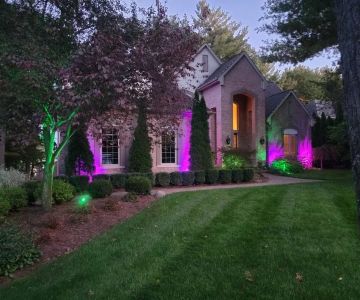
Solar-powered or LED landscape lights require minimal attention and have long lifespans, making them ideal for low-maintenance settings.
2. Timers and Motion Sensors
Automated lighting systems reduce the need for manual operation while enhancing security and outdoor ambiance.
3. Focused Illumination
Illuminate key zones such as patios, paths, and seating areas, avoiding unnecessary lighting that adds energy costs and upkeep.
Creating Functional Zones for Easy Outdoor Living
Organizing your backyard into functional zones ensures that each area serves a clear purpose and reduces unnecessary maintenance.
1. Relaxation Zone
Use a deck or patio with comfortable furniture and minimal plantings nearby for a stress-free retreat.
2. Play and Activity Zone
Designate turf or durable surfaces for children and pets. Use synthetic grass or gravel to reduce mowing and repairs.
3. Low-Care Garden Zone
Include drought-tolerant beds or raised planters with perennials to minimize daily upkeep while maintaining greenery and color.
Real Homeowner Examples of Low-Maintenance Backyards
One busy professional family in Texas transformed their backyard from a high-maintenance garden to a low-upkeep retreat. They:
- Replaced half of their lawn with gravel and drought-tolerant plants
- Installed raised garden beds for vegetables and herbs
- Integrated a small patio with solar LED lighting for evening use
- Added a drip irrigation system with a smart timer
Within one season, their backyard required significantly less time and effort, allowing them to enjoy outdoor living without constant maintenance.
Maintenance Routine Tips to Save Time
Even low-maintenance yards require minimal care to stay attractive. Establishing a routine prevents small tasks from becoming overwhelming.
1. Seasonal Cleanups
Remove fallen leaves, prune occasional overgrowth, and inspect irrigation systems seasonally.
2. Mulch Refresh
Top up mulch annually to maintain weed suppression and moisture retention.
3. Plant Health Monitoring
Check for pests or disease regularly, addressing problems promptly to avoid major maintenance later.
Long-Term Strategy for Sustainable Low-Upkeep Yards
Creating a low-maintenance backyard is not only about immediate convenience but also about long-term sustainability. Thoughtful plant selection, strategic hardscape placement, efficient irrigation, and periodic evaluation help maintain the yard's beauty and functionality for years.
Resources like Beautiful Landscapes provide guidance, inspiration, and products that align with these principles, enabling busy homeowners to design outdoor spaces that are both aesthetically pleasing and low-maintenance.
By combining planning, intelligent design, and the right plant and hardscape choices, a backyard can become a place of relaxation and enjoyment without the burden of constant upkeep.
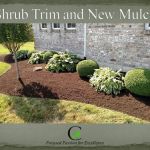 Crowell Lawn Service5.0 (9 reviews)
 Cam's Services LLC5.0 (5 reviews)
 Hild Lawn & Snow5.0 (5 reviews)
 Walmart Patio & Garden Services0.0 (0 reviews)
 Fleck's Landscaping3.0 (25 reviews)
 Lemuel Zenon Landscaping5.0 (4 reviews)
 How to Build a Sustainable Backyard Using Native Materials: A Step-by-Step Guide
 How to Choose Hardscape Materials for Slip Resistance
 How to Landscape Around a Pool With Height & Depth
 How to Create a Backyard Retreat With Minimal Effort
 How to Create a Meditation Space in Your Backyard for Peaceful Outdoor Living
 How to Landscape for Seasonal Wildlife Attraction: Creating Habitats for Nature's Visitors