
- 2025-hardscape-trends-modern-outdoor-living-shifts
- sustainable-materials-and-eco-friendly-landscape-design
- minimalist-patio-designs-and-functional-outdoor-zoning
- lighting-water-and-texture-in-modern-hardscape-styling
- real-project-case-studies-and-inspiration-from-beautiful-landscapes
The Evolution of Contemporary Hardscape Design in 2025
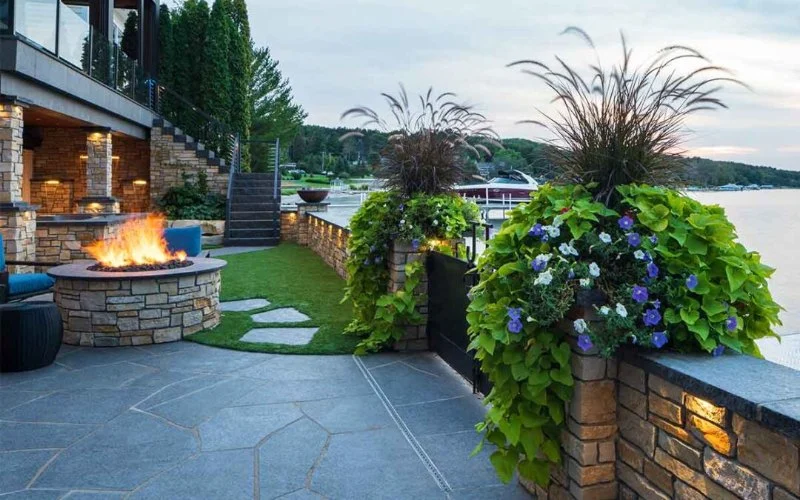
The world of outdoor design is undergoing a noticeable transformation as homeowners increasingly treat their exterior spaces as extensions of indoor living. The rise of contemporary hardscape trends reflects this shift, blending architecture, nature, and lifestyle into seamless environments. In 2025, hardscape design is no longer just about stone paths or patios—it is about creating immersive outdoor experiences that feel intentional, functional, and visually cohesive.
A recent design project in California illustrated this perfectly. A homeowner who previously had a traditional backyard with basic concrete slabs transformed it into a layered outdoor living space featuring textured stone, integrated seating, and ambient lighting. The result was not just a visual upgrade, but a complete lifestyle change—family dinners moved outside, and weekend gatherings became more frequent.
This kind of transformation highlights why hardscape design has become a central focus in modern landscaping conversations.
Sustainable Materials Shaping 2025 Landscape Directions
One of the strongest forces influencing contemporary hardscape trends is sustainability. Homeowners and designers are increasingly prioritizing environmentally responsible materials that reduce ecological impact while maintaining aesthetic appeal.

Claymiller Lawn Service LLC
KendallvilleNoble CountyIndiana
902 Donaldson Dr, Kendallville, IN 46755, USA
Permeable Surfaces and Eco-Friendly Stonework
Permeable pavers and recycled stone materials are becoming more common in residential and commercial projects. These surfaces allow water to flow naturally into the ground, reducing runoff and supporting soil health. Beyond functionality, they also offer a clean and modern appearance that fits well with minimalist design principles.
Design professionals often note that sustainability is no longer a niche preference—it is becoming a standard expectation in new outdoor projects.
Natural Texture Over Artificial Finishes
Another noticeable shift is the move away from overly polished or artificial-looking materials. Instead, designers are embracing raw textures like natural limestone, exposed aggregate, and reclaimed wood elements. These materials create visual warmth while maintaining structural durability.
At Beautiful Landscapes, many design consultations now begin with material sourcing discussions focused on sustainability and long-term environmental impact rather than purely aesthetic choices.
Minimalist Outdoor Layouts and Functional Zoning
Minimalism continues to dominate contemporary hardscape trends in 2025, but it has evolved beyond visual simplicity. Today’s minimalist outdoor spaces are defined by functional zoning—each area of the yard serves a clear purpose while maintaining a unified design language.
Structured Outdoor Living Areas
Modern backyards are increasingly divided into zones such as dining areas, relaxation lounges, fire features, and garden pathways. Instead of blending everything into a single open space, designers create subtle separations using elevation changes, material contrasts, or lighting transitions.
This structured approach allows homeowners to maximize usability without overcrowding the visual layout.
Clean Lines and Geometric Balance
Straight edges, symmetrical layouts, and geometric paving patterns are key features of modern outdoor design. These elements create order and balance, which is especially appealing in urban environments where outdoor space is limited.
A homeowner in New York recently shared how replacing a chaotic backyard layout with a structured grid patio instantly made the space feel larger and more inviting. The psychological impact of clean design is often underestimated but highly effective.
Lighting, Water, and Texture as Design Anchors
Beyond materials and layout, sensory elements are playing a larger role in shaping outdoor environments. Lighting, water features, and surface textures are becoming essential components of modern hardscape design.
Layered Outdoor Lighting Strategies
Instead of relying on a single light source, designers now use layered lighting systems that include pathway lights, wall washes, and subtle accent lighting. This approach enhances safety while creating atmosphere after sunset.
Warm lighting tones are especially popular in 2025 because they create a more natural and welcoming ambiance compared to harsh white lighting.
Water Features as Focal Points
Water elements such as reflecting pools, linear fountains, and minimalist waterfalls are being integrated into hardscape layouts to add movement and sound. These features not only enhance aesthetics but also contribute to relaxation and stress reduction.
Even small-scale designs are incorporating compact water features, proving that luxury outdoor design is not limited to large properties.
Textural Contrast for Visual Depth
Combining different surface textures—smooth concrete with rough stone, or matte finishes with natural wood—adds depth and dimension to outdoor spaces. This layering effect is a defining characteristic of contemporary hardscape trends.
Real-World Projects and Modern Outdoor Transformations
Across the United States, homeowners are embracing modern outdoor living concepts with increasing enthusiasm. One notable transformation involved a suburban backyard that was previously unused due to uneven terrain. Designers reimagined the space with tiered stone patios, integrated seating walls, and soft landscape lighting.
The result was a functional outdoor living area that doubled the usable space of the property without expanding its footprint. The homeowner reported that the redesigned backyard became the most used area of the home during warmer months.
Another example comes from a coastal property where salt-resistant materials and wind-friendly layouts were used to create a durable yet elegant outdoor environment. This project highlighted how environmental conditions directly influence material selection and design strategy.
These real-world examples demonstrate that hardscape design is not just about appearance—it is about adapting outdoor spaces to lifestyle needs and environmental challenges.
The Future Direction of Outdoor Living Design
Looking ahead, contemporary hardscape trends will continue to move toward personalization, sustainability, and multi-functionality. Outdoor spaces are becoming increasingly integrated with technology, including smart lighting systems and automated irrigation controls.
At the same time, there is a growing appreciation for natural simplicity. Designers are balancing innovation with timeless materials to ensure outdoor spaces remain relevant for years rather than seasons.
As more homeowners seek inspiration and professional guidance, platforms like Beautiful Landscapes are becoming valuable resources for discovering ideas, comparing materials, and planning personalized outdoor environments that reflect both style and function.
 This and That Giftery @ Forever Green Landscape Center4.0 (24 reviews)
 Premier Lawn Services & Landscaping3.0 (12 reviews)
 Forest Landscaping & Construction, Inc.5.0 (1 reviews)
 Excel Lawns & Landscape4.0 (91 reviews)
 Blue Grass Landworks Inc5.0 (2 reviews)
 Hoenig Tree Service4.0 (21 reviews)
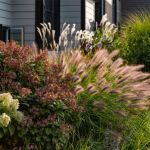 How to Landscape With Ornamental Grasses
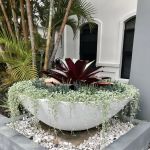 How to Landscape With Large Pots and Statement Planters
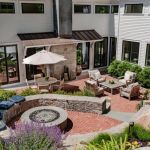 How to Plan a Backyard for Entertaining Large Groups
 How to Grow Groundcovers That Replace Traditional Lawns
 How to Use Companion Planting to Reduce Pests
 How Often Should You Fertilize Your Lawn for a Lush, Green Yard?