
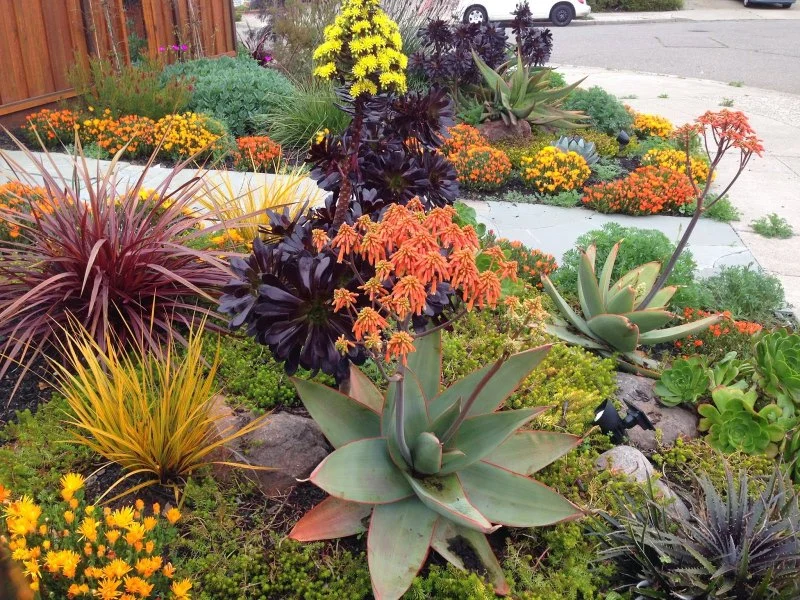
Designing a Garden That Thrives on Less Water
- drought-tolerant-basics - understanding how dry-climate landscaping works in real conditions
- native-plant-selection - choosing species adapted to local ecosystems
- design-strategy-xeriscaping - building structure, layers, and visual balance
- real-garden-examples - how homeowners successfully reduced water usage
- maintenance-and-long-term-care - keeping a low-water garden healthy year-round
Why Drought-Tolerant Landscaping Is Becoming the New Standard
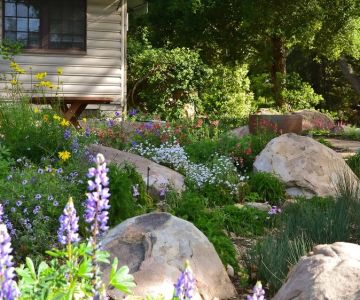
Across many parts of the United States, water restrictions and unpredictable weather patterns have pushed homeowners to rethink traditional gardening. Instead of lawns that demand constant irrigation, more people are shifting toward drought-tolerant landscaping built around resilient native plants.
This approach is not just about saving water—it’s about creating a landscape that feels natural, self-sustaining, and deeply connected to its environment. Once established, these gardens often require less maintenance while still offering strong visual appeal throughout the year.
Understanding Native Plants and Their Natural Advantages
Adaptation to local climate conditions
Native plants have evolved over thousands of years to survive in specific regions without excessive watering. Their root systems are naturally suited to local soil types and rainfall patterns, making them ideal for low-water garden designs.
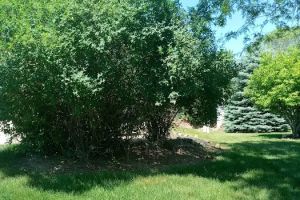
Parkland, Landscape Management LLC
New BerlinWaukesha CountyWisconsin
12435 W Euclid Ave, New Berlin, WI 53151, USA
Reduced dependency on fertilizers and chemicals
Because they are already adapted to their environment, native plants typically require fewer chemical inputs. This not only lowers maintenance costs but also supports healthier soil ecosystems.
Natural resistance to pests and disease
One of the biggest advantages of using native plants for dry gardens is their built-in resistance to local pests. This reduces the need for pesticides and creates a more balanced ecological environment.
Best Native Plants for Drought-Tolerant Landscaping
California poppy and its vibrant resilience
The California poppy is a classic example of a drought-resistant plant that thrives in poor soil and full sun. Its bright orange blooms bring life to dry landscapes without requiring frequent watering.
Lavender as a fragrant, low-water favorite
Lavender is widely used in xeriscaping plants designs because of its ability to survive long dry periods while offering fragrance and visual softness. It also attracts pollinators like bees and butterflies.
Agave and architectural structure
Agave plants add bold structure to a garden. Their thick, water-storing leaves make them ideal for extremely dry climates, and they require almost no maintenance once established.
Yarrow for ground coverage and color balance
Yarrow spreads gently across garden beds, filling gaps with soft textures and small clustered flowers. It is highly adaptable and thrives even in rocky or sandy soil.
Real Story: A Suburban Yard Transformed Into a Water-Saving Landscape
A homeowner in Arizona once struggled with maintaining a traditional lawn during prolonged drought seasons. Water bills were rising, and the grass consistently turned brown despite heavy irrigation.
After researching sustainable landscaping ideas, the homeowner decided to replace the lawn with native plants for dry gardens, including agave, desert marigold, and ornamental grasses.
Within one year, the transformation was dramatic. Water usage dropped significantly, and the yard became a vibrant, textured space that required far less maintenance. Neighbors began asking for advice, and the design eventually inspired several similar projects in the area.
Design Principles Behind Successful Dry Gardens
Layering plants for natural depth
Effective drought-tolerant landscaping is not random. It involves careful layering—taller plants in the back, mid-height shrubs in the middle, and ground covers at the front. This creates visual depth while improving water retention in soil.
Grouping plants by water needs
One key principle is hydrozoning, where plants with similar watering requirements are grouped together. This ensures efficient irrigation and prevents overwatering sensitive species.
Using mulch to preserve moisture
Organic mulch plays a critical role in reducing evaporation. It also improves soil health over time, making it easier for drought resistant plants to thrive.
Common Mistakes in Drought-Tolerant Landscaping
Overwatering newly planted natives
Even native plants need water during early growth stages. However, overwatering can weaken their natural drought resistance.
Choosing plants based only on appearance
A common mistake is selecting plants purely for aesthetics without considering climate compatibility. This often leads to higher maintenance and plant failure.
Poor soil preparation
Skipping soil conditioning can limit root development. Even resilient plants benefit from properly prepared ground with good drainage.
How to Maintain a Sustainable Low-Water Garden
Once established, a drought-tolerant landscape requires significantly less maintenance than traditional lawns. However, periodic pruning, seasonal cleanup, and occasional deep watering during extreme heat periods help maintain balance.
Homeowners often find that after the first year, their gardens become increasingly self-sufficient. This is where the true value of native plants becomes most visible.
For homeowners looking to explore tools, plant selections, and design inspiration, Beautiful Landscapes offers helpful resources to support sustainable outdoor transformations.
Why Native Plant Landscaping Is a Long-Term Investment
Beyond aesthetics and water savings, drought-tolerant landscaping contributes to environmental resilience. It supports pollinators, reduces runoff, and helps stabilize local ecosystems.
As climate conditions continue to shift, gardens built around native plants for dry gardens will likely become the standard rather than the exception. They represent a smarter, more adaptive way of thinking about outdoor spaces.
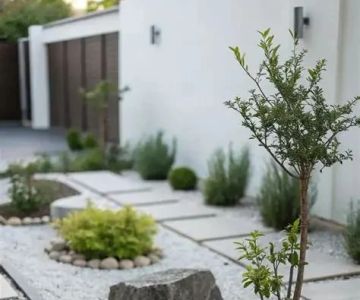
 Brass Lawn Care & Landscaping5.0 (20 reviews)
 Perea Lawn Sprinkler4.0 (45 reviews)
 High-Cal Concrete and Landscaping0.0 (0 reviews)
 We Call It Landscaping Inc.5.0 (2 reviews)
 Wirth Services Inc4.0 (10 reviews)
 East Towne Landscape Services Inc4.0 (5 reviews)
 How to Incorporate Hardscape Accents Into a Softscape Plan for Balanced Landscapes
 DIY vs Professional Landscaping: Pros, Cons & Cost Breakdown
 How to Create a Meditation Space in Your Backyard for Peaceful Outdoor Living
 How to Incorporate Ornamental Trees Into Small Landscapes: A Beginner’s Guide
 How to Choose Enduring Hardscape Materials
 How to Add Drama With Tall Grasses and Sculptural Plants