
- planning-basics-for-outdoor-rooms-paving-patterns - design foundations and zoning principles
- choosing-the-right-materials-for-hardscape-design - stone, brick, and layout compatibility
- visual-flow-and-space-definition-techniques - how patterns guide movement
- real-world-layout-examples-and-case-studies - residential backyard transformations
- maintenance-and-long-term-performance-tips - durability and upkeep strategies
Planning Basics for Outdoor Rooms Through Paving Patterns
Outdoor spaces today are no longer just lawns and patios—they’re structured living environments. One of the most effective ways to create order and purpose is through paving patterns outdoor rooms design techniques. By intentionally arranging materials like stone, brick, or concrete pavers, homeowners can visually divide a yard into functional zones without adding physical walls.

Countryside Stone
Parker CityDelaware CountyIndiana
3535 N CR, S County Rd 800 E, Parker City, IN 47368, USA
How spatial zoning changes outdoor living
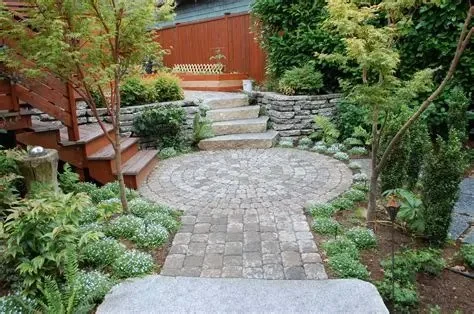
Think of a backyard as an open floor plan. Just like interior design uses rugs and furniture to define a living room or dining area, paving patterns act as the “floor plan language” outside. A herringbone layout might signal a dining zone, while a linear pattern naturally guides movement toward a garden or pool area.
In one suburban renovation case, a family in Colorado transformed a flat, unused yard into three distinct outdoor rooms: a cooking space, a lounge area, and a fire pit zone. Instead of adding fences, they used contrasting stone paving layouts to separate each area visually. The result felt spacious but organized—like stepping through different rooms of a home.
Why pattern direction matters
Pattern direction is often overlooked, but it has a strong psychological impact. Diagonal layouts make spaces feel larger, while grid patterns create stability and structure. Subtle shifts in orientation can completely change how a backyard is experienced.
Choosing Materials That Support Outdoor Room Definition
Material selection is a critical part of successful hardscape design. Not all paving materials behave the same visually or structurally. Choosing the right combination ensures durability and design consistency.
Natural stone vs manufactured pavers
Natural stone offers organic variation that blends beautifully with gardens and landscapes. It works well for informal lounge areas. Manufactured concrete pavers, on the other hand, are more uniform and ideal for structured dining or entertainment zones.
A common trend in modern backyard layout planning is mixing both materials. For example, a homeowner might use limestone slabs for a seating area and brick pavers for pathways. This contrast subtly signals transitions between “rooms” without needing walls or elevation changes.
Color psychology in outdoor environments
Color choice also plays a role. Warm tones like terracotta encourage relaxation and social interaction, while cooler grays create a modern, calm atmosphere. Designers often use tonal shifts to reinforce spatial separation within a single continuous surface.
Visual Flow and How Paving Patterns Guide Movement
One of the most powerful aspects of patio design ideas using paving is the ability to control movement naturally. People instinctively follow lines, edges, and rhythm in patterns.
Linear patterns as pathways
Straight lines encourage direct movement, making them ideal for walkways between outdoor rooms. In contrast, curved patterns slow down movement and encourage exploration, often used in garden transitions or relaxation zones.
Rhythm and repetition in design
Repetition creates comfort. When pavers are arranged in consistent modules, the eye relaxes and the space feels intentional. Designers often use repeating geometric units to connect multiple outdoor rooms into one cohesive environment.
In a widely shared design project featured in landscaping communities, a small urban yard was divided into three zones using alternating brick patterns. The walkway curved gently between them, making the compact space feel significantly larger than its actual square footage.
Real-World Outdoor Room Transformations
Understanding theory is helpful, but real-world examples make the concept tangible. One of the most compelling transformations came from a coastal property redesign where erosion-resistant stone pavers were used to redefine a sloped backyard.
Case study: coastal backyard redesign
The homeowners wanted a fire pit, dining area, and reading nook but had limited flat space. Instead of leveling the yard, designers used tiered paving patterns. Each level had a distinct layout: basket weave for dining, staggered slabs for lounging, and irregular natural stone for the reading corner.
This approach not only solved structural limitations but also enhanced aesthetic appeal. Each “room” felt intentional and distinct, yet connected through consistent material choices.
Urban courtyard adaptation
In another example, a city townhouse used compact landscape zoning techniques to divide a small courtyard into functional zones. Even in tight spaces, subtle pattern shifts made the yard feel structured rather than cramped.
For homeowners exploring similar transformations, platforms like Beautiful Landscapes can help identify materials and layout strategies that fit both budget and spatial constraints.
Maintenance and Long-Term Performance Considerations
Designing outdoor rooms with paving patterns is not just about aesthetics—it also involves long-term maintenance planning. Proper installation and material choice directly impact durability.
Drainage and structural integrity
One of the most common issues in poorly planned patios is water pooling. Open joints and improperly sloped surfaces can lead to shifting or erosion. Closed, well-compacted systems with proper drainage layers help maintain stability over time.
Weather adaptation strategies
In regions with freeze-thaw cycles, flexible jointing materials are essential. They allow slight movement without cracking the surface. This is especially important for large areas where different paving patterns meet.
Cleaning and upkeep routines
Regular sweeping, occasional power washing, and sealing (for certain stone types) ensure longevity. A well-maintained patio not only lasts longer but also preserves the clarity of its pattern design, which is central to defining outdoor rooms.
Design Thinking Behind Modern Outdoor Living Spaces
The evolution of outdoor living has shifted from decorative yards to functional extensions of the home. Paving patterns are now seen as architectural tools rather than just surface treatments.
Blurring indoor and outdoor boundaries
Modern design philosophy aims to create seamless transitions between interiors and exteriors. Using similar pattern logic inside and outside reinforces this connection, making outdoor rooms feel like natural extensions of the home.
Future trends in outdoor zoning
Looking ahead, designers are increasingly experimenting with mixed-material pavements, integrated lighting within patterns, and eco-friendly permeable surfaces. These innovations expand the possibilities of how outdoor rooms are defined and experienced.
As homeowners continue to prioritize outdoor living, mastering How to Use Paving Patterns to Define Outdoor Rooms becomes an essential part of landscape planning. It’s not just about decoration—it’s about shaping how people live, move, and relax in outdoor environments.

 Cutting Edge Concrete and Landscaping4.0 (5 reviews)
 Gteam Services3.0 (1 reviews)
 Krueger Landscaping, Inc.4.0 (10 reviews)
 Hacienda Landscaping5.0 (7 reviews)
 YD Exterior Visions4.0 (31 reviews)
 Carlin Moran Landscape, Inc.5.0 (2 reviews)
 How to Incorporate Steps & Elevation Into Design for a Beautiful Outdoor Space
 How to Create a Butterfly Pathway Through Your Garden
 How to Use Structural Plants for Yearly Framework
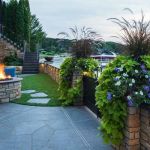 Contemporary Hardscape Trends to Watch in 2025 for Modern Outdoor Living
 How to Plant for Privacy Along Property Lines
 How to Use Container Planting in Small Spaces for a Beautiful Garden