
- pruning-basics - Understanding why shrubs and small trees need regular pruning
- tools-and-preparation - Choosing the right tools and preparing safely before cutting
- seasonal-timing - When to prune for best growth and flowering results
- step-by-step-techniques - Proper cutting methods for shrubs and small trees
- real-garden-story - A homeowner’s experience fixing overgrown landscape plants
- long-term-care-tips - How pruning supports long-term plant health and shape
Why Pruning Shrubs & Small Trees Matters for a Healthy Landscape
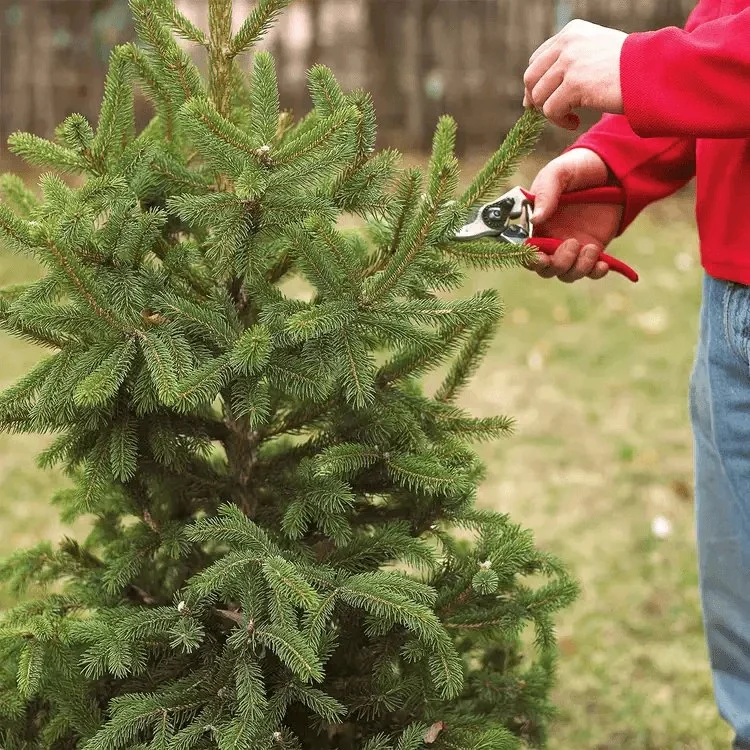
Learning how to properly prune shrubs & small trees is one of those gardening skills that looks simple from a distance but makes a huge difference once you understand it. A well-pruned landscape doesn’t just look cleaner—it grows stronger, lasts longer, and becomes easier to maintain over time.
In many American suburban gardens, shrubs are often left to grow naturally without structure until they become overgrown, uneven, or block sunlight from other plants. Small trees face a similar issue when lower branches are ignored for years. Proper pruning solves these problems while shaping healthier growth patterns.
Understanding the Science Behind Pruning Growth
1. How plants respond to cutting
When you prune a branch, you are not just removing growth—you are redirecting energy. Plants respond by pushing nutrients toward remaining buds, encouraging stronger and more controlled growth in desired directions.
This is why strategic pruning often results in fuller shrubs and more balanced tree structures rather than weaker plants. Without pruning, energy gets distributed unevenly, leading to crowded branches and poor air circulation.
2. Airflow, sunlight, and plant health
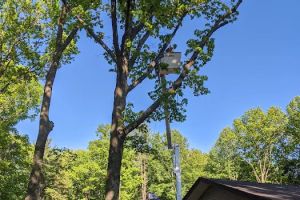
One of the most important reasons for pruning is improving airflow. Dense shrubs trap moisture, which can lead to fungal diseases. Small trees with thick inner branches also struggle to receive sunlight in lower areas.
By opening the structure, pruning helps plants “breathe,” which directly improves long-term health and reduces pest risks.
Essential Tools for Pruning Shrubs and Small Trees
1. Hand pruners for precision cuts
For thin stems and small branches, sharp bypass pruners are essential. Clean cuts heal faster and reduce plant stress.
2. Loppers for medium branches
When branches are thicker, loppers provide the leverage needed without damaging surrounding growth.
3. Pruning saws for small trees
For branches that exceed lopper capacity, a compact pruning saw ensures controlled and safe removal.
Many homeowners underestimate the importance of tool quality. Dull blades crush stems instead of cutting them cleanly, which slows healing and increases disease risk.
When to Prune for Best Results
1. Seasonal timing for shrubs
Most flowering shrubs should be pruned after blooming, not before. Pruning at the wrong time can remove flower buds and reduce seasonal blooms significantly.
2. Small tree maintenance timing
Small trees are generally best pruned during late winter or early spring when they are dormant. This allows wounds to heal quickly as growth resumes.
In warmer regions, light corrective pruning can also be done during summer to control shape.
Step-by-Step Guide to Proper Pruning Techniques
1. Start by identifying dead or damaged branches
The first step in learning how to properly prune shrubs & small trees is removing anything clearly unhealthy. Dead branches not only look bad but also drain energy from the plant.
2. Focus on structure before appearance
A common mistake is cutting only for shape. Instead, focus on structure first—remove crossing branches, inward-growing stems, and overcrowded areas.
3. Use the 1/3 rule for shrubs
Never remove more than one-third of a shrub at a time. Removing too much can shock the plant and slow recovery.
4. Make clean angled cuts
Cuts should be made just above a bud or branch junction at a slight angle. This prevents water from collecting on the cut surface and reduces rot risk.
Real Garden Story: Turning an Overgrown Yard into a Balanced Landscape
A homeowner in Oregon once shared a situation where their backyard shrubs had grown unchecked for nearly five years. The boxwoods had become uneven, and a small ornamental maple was blocking sunlight from surrounding plants.
After learning basic pruning principles and applying gradual corrections over two seasons, the yard transformed completely. The shrubs became dense and symmetrical again, while the maple developed a balanced canopy that allowed light to reach the garden floor.
The key lesson from this transformation wasn’t aggressive cutting—it was patience and consistency. Small, strategic pruning sessions over time created healthier results than one drastic overhaul.
Common Mistakes That Damage Shrubs and Small Trees
1. Topping trees incorrectly
Cutting the top of a tree without understanding growth structure often leads to weak, fast regrowth that is more prone to breakage.
2. Over-pruning in a single session
Removing too much at once can stress plants and reduce their ability to recover properly.
3. Ignoring plant species differences
Not all shrubs respond the same way. Some bloom on old wood, others on new growth, and pruning incorrectly can eliminate flowers for an entire season.
How Proper Pruning Supports Long-Term Landscape Design
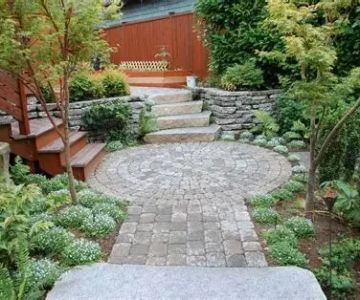
Good pruning is not just maintenance—it is design control. A well-shaped shrub or tree enhances curb appeal, improves property value, and reduces long-term maintenance costs.
Homeowners who consistently prune correctly often find their gardens easier to manage year after year. Plants stay within intended boundaries, reducing the need for heavy corrections later.
For homeowners looking to improve their landscape results further, resources like Beautiful Landscapes can help guide product choices and maintenance approaches tailored to different garden styles.
Final Thoughts on Building Better Pruning Habits
Mastering how to properly prune shrubs & small trees is less about perfection and more about understanding plant behavior. Once you learn how plants respond to cuts, every decision becomes more intentional and effective.
With the right timing, tools, and techniques, even an overgrown yard can be transformed into a structured and thriving landscape that improves year after year.




 Hubinger Landscaping Corporation4.0 (77 reviews)
 Willow Glen Lawn & Landscape, Inc.5.0 (40 reviews)
 Walmart Patio & Garden Services0.0 (0 reviews)
 Walmart Patio & Garden Services0.0 (0 reviews)
 Cornerstone Partners Horticultural Services Company4.0 (34 reviews)
 J.Perez Landscaping Inc.5.0 (3 reviews)
 How to Use Shade & Sun Zones to Maximize Space: Smart Outdoor Design Tips
 How to Choose Eco-Friendly Outdoor Flooring Options: Sustainable Choices for Your Garden
 Best Shrubs for Privacy & Screening in Your Yard
 How to Grow Groundcovers That Replace Traditional Lawns
 How to Revive a Neglected Lawn Step by Step
 How to Use Gravel Mulch for Modern Minimalist Garden Design