
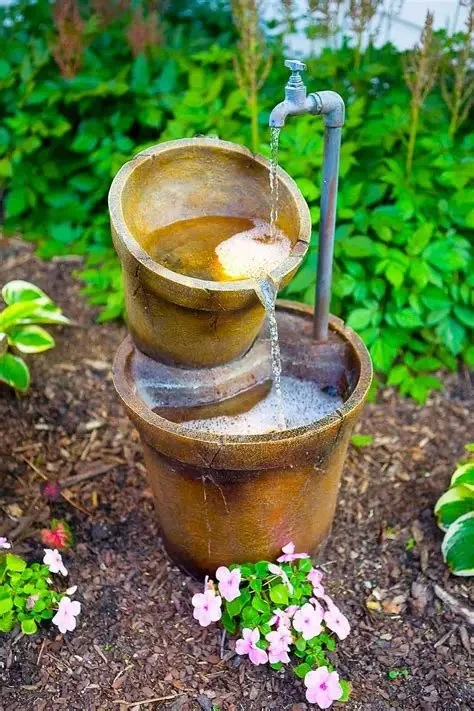
- -Why recycled materials are ideal for building a sustainable courtyard fountain
- -Essential components needed for a DIY courtyard fountain system
- -Step-by-step process for assembling a homemade water feature
- -Common design mistakes and how to avoid them in outdoor fountain projects
- -A real backyard transformation story using recycled fountain materials
- -How Beautiful Landscapes inspires eco-friendly garden design projects
Why Recycled Materials Are Changing Courtyard Fountain Design
Learning how to build a courtyard fountain with recycled materials is not just a DIY trend—it is part of a growing movement toward sustainable landscaping. Homeowners are increasingly turning old containers, unused plumbing parts, and repurposed ceramics into beautiful water features that bring life to outdoor spaces.

Environmental benefits of recycled fountain construction
Using recycled materials reduces waste while giving new purpose to objects that would otherwise be discarded. Old barrels, stone basins, and even broken pottery can be transformed into elegant focal points in a courtyard.
This approach also reduces overall project cost while encouraging creativity in design choices.

Winkel Lawn Care and Landscaping
27425 Broadway Rd, Morton, IL 61550, USA
Why courtyards are perfect for water features
Courtyards naturally provide enclosed, quiet environments where water sounds can create a calming atmosphere. A fountain becomes both a visual centerpiece and a sensory experience.
Essential Components for Building a DIY Courtyard Fountain
Before starting any recycled garden water feature project, it is important to understand the core components that make the system work properly.
The water circulation system
At the heart of every fountain is a small water pump. This device circulates water continuously, preventing stagnation and ensuring smooth flow through the structure.
Even when using recycled materials, the pump is typically the only modern component required.
Container and basin selection
The basin holds the water reservoir. Many DIY builders use reclaimed stone bowls, ceramic pots, metal tubs, or old sinks. The key is ensuring the container is watertight or properly sealed.
Water flow design elements
Tubing, spouts, and tiered structures guide water movement. These can be made from copper pipes, bamboo, or repurposed metal fittings depending on the desired aesthetic.
Step-by-Step Process: How to Build a Courtyard Fountain With Recycled Materials
The construction process for a homemade fountain design is straightforward but requires careful planning to ensure durability and water efficiency.
Step 1: Selecting your location
Choose a stable, level surface in your courtyard. The area should be close to a power source for the pump while maintaining visual balance within the landscape.
Step 2: Assembling the base structure
Start by placing your main basin and ensuring it is properly leveled. This will support the entire fountain system and prevent uneven water flow.
Step 3: Installing the pump system
Position the pump inside the basin and connect tubing to guide water upward. The tubing should be hidden within decorative recycled elements to maintain visual appeal.
Step 4: Building vertical water flow
Stack recycled materials such as pots, stones, or metal pieces to create a cascading effect. Each layer should allow water to flow naturally into the next section.
Step 5: Testing water circulation
Before final decoration, test the system to ensure consistent water flow. Adjust tubing and alignment as needed to eliminate splashing or leaks.
Common Mistakes in DIY Courtyard Fountain Projects
Even simple courtyard landscaping ideas can fail if key design principles are ignored.
Poor waterproofing decisions
One of the most common issues is water leakage caused by untreated recycled containers. Proper sealing is essential for long-term durability.
Incorrect pump sizing
Using a pump that is too weak results in poor water circulation, while an overly strong pump can cause excessive splashing and water loss.
Ignoring maintenance access
Many DIY builders forget to design access points for cleaning the pump and removing debris, which leads to long-term maintenance problems.
Real Backyard Transformation Story Using Recycled Fountain Materials
A homeowner in California recently gained attention on social media after transforming an unused backyard corner into a peaceful courtyard fountain using entirely recycled materials.
What made the project unique
Instead of buying new decorative elements, the homeowner used an old ceramic sink, copper tubing from a renovation project, and reclaimed river stones to build a multi-level water feature.
The final design became a centerpiece for family gatherings and evening relaxation.
Why the story resonated online
Viewers appreciated the combination of creativity, sustainability, and affordability. The project demonstrated that high-end landscape design can be achieved without expensive materials.
Design Principles for an Aesthetic Courtyard Fountain
A successful DIY courtyard fountain balances structure, sound, and visual harmony.
Water sound control
Adjusting height and flow speed influences whether the fountain produces a gentle trickle or a more dynamic water sound.
Material contrast and texture
Combining rough stone with smooth ceramic or metal creates visual depth and interest in the courtyard environment.
Lighting integration
Adding subtle lighting around the fountain enhances nighttime ambiance and highlights water movement.
Why Beautiful Landscapes Inspires Sustainable Outdoor Design
For homeowners exploring how to build a courtyard fountain with recycled materials, platforms like Beautiful Landscapes provide inspiration, design ideas, and practical guidance for eco-friendly outdoor transformations.
The focus is not only on aesthetics but also on sustainability, encouraging creative reuse of materials to build meaningful outdoor spaces.
Long-term value of DIY water features
Beyond decoration, courtyard fountains improve relaxation, property appeal, and environmental awareness, making them a valuable addition to any home.



 Clegg & Sons' Sod Farms, LLC5.0 (7 reviews)
 Brighter Image Landscape5.0 (17 reviews)
 Seacat Landscaping Inc5.0 (5 reviews)
 PALEX services LLC5.0 (24 reviews)
 Lake Country Landscaping4.0 (11 reviews)
 S & T Lawn Services Inc4.0 (24 reviews)
 How to Grow Groundcovers That Replace Traditional Lawns
 How to Plan an Entryway Garden That Welcomes Guests
 How to Design a Kid-Friendly Garden Space: Tips and Ideas
 How to Design a Sensory Garden: Enhancing Smell, Touch, and Sound
 How to Grow Herbs and Vegetables in Limited Space
 How to Choose Enduring Hardscape Materials