
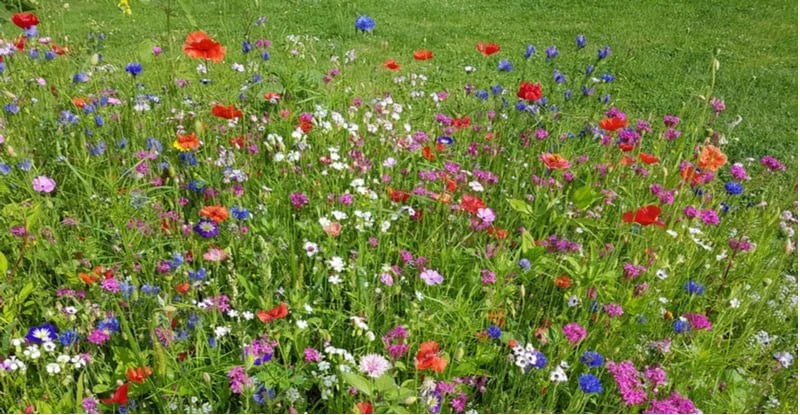
Converting Your Lawn Into a Wildflower Meadow: A Simple Guide
Transforming your traditional lawn into a wildflower meadow can be a rewarding and eco-friendly project. Not only will it enhance the beauty of your landscape, but it also benefits local wildlife and reduces the need for constant lawn care. In this guide, we will walk you through the steps to successfully convert your lawn into a vibrant wildflower meadow.

Why Convert Your Lawn Into a Wildflower Meadow?
There are several compelling reasons why you might consider converting your lawn into a wildflower meadow:
- Environmental benefits: Wildflower meadows help support biodiversity by attracting pollinators like bees, butterflies, and birds.
- Low maintenance: Wildflower meadows require far less maintenance than traditional lawns, reducing the need for mowing, watering, and chemical fertilizers.
- Beauty and color: A wildflower meadow adds a vibrant, natural beauty to your landscape with seasonal flowers that change throughout the year.
- Eco-friendly lawn care: Transitioning to a meadow helps reduce your carbon footprint by eliminating gas-powered lawn equipment and reducing water usage.
Steps to Convert Your Lawn into a Wildflower Meadow
Converting your lawn into a wildflower meadow requires careful planning and preparation. Follow these steps to ensure a successful transformation:

1. Prepare the Site
The first step in converting your lawn is to prepare the site properly. Start by removing the existing grass and weeds. You can either use a non-toxic herbicide, mow the grass short, or use a method called "solarization" where you cover the area with clear plastic to kill the grass. Make sure to break up any compacted soil to allow for proper root growth.
2. Prepare the Soil
Wildflowers thrive in well-draining soil, so it's important to prepare the soil accordingly. Test your soil to determine its pH and nutrient levels. Many wildflowers prefer slightly acidic to neutral soil (pH 6.0-7.0). If your soil is too alkaline, you can amend it with sulfur or organic compost to improve its fertility. Afterward, lightly rake the soil to create a fine seedbed for planting.
3. Select Your Wildflowers
Choosing the right wildflowers is crucial for the success of your meadow. Select native species that are well-suited to your region’s climate and soil conditions. Native plants are more likely to thrive and attract local pollinators. Some popular wildflowers for meadows include:
- Black-eyed Susan – A hardy, colorful flower that grows well in full sun.
- Purple Coneflower – Known for its vibrant purple petals and long bloom time.
- Wild Lupine – A beautiful flower that attracts pollinators like bees and butterflies.
- Butterfly Weed – A bright orange flower that’s perfect for attracting monarch butterflies.
Be sure to include a mix of annuals and perennials to ensure flowers throughout the growing season. You can purchase wildflower seed mixes or buy seeds individually from a trusted supplier like Beautiful Landscapes.
4. Seed the Area
Once you’ve prepared the soil and selected your flowers, it’s time to sow the seeds. Spread the seeds evenly over the soil, either by hand or with a broadcast spreader. Press the seeds into the soil gently by walking over the area or using a roller. Lightly cover the seeds with a thin layer of soil or mulch to protect them from birds and harsh weather conditions.
5. Water and Maintain the Meadow
Water the area lightly to help the seeds settle into the soil. After planting, water the meadow regularly, especially during dry spells, until the plants are established. However, avoid over-watering, as most wildflowers prefer dry conditions once established.
Once your wildflower meadow is established, maintenance becomes minimal. Simply mow the meadow once a year in late fall or early spring to remove dead plants and encourage new growth. In the first year, you may need to pull some weeds, but over time, the wildflowers will outcompete most unwanted plants.
Maintenance Tips for a Thriving Wildflower Meadow
To keep your wildflower meadow healthy and vibrant, consider these additional tips:
- Remove invasive species: Be on the lookout for invasive plants that may crowd out your wildflowers and take action early to remove them.
- Annual mowing: In late fall or early spring, mow your wildflower meadow to about 3 inches in height to remove old growth and allow new flowers to bloom.
- Keep the soil healthy: Regularly add organic compost or mulch to maintain soil fertility and encourage healthy plant growth.
Real-Life Example: Transforming a Lawn into a Wildflower Meadow
John and Sarah, homeowners in Oregon, decided to turn their small lawn into a wildflower meadow. After struggling with a high-maintenance lawn, they followed the steps outlined in this guide, selecting native wildflowers like California Poppy and Blanket Flower. Within a year, their meadow became a beautiful, thriving space that attracted bees, butterflies, and other wildlife. "It’s been amazing to see how quickly the wildflowers took off," Sarah said. "We spend less time maintaining it and more time enjoying it."
Get the Right Products for Your Wildflower Meadow
If you’re ready to start transforming your lawn into a wildflower meadow, visit Beautiful Landscapes for the best wildflower seeds, soil amendments, and gardening tools. Our curated selection of products will help you achieve a beautiful and sustainable meadow in no time.



 Springdyke landscape LLC5.0 (2 reviews)
 C&L Outdoor Projects, LLC0.0 (0 reviews)
 Lawn Maintenance Services5.0 (3 reviews)
 LNR SERVICES LLC4.0 (11 reviews)
 A Cut Above Lawn and Landscaping Services5.0 (6 reviews)
 TNH Lawn and Snow4.0 (21 reviews)
 How to Install a Drip Irrigation System in Your Landscape
 How to Shield Plants From Strong Winds in Your Yard
 How to Choose the Right Mulch for Effective Weed Suppression
 htmlCopy codeHow to Create a Bee-Friendly Yard Without Attracting Pests
 How to Landscape a Rooftop Garden for Relaxation | Beautiful Rooftop Designs
 How to Create a Nighttime Garden Experience