
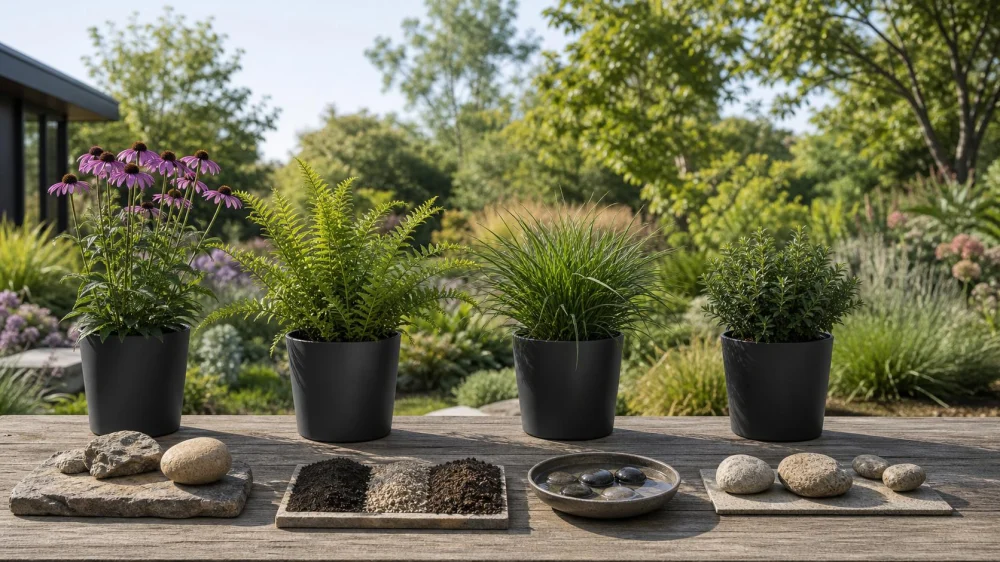
Native Plant Selection: Match Region, Sun, Soil, and Space
On this page
- Quick answer
- Define native for the project
- Match the ecoregion and source
- Record real site conditions
- Plan mature size and behavior
- Choose plants for specific goals
- Verify plants at the nursery
- Plan establishment and maintenance
- Native plant selection checklist
- Frequently asked questions
- Sources and evidence notes
- Conclusion and next steps
Quick answer
“Native” is a starting filter, not a complete plant specification. Confirm that a plant is native to the relevant region, then match its light, soil texture and drainage, seasonal moisture, temperature, elevation, exposure, mature size, growth habit, and maintenance needs to the exact planting spot.
Use state natural-resource agencies, university extension, native-plant societies, conservation districts, and reputable nurseries to verify scientific name and regional status. Avoid buying by a common name alone, because one name can refer to several species and a species native elsewhere in the country may not be local to your ecosystem.
Define native for the project
A practical definition describes a species that occurred naturally in a region and ecosystem without human introduction. The relevant scale can be a state, watershed, ecoregion, or local habitat depending on whether the goal is a home garden, pollinator corridor, restoration site, or land next to a natural area.
Write the project goal before making a list. A formal front bed may prioritize compact form and long seasonal structure; a restoration edge may prioritize locally sourced genetics and ecological function. Do not assume a native species is automatically rare, nonaggressive, drought-proof, deer-proof, or suitable beside a walkway.
Smart Lawn Care Solutions LLC
Fort AtkinsonWinneshiek CountyIowa
1458 271st Ave, Fort Atkinson, IA 52144, USA
Match the ecoregion and source
USDA Forest Service guidance for restoration recommends comparing plant-material origin with the project’s ecoregion, elevation, hydrology, aspect, associated vegetation, and frost dates. Those factors help avoid moving a plant adapted to one climate or moisture regime into another.
For a home landscape, ask where the seed or stock originated and whether local experts recommend the species for your county and site. Projects adjacent to intact natural land may need stricter provenance requirements. Confirm local rules before collecting seed or plants; never remove material from public or protected land without permission.
Record real site conditions
Measure hours of direct sun in more than one season. Note morning versus hot afternoon sun, shade from future leaves, reflected heat from walls, wind, salt, roof runoff, irrigation overspray, snow storage, and competition from tree roots. A label reading “part shade” cannot capture all these differences.
Observe whether soil drains rapidly, stays saturated, compacts, erodes, or changes across the bed. Use a soil test when nutrient or pH decisions matter. Record USDA hardiness zone as one cold-temperature reference, but also consider heat, humidity, rainfall pattern, and local microclimate.
Plan mature size and behavior
Use expected mature height and spread under local conditions, not the size in the nursery pot. Keep plants clear of doors, windows, HVAC access, meters, signs, sight triangles, utilities, foundations, roof edges, paths, and neighboring property. Allow room for pruning and maintenance.
Ask whether the plant spreads by rhizomes, stolons, suckers, or abundant seed and whether that behavior suits the bed. A vigorous groundcover can be valuable on a slope but difficult in a small mixed border. Confirm thorns, irritating sap, toxic plant parts, brittle branches, and fruit drop where children, pets, or pedestrians use the area.
Choose plants for specific goals
Translate broad goals into functions: spring nectar, summer host plant, winter seed, dense erosion control, seasonal screening, rain-garden bottom, dry shade, or street-edge salt tolerance. Build a layered list with trees, shrubs, grasses, sedges, and flowering perennials only where each layer fits.
Use several species rather than relying on one plant across the entire property. Diversity can extend bloom and habitat seasons and reduce the impact of one pest or weather event. Verify wildlife relationships locally instead of assuming every native flower serves every pollinator.
Verify plants at the nursery
Match the full scientific name on the tag to the list, including cultivar when present. Ask whether the plant is a straight species, cultivar, hybrid, or substitute. A substitution may change mature size, flower form, fertility, disease resistance, or ecological value.
Inspect roots, trunk flare, stems, leaves, and moisture. Reject plants with circling woody roots, severe damage, active pests, or a buried trunk flare. Keep the receipt and tag, and record supplier, source, pot size, purchase date, and planting location for warranty and performance tracking.
Plan establishment and maintenance
Even drought-tolerant native plants need water while roots establish. Set an observation-based watering plan that accounts for rainfall, soil, root ball, season, and species. Mulch at the appropriate depth without piling it against crowns or trunks, and keep weeds from competing during establishment.
Decide how spent stems, seed heads, spreading plants, and spring cleanup will be managed. Avoid routine fertilizer or pesticide unless a diagnosed need and label-supported treatment justify it. Reassess survival, growth, bloom, wildlife use, and maintenance burden after each season and adjust the plant map.
Native plant selection checklist
- Define the geographic and ecological meaning of native.
- Write the function of each planting area.
- Verify scientific name and regional status.
- Record sun, soil, drainage, moisture, heat, wind, and salt.
- Check ecoregion, elevation, hydrology, and frost fit.
- Plan mature height, spread, and growth behavior.
- Review thorns, toxicity, fruit drop, and pedestrian conflicts.
- Confirm cultivar, hybrid, and source at purchase.
- Inspect plant health and root structure.
- Plan establishment water, weeds, records, and review.
Frequently asked questions
Is any U.S. native plant native to my yard?
No. Native status is regional and ecological, so verify the relevant state, ecoregion, and habitat.
Do native plants need no water?
No. They need establishment care, and mature water needs depend on species and site.
Does native mean noninvasive in a small bed?
No. A locally native plant can spread vigorously and overwhelm a space that is too small.
Are cultivars the same as straight species?
Not necessarily. Selected traits may change size, flower, fertility, or ecological relationships.
Can I collect plants from the wild?
Only with landowner permission and compliance with all laws; protected lands and species may prohibit collection.
What matters beyond hardiness zone?
Sun, heat, moisture, soil, wind, elevation, and microclimate all affect performance.
Sources and evidence notes
The U.S. Forest Service’s Introduction to Using Native Plants emphasizes matching native plant materials with site factors including ecoregion, elevation, hydrology, aspect, associated vegetation, and frost dates. The U.S. EPA’s green infrastructure drought guidance notes that plant choice must reflect local soils, slope, land use, water needs, and site risks.
Regional plant lists and local regulations change. Confirm selections with current state, extension, conservation, and nursery sources for the project location.
Conclusion and next steps
Choose native plants through a two-stage match: first confirm the plant belongs to the relevant region and project goal, then verify that the actual site can support its mature form and ecological behavior. Record names and sources, plan establishment care, and review performance rather than expecting the word “native” to guarantee success.
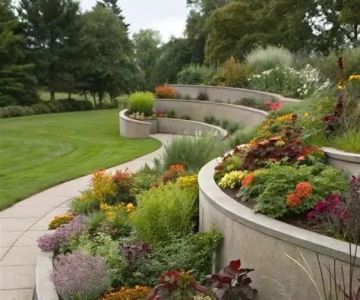
 Liebl Habitat Solutions LLC5.0 (3 reviews)
 A+ Outdoor Services, LLC5.0 (146 reviews)
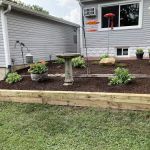 Wimmer Landscaping5.0 (51 reviews)
 Platinum Patio and Pavers5.0 (45 reviews)
 Backyard Kreations3.0 (15 reviews)
 Denver Home & Lawn0.0 (0 reviews)
 How to Use Ornamental Grasses as Soft Barriers | Beautiful Landscapes
 How to Reduce Maintenance with Smart Plant Grouping
 How to Use Potted Trees to Frame Entrances and Patios
 How to Create a Garden That Thrives in Shade
 How to Create a Timeless Garden That Grows More Beautiful Each Year
 Landscape Material Delivery and Staging: A Homeowner Checklist