
How to Add Curves & Flow to Landscape Design
- curved-pathways-foundation - Understanding why curves matter in modern landscape design
- natural-flow-principles - How to create movement and visual rhythm in outdoor spaces
- garden-layout-techniques - Practical methods for shaping soft and organic landscapes
- real-project-case-study - A homeowner transformation story using curved landscape design
- planting-and-structure-balance - How plants, paths, and hardscape work together
Why Curves Matter More Than Straight Lines in Outdoor Design
When people first explore how to add curves & flow to landscape design, they often imagine it is purely an aesthetic choice. In reality, curves fundamentally change how a space feels, moves, and functions. Straight lines create structure, but curves create emotion.
In traditional American suburban yards, straight walkways and boxy lawn edges dominate. While functional, they can feel rigid and predictable. Curved landscape design introduces softness, guiding the eye naturally across the yard and making even small spaces feel larger and more dynamic.
A landscape designer once described curves as “visual breathing room.” Instead of forcing the eye to stop at sharp angles, curved garden beds and pathways allow movement to continue, creating a sense of discovery with every step outside.

Garity Acres
OconomowocWaukesha CountyWisconsin
1288 Summit Ave STE 107 - 120, Oconomowoc, WI 53066, USA
Understanding the Core Principles of Garden Flow
Movement as the Foundation of Design
Garden flow is not just about decoration—it is about how people move through a space. When designing with curves, the goal is to create a natural walking rhythm that feels intuitive rather than forced.
Instead of directing someone in a straight line from point A to point B, curved pathways encourage exploration. This subtle change transforms a backyard into an experience rather than just an area.
Visual Weight and Balance in Outdoor Layouts
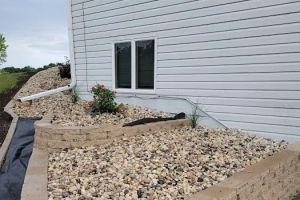
One of the most overlooked aspects of backyard flow design tips is visual balance. Curves help distribute visual weight more evenly across a landscape. A curved garden bed, for example, can soften the harshness of a fence line or building edge.
This technique is especially powerful in small yards where straight lines can make the space feel compressed.
Practical Ways to Add Curves to Your Landscape
Start with Pathways That Guide Movement Naturally
One of the easiest entry points into landscape design curves is the pathway system. Instead of installing straight concrete or stone paths, gently arc them toward focal points like patios, trees, or seating areas.
A homeowner in Colorado shared how replacing a straight backyard path with a soft S-curve completely changed the way their family used the garden. Children began exploring more, and evening walks became more enjoyable simply because the space felt more inviting.
Shape Garden Beds with Organic Edges
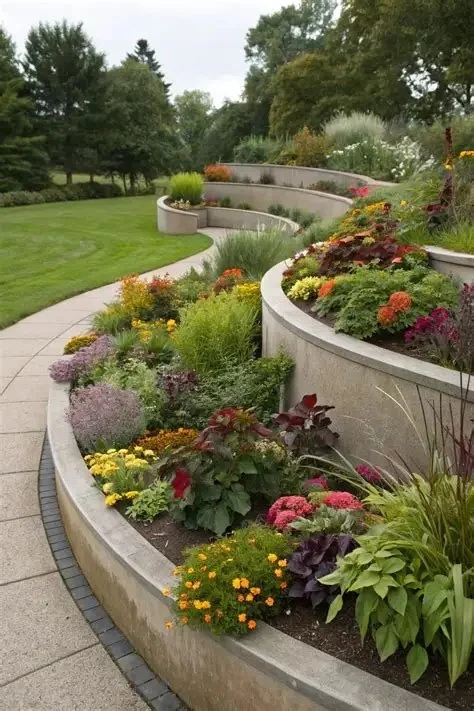
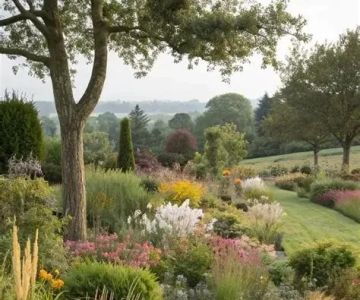
Curved garden beds are another essential element of soft landscape layout. Rather than rigid rectangles, beds shaped with flowing edges allow plants to appear more natural and layered.
This technique works especially well when combining shrubs, ornamental grasses, and flowering perennials. The result feels less like a “planted area” and more like a living ecosystem.
Use Hardscape Elements to Reinforce Flow
Stone walls, patios, and edging can also support curved landscape design. The key is consistency—once curves are introduced in one element, they should be echoed throughout the space to maintain visual harmony.
For example, a curved patio paired with straight garden beds can feel disjointed. But when both elements follow soft organic shapes, the entire yard becomes cohesive.
Real-Life Case Study: Transforming a Flat Backyard into a Flowing Space
A widely shared home improvement story online featured a family who struggled with their narrow, rectangular backyard. The space felt unused and uninspiring despite having good square footage.
They decided to redesign using curved landscape principles. Instead of a straight lawn, they introduced a winding gravel path, layered planting beds, and a circular seating area at the far end of the yard.
Within weeks, the space transformed completely. What was once a static lawn became a multi-zone garden experience. The homeowner later described it as “walking through different moods of the same yard.”
This transformation highlights how how to design curved pathways is not just about aesthetics—it directly impacts lifestyle and how outdoor spaces are enjoyed.
Plant Selection That Enhances Natural Flow
Layering Plants for Depth and Movement
Plants play a critical role in reinforcing curves. Layering taller plants at the back and shorter ones near edges enhances the perception of depth and motion.
Grasses that sway in the wind, such as ornamental fountain grass, are particularly effective in reinforcing flow. Their movement physically mirrors the visual curves in the landscape.
Repeating Shapes for Visual Harmony
Repetition is a powerful design tool. Repeating curved shapes in planting clusters helps unify the space. For instance, grouping plants in gentle arcs rather than straight rows enhances natural garden shaping.
Common Mistakes When Designing with Curves
Overusing Random Shapes Without Purpose
One mistake beginners make is adding curves without structure. Curves should guide movement and focus, not feel random or decorative for their own sake.
Ignoring Scale and Proportion
Small yards require tighter curves, while larger landscapes can handle broader, sweeping arcs. Misjudging scale can make a yard feel cluttered or overly empty.
Breaking Flow with Inconsistent Elements
Mixing straight and curved elements without intention often disrupts the visual rhythm. Successful design requires consistency across pathways, beds, and focal points.
Professional Insights for Long-Term Landscape Success
Experienced designers often emphasize that curves should feel inevitable, as if the landscape naturally evolved that way. This is achieved through subtle transitions rather than dramatic changes in direction.
When planning a backyard redesign, it helps to walk the space physically before finalizing any layout. Many professionals trace paths with a garden hose first to test how curves feel in real movement.
For homeowners looking to elevate their outdoor space, platforms like Beautiful Landscapes offer inspiration, materials, and design guidance tailored to achieving balanced and natural outdoor environments.
Bringing It All Together Through Intentional Design
Mastering how to add curves & flow to landscape design is less about rules and more about observation. Nature rarely grows in straight lines, and the most inviting outdoor spaces reflect that same organic logic.
When curves are applied thoughtfully—through pathways, plantings, and structural elements—they create outdoor environments that feel more alive, more spacious, and more connected to the way people naturally move and experience space.

 Premier Landscape Solutions3.0 (3 reviews)
 Yoder Advance Landscaping0.0 (0 reviews)
 VanBeck Stocker's Landscaping and Lawn Care5.0 (134 reviews)
 Wunder Grun LLC5.0 (1 reviews)
 Xtreme Curbing LLC0.0 (0 reviews)
 Be Green Pro - Organic-Based Lawn Care & Naturally-Based Pest Control4.0 (210 reviews)
 Best Native Plants for Drought-Tolerant Landscaping – Smart Water-Saving Garden Guide
 How to Create a Butterfly Pathway Through Your Garden
 Lazy Lawn Care: How to Maintain Grass with Minimal Effort
 How to Design With Movement: Plants That Sway Gracefully in Your Garden
 How to Use Accent Trees for Visual Impact: Enhance Your Landscape Design
 How to Choose the Right Mulch for Effective Weed Suppression