
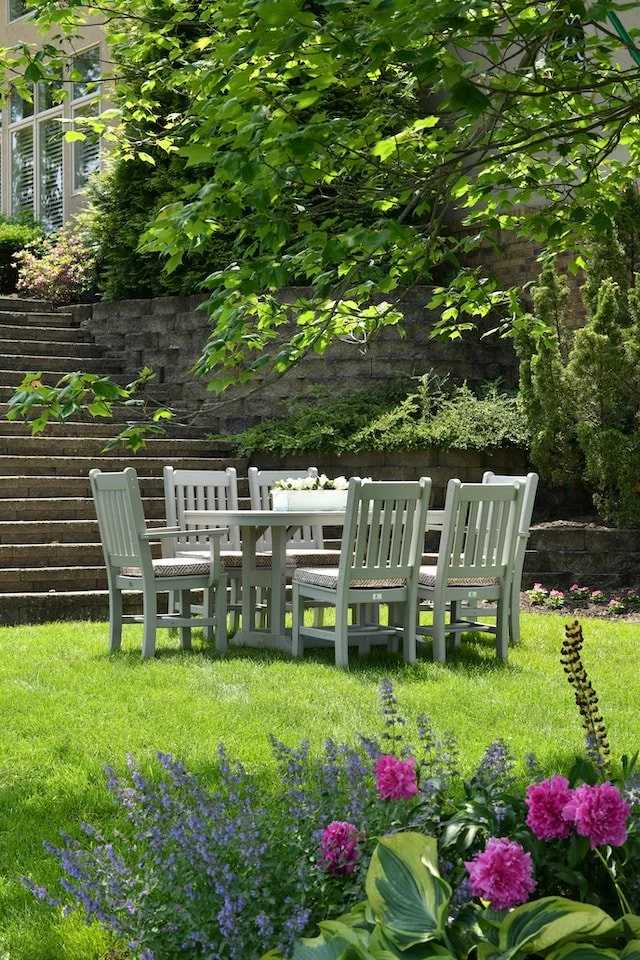
- timeless-garden-foundations - building structure and long-term landscape planning
- perennial-garden-strategy - choosing plants that improve with age
- layered-garden-design - creating depth and seasonal harmony
- sustainable-maintenance-practices - keeping gardens healthy year after year
- real-garden-transformation-story - a homeowner’s long-term landscape journey
Building the Foundation of a Garden That Improves With Time
A truly timeless garden design is not something that reaches perfection overnight. It evolves slowly, gaining texture, color, and character each year. Many homeowners make the mistake of thinking a garden should look finished immediately, but the most memorable landscapes are the ones that grow into themselves.
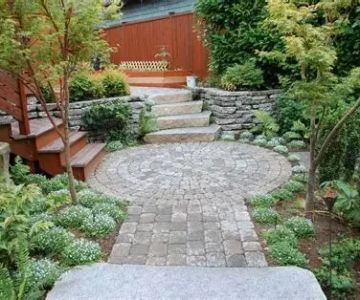
When planning a long-lasting outdoor space, structure matters more than immediate decoration. Paths, focal points, and planting zones create the “bones” of a garden that will support future growth. Without this foundation, even the most beautiful plants can feel disorganized over time.
Choosing Plants That Become More Beautiful Over Time
Why Perennials Are the Core of Long-Term Beauty
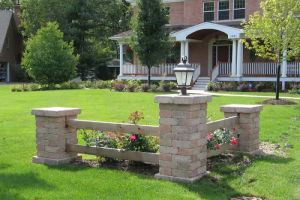
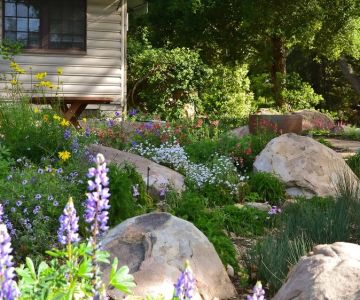
A successful perennial garden ideas strategy focuses on plants that return stronger each year. Unlike annuals that require replanting, perennials build root systems that expand, bloom more abundantly, and adapt to local conditions over time.
Examples include lavender, peonies, ornamental grasses, and hydrangeas. These plants don’t just survive—they mature into fuller, more expressive versions of themselves.
Native Plants and Environmental Harmony
Incorporating native species is one of the smartest approaches to sustainable garden planning. These plants are already adapted to soil, rainfall, and climate conditions, meaning they require less maintenance and thrive with minimal intervention.
A homeowner in Oregon once shared how replacing half her lawn with native wildflowers transformed her yard into a self-sustaining ecosystem within three years. Birds returned, soil quality improved, and watering needs dropped significantly.
Layering Techniques That Create Depth and Visual Flow
Understanding Vertical Garden Structure
A well-designed garden is not flat—it has layers. This is where garden layering techniques become essential. Trees form the upper canopy, shrubs create mid-level structure, and ground covers fill in the base.
This vertical arrangement gives a garden depth that changes with perspective. As plants mature, they naturally fill in gaps, making the landscape feel richer over time.
Seasonal Rotation for Continuous Beauty
A timeless garden is never static. By combining early bloomers, summer performers, and fall foliage plants, you ensure that the garden always has something visually engaging throughout the year.
For example, tulips and daffodils announce spring, roses dominate summer, and Japanese maples bring fiery tones in autumn. This rhythm creates emotional connection with the space across seasons.
How Gardens Improve Instead of Decline Over Time
Unlike interior design, gardens are living systems. A well-planned low maintenance landscaping approach allows nature to take over many design responsibilities. Instead of fighting growth, you guide it.
Over time, soil becomes richer, plant roots stabilize erosion, and microclimates develop within the garden. This natural evolution is what makes mature gardens feel almost magical compared to newly built ones.
Real Story: A 10-Year Backyard Transformation
A couple in Colorado started with a completely empty backyard—just compacted soil and construction debris. Their goal was not instant beauty but long-term transformation. Instead of filling the space quickly, they invested in structure first: stone pathways, a central seating area, and a few anchor trees.
In the first two years, the garden looked sparse. But by year five, shrubs had filled in, perennials had established strong roots, and climbing vines softened hard edges. By year ten, the garden felt like a natural retreat rather than a designed space.
What made this transformation successful was patience and consistent planting decisions aligned with long-term growth rather than immediate appearance.
Designing for Time Instead of Trends
Why Trend-Based Gardening Fails Long Term
Many gardens struggle because they are built around short-term design trends. Bright color schemes or exotic plants may look appealing initially but often require high maintenance and don’t adapt well over time.
Classic Design Principles That Always Work
A truly timeless garden design relies on balance, repetition, and simplicity. Repeating plant shapes across different areas creates unity. Using natural curves instead of rigid lines allows the garden to feel organic and evolving.
These principles never go out of style because they mirror nature itself.
Maintenance That Supports Long-Term Growth
Letting Nature Do the Work
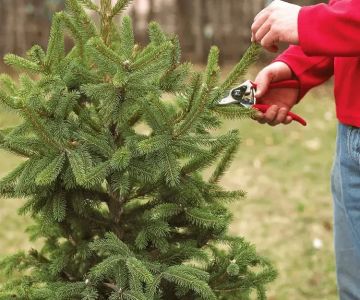
One of the secrets of low maintenance landscaping is knowing when to step back. Over-pruning or constantly redesigning can disrupt natural development. Instead, seasonal trimming and soil enrichment are often enough.
Soil Health as the Hidden Foundation
Healthy soil is what determines whether a garden thrives or struggles. Adding organic compost annually, reducing chemical fertilizers, and allowing mulch layers to break down naturally improves plant resilience year after year.
Many professional landscapers emphasize that soil improvement is more important than plant selection in long-term garden success.
Creating Emotional Connection Through Outdoor Spaces
A timeless garden is not only about visual appeal—it becomes part of daily life. Morning coffee spots, shaded reading corners, and evening gathering spaces turn the garden into an extension of the home.
A family featured in a gardening community once described how their backyard became their “unofficial living room” after five years of gradual planting. Children grew up in the space, and seasonal changes became shared family memories.
For those seeking inspiration, curated ideas and materials from Beautiful Landscapes can help refine planting choices and structural design for long-term outdoor transformation.
Allowing a Garden to Mature Naturally Over Time
The most important mindset shift in gardening is accepting that perfection is not immediate. A garden that improves each year is one that is given time, space, and thoughtful direction.
When structure, plant selection, and maintenance work together, the result is a living landscape that becomes more beautiful, not less, with every passing season.

 Bear Landscaping and Snow Removal LLC4.0 (20 reviews)
 EcoHaven landscaping and ponds5.0 (4 reviews)
 JV Landscaping3.0 (15 reviews)
 ER Yard & Landscape Drainage5.0 (8 reviews)
 Big Timber Landscape Co5.0 (2 reviews)
 JS lawn and landscaping services LLC4.0 (13 reviews)
 How to Water Deep vs Frequent: Pros & Cons for Healthy Plants
 How to Create a Meditation Space in Your Backyard for Peaceful Outdoor Living
 How to Use Outdoor Mirrors to Create Illusions of Space
 Best Ways to Stage Your Front Yard for Curb Appeal
 How to Build and Maintain a Backyard Pond
 How to Create a Garden That Attracts Birds Year-Round