
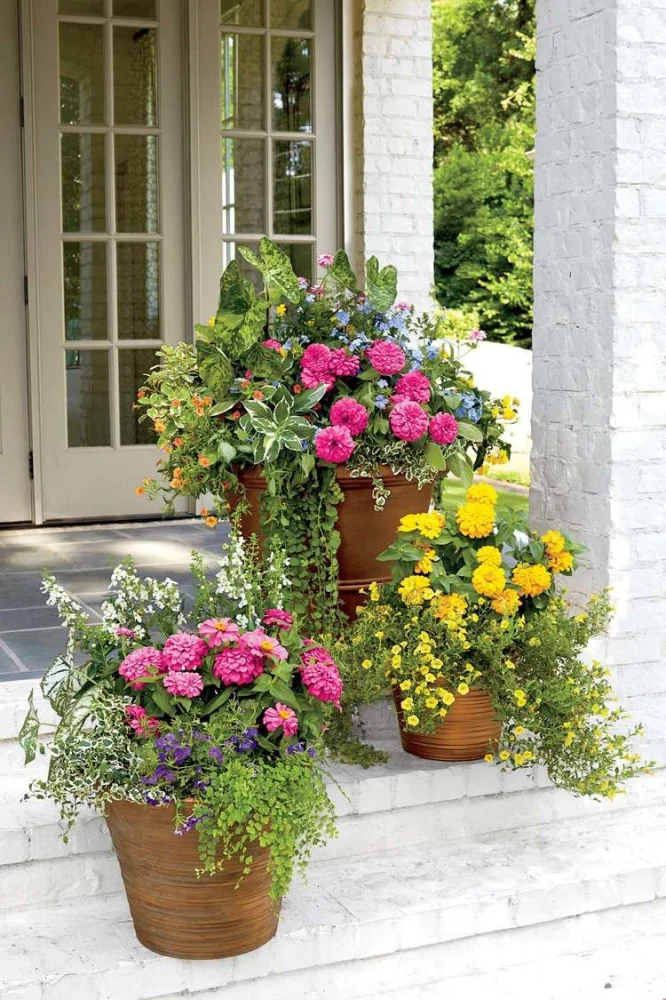
- doorway-design-principles - understanding balance, symmetry, and visual framing
- container-garden-basics - choosing pots, soil, and plant combinations
- plant-selection-ideas - best plants for entrance impact
- seasonal-maintenance - keeping doorway gardens fresh year-round
- real-life-inspiration - practical examples and styling stories
How to Use Container Gardens to Frame Doorways for Lasting First Impressions
A well-designed entrance sets the tone for an entire home, and container gardens are one of the most effective ways to create that instant visual impact. When thoughtfully arranged, they act like natural architecture—guiding the eye toward the doorway while adding warmth, color, and personality.
A homeowner in Oregon once shared how her plain front porch transformed after adding just two large pots with seasonal flowers. Neighbors started commenting on the “welcoming energy” of her home, proving that small changes can dramatically enhance curb appeal landscaping without major renovation costs.

Understanding Doorway Framing Principles in Container Gardening
1. Balance and Symmetry
One of the most important design concepts in container gardens is balance. Placing identical or visually complementary pots on both sides of a doorway creates symmetry, which naturally feels welcoming and organized.
Symmetry doesn’t always mean exact duplication. Even asymmetrical designs can work if visual weight is balanced through height, color, or plant density.

DAVID'S LAWN SERVICES LLC
Lake MillsJefferson CountyWisconsin
712 Linden St, Lake Mills, WI 53551, USA
2. Guiding the Eye Toward the Entrance
The goal of doorway framing plants is to subtly direct attention toward the entrance. Tall plants near the door edges and trailing plants that soften the sides help create a natural pathway for the eye.
Think of it as visual storytelling—your entrance becomes the “main character,” and the plants act as supporting elements.
Building Effective Container Gardens for Entryways
Choosing the Right Containers
Container selection is just as important as plant choice. Large ceramic pots create a bold statement, while wooden planters add a rustic, natural charm. For modern homes, sleek metal or concrete containers work best.
A common mistake is using containers that are too small. Oversized doorways need proportional pots to avoid a “lost” or unbalanced appearance.
Soil and Drainage Essentials
Healthy plants begin with proper soil. Good drainage prevents root rot, especially in outdoor conditions where rainfall varies. Mixing potting soil with organic compost helps maintain moisture while supporting plant growth.
Best Plant Choices for Front Porch Plants and Entry Design
1. Tall Structural Plants
Plants like ornamental grasses, dwarf cypress, or small palm varieties create height and structure. These are essential for framing the vertical space of a doorway.
2. Mid-Level Color Plants
Flowers such as petunias, geraniums, and begonias add vibrant color at eye level. These plants often become the focal point of container gardening ideas around entrances.
3. Trailing Plants for Softness
Ivy, creeping jenny, and trailing lobelia soften hard edges and create a flowing visual effect. They help blend containers naturally into the surrounding architecture.
Seasonal Adjustments for Entrance Garden Design
Spring and Summer Styling
During warmer months, bright blooms and lush greenery dominate. This is the ideal time to experiment with bold colors and layered planting styles.
A suburban family in Texas once redesigned their porch every spring using vibrant petunias and marigolds, turning their entryway into a neighborhood highlight.
Fall and Winter Transitions
In colder seasons, evergreen plants, ornamental cabbage, and berries help maintain structure and color. Even without flowers, well-designed containers can still look visually appealing.
Real-Life Inspiration from Container Garden Transformations
A small café owner in Chicago shared how adding symmetrical container gardens at her entrance changed customer perception. Before the redesign, the entrance felt plain and overlooked. After placing tall planters with seasonal flowers on both sides of the door, foot traffic increased because people were drawn in by the inviting aesthetic.
This is a powerful example of how container gardens can influence not only residential spaces but also commercial environments.
For homeowners looking to explore curated ideas, plant combinations, and decorative container solutions, platforms like Beautiful Landscapes offer inspiration and resources tailored for entrance garden design improvements.
Design Mistakes to Avoid in Doorway Framing Plants
Overcrowding the Entrance
Too many pots can make an entrance feel cluttered rather than welcoming. Negative space is just as important as greenery.
Ignoring Scale and Proportion
Small containers in front of a large doorway can feel disconnected. Always match container size to architectural scale.
Neglecting Maintenance
Wilted or overgrown plants reduce curb appeal instantly. Regular trimming and seasonal updates keep the entrance fresh and inviting.
Creating a Long-Term Entrance Garden Strategy
A successful doorway design evolves over time. Instead of treating container gardens as a one-time setup, think of them as living design elements that change with seasons and personal style preferences.
By experimenting with textures, heights, and colors, homeowners can continuously refine their entrance garden design while maintaining a cohesive aesthetic.
Ultimately, how to use container gardens to frame doorways is about combining creativity with structure—turning an everyday entryway into a memorable visual experience that reflects personality and warmth.



 Grounds Quality4.0 (81 reviews)
 Murphy Landscape & Design4.0 (7 reviews)
 Ridge Property Maintenance5.0 (1 reviews)
 NEAT Landscapes4.0 (9 reviews)
 Built by Burkett0.0 (0 reviews)
 Mascari Lawn & Landscape4.0 (8 reviews)
 How to Design a Kid-Friendly Garden Space for Fun and Safety
 How to Balance Formal & Informal Garden Styles – Expert Landscaping Tips
 How to Use Planters to Add Height and Structure to Your Garden
 How to Create a Front Walk That Makes a Great First Impression
 How to Plan a Backyard for Entertaining Large Groups
 How to Prep Your Yard for a Landscape Makeover