
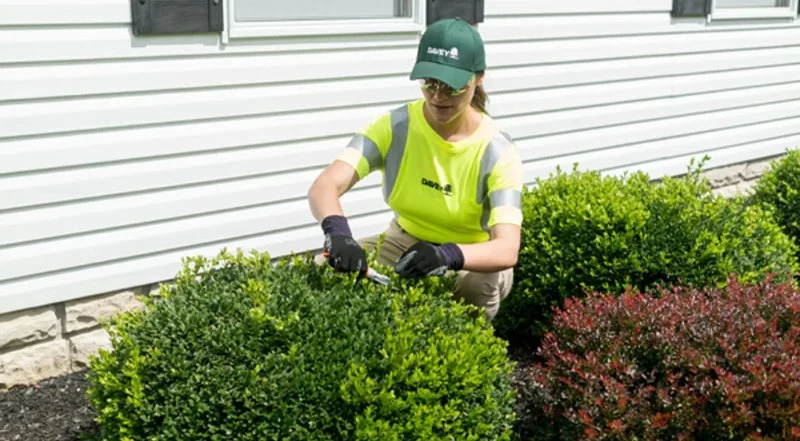
- watering-schedule-basics - Establishing the first 30 days of care for new plants
- soil-and-root-establishment - Understanding how roots adapt after planting
- mulch-and-moisture-control - Keeping soil balanced and protected
- weather-and-season-adjustments - Adapting care based on climate changes
- common-mistakes-to-avoid - Preventing early landscape failure
Understanding the First Stage of a Newly Planted Landscape
A newly installed yard looks finished on the surface, but underground a very different process is just beginning. When people search for how to care for a newly planted landscape, they often expect complex gardening techniques. In reality, the first few weeks are about stability—helping roots adjust, maintaining consistent moisture, and avoiding stress that could interrupt establishment.
One homeowner in Arizona shared a relatable experience: after investing in a full front-yard redesign, they assumed occasional watering would be enough. Within two weeks, several shrubs began to droop. The issue wasn’t poor-quality plants—it was inconsistent soil moisture. Once a proper watering rhythm was introduced, recovery began almost immediately. This kind of situation is extremely common in new landscaping projects.
For anyone looking to build a long-lasting outdoor space, early care decisions matter more than any future fertilization or pruning routine. This stage sets the foundation for everything that follows.
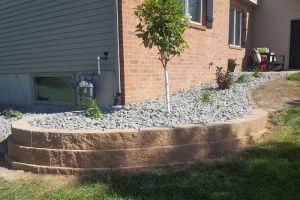
Watering Strategy That Helps Roots Establish Strong Foundations
Water is the most critical factor during early plant establishment. However, more water does not always mean better results. The goal is consistency, not excess.
Deep and Controlled Watering Approach
New landscapes benefit from deep watering sessions rather than frequent light sprinkling. When water penetrates deeper into the soil, roots are encouraged to grow downward instead of staying near the surface. Surface-rooted plants are more vulnerable to heat and drought.
A practical approach used by many professionals involves watering slowly until the soil becomes evenly moist about 6–8 inches deep. This encourages stronger structural growth below the surface.
Timing and Frequency Adjustments
During the first two weeks, most landscapes require watering every 1–2 days depending on temperature. After that, frequency can gradually reduce while increasing depth. Hot climates may require extended monitoring, especially during afternoon heat spikes.
In one real suburban case in Nevada, a newly planted front yard survived extreme summer heat only because the homeowner adjusted watering from a fixed schedule to a temperature-responsive approach. This flexibility made all the difference.
Soil Conditions and Root Development After Planting
Healthy soil is more than dirt—it is a living system that supports root expansion. After planting, soil naturally compacts slightly, which can affect airflow and water movement.
Encouraging Oxygen Flow Around Roots
Roots need oxygen as much as they need water. If soil becomes too dense, root growth slows down significantly. Light aeration of the top layer (without disturbing root zones) can improve oxygen exchange.
This is especially important for clay-heavy soils, which tend to retain water longer and limit airflow.
Monitoring Early Root Spread
During the first month, plants often show little visible growth above ground. This is normal. Most energy is directed toward establishing roots. Patience during this phase is essential because visible growth often lags behind underground development.
Professional landscapers often describe this as the “silent growth phase,” where success is happening out of sight.
Mulch Application and Moisture Protection Techniques
Mulch plays a protective role in stabilizing soil temperature and moisture levels. It acts like a natural barrier that reduces evaporation and prevents weeds from competing with young plants.
Proper Mulch Depth for New Landscapes
A layer of mulch between 2–3 inches is generally ideal. Too little mulch fails to protect moisture, while too much can suffocate roots by limiting oxygen exchange.
In humid regions, slightly lighter mulch layers help prevent excess moisture buildup, while dry regions benefit from slightly thicker coverage.
Real-Life Garden Recovery Example
A community garden in Texas experienced plant stress after installation due to high evaporation rates. Once mulch was evenly applied, soil temperature stabilized, and plant recovery improved within days. This simple adjustment dramatically improved survival rates.
For homeowners managing similar challenges, companies like Beautiful Landscapes often provide region-specific mulch and soil care recommendations tailored to climate conditions.
Seasonal Adjustments That Protect Young Plantings
New landscapes are highly sensitive to seasonal transitions. Temperature swings, rainfall changes, and wind exposure can all affect plant stability.
Hot Weather Protection
During extreme heat, watering early in the morning reduces evaporation loss. Shade cloths can also be used temporarily for delicate plants during peak sun hours.
Cold Weather Considerations
In cooler seasons, overwatering becomes a risk. Soil retains moisture longer, and root activity slows down. Adjusting irrigation schedules prevents root rot and stress damage.
A homeowner in Colorado once reported losing several shrubs due to unchanged watering habits during early winter. After adjusting frequency and improving drainage awareness, later plantings thrived successfully.
Common Mistakes That Affect New Landscape Success
Even well-planned landscapes can struggle if early care mistakes occur. The most common issues include irregular watering, ignoring soil drainage, and compacting soil too heavily after installation.
Overwatering vs Underwatering Confusion
One of the most frequent misunderstandings is assuming drooping plants always need more water. In reality, both overwatering and underwatering can produce similar symptoms. Checking soil moisture before adjusting irrigation is essential.
Foot Traffic Damage
New landscapes should be protected from heavy foot traffic. Soil compression can disrupt root development and reduce oxygen flow.
Professional landscapers often recommend creating temporary walk paths to avoid stepping on newly planted areas.
Building Long-Term Health for a New Landscape
Once plants begin stabilizing, care shifts from survival to growth enhancement. At this stage, gradual fertilization, pruning, and monitoring become more relevant.
The goal is not just keeping plants alive, but helping them adapt to their environment long-term. When early care is done correctly, landscapes become self-sustaining much faster and require less intervention over time.
For homeowners seeking expert guidance or region-specific plant care support, Beautiful Landscapes offers curated solutions designed to match soil conditions, climate patterns, and plant selection strategies that improve long-term success rates.






 Serenity Farm Landscaping Inc.4.0 (37 reviews)
 Newburgh Lawn & Landscape3.0 (17 reviews)
 Solid Ground Solutions LLC5.0 (107 reviews)
 Amaros Landscaping4.0 (25 reviews)
 Naturescape Lawn and Landscape Care4.0 (56 reviews)
 McCormick's Lawn4.0 (18 reviews)
 Lazy Lawn Care: How to Maintain Grass with Minimal Effort
 Creating a Low-Maintenance Backyard for Busy Homeowners
 The Rise of Tapestry Lawns: Living Ground Cover Alternatives for Modern Yards
 How to Create an Outdoor Movie Space in Your Garden
 How to Choose Plants That Don’t Compete: A Guide for Perfect Landscaping
 How to Cultivate a Wildflower Meadow at Home: A Step-by-Step Guide