
- 1-Understanding Shade Gardens
- 2-Assessing Your Shady Space
- 3-Selecting Plants for Shade
- 4-Soil Preparation and Fertilization
- 5-Design Strategies for Shade Gardens
- 6-Maintenance Tips for Shade Gardens
- 7-Real-Life Success Stories
1. Understanding Shade Gardens
Shade gardens are unique landscapes that thrive in areas with limited sunlight. While many gardeners focus on sunny spaces, shaded areas can be transformed into lush, vibrant gardens with careful planning. Understanding the type of shade—whether full, partial, or dappled—is crucial for plant selection and overall success.
Benefits of shade gardens include cooler temperatures during hot months, reduced water evaporation, and a natural habitat for shade-loving wildlife such as birds and butterflies.

Cobblestone Landscaping LLC
PlymouthSheboygan CountyWisconsin
N, 5635 Willow Rd, Plymouth, WI 53073, USA
2. Assessing Your Shady Space
2.1 Determine Shade Type
Shade can vary from dense, full shade under tall trees to filtered sunlight through branches. Observing your space at different times of the day helps identify light patterns and informs which plants will thrive.

2.2 Evaluate Soil Conditions
Shady areas often have compacted or nutrient-poor soil due to tree roots or leaf litter. Soil testing allows you to adjust pH levels, amend nutrients, and improve drainage.
2.3 Consider Moisture Levels
Shade gardens may retain moisture differently than sun-exposed areas. Some spots may remain damp, while others may be dry due to tree competition. Understanding these patterns ensures plant health.
3. Selecting Plants for Shade
Choosing the right plants is the foundation of a thriving shade garden. Here are categories to consider:
3.1 Ground Covers
Hostas and Pachysandra provide lush green coverage and reduce weed growth. They are low-maintenance and ideal for deep shade.
3.2 Flowering Perennials
Astilbe and Bleeding Heart add vibrant spring and summer color, while tolerant to low-light conditions.
3.3 Shrubs and Small Trees
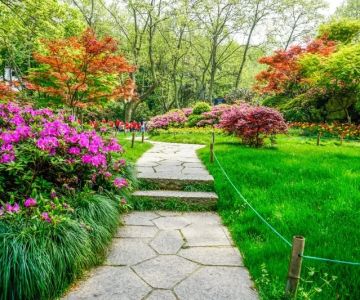
Azaleas and Ferns offer structure, texture, and year-round interest. Shade-tolerant small trees like Japanese Maple add height and visual appeal.
4. Soil Preparation and Fertilization
4.1 Improve Soil Structure
Incorporate organic matter such as compost or leaf mold to enhance soil texture and nutrient content. Well-amended soil supports root growth and moisture retention.
4.2 Fertilization Practices
Slow-release fertilizers designed for shade-tolerant plants help maintain healthy growth without promoting excessive foliage that can become leggy in low light.
4.3 Mulching Benefits
Apply a 2–3 inch layer of mulch to conserve moisture, regulate temperature, and suppress weeds. Organic mulches also gradually enrich the soil as they decompose.
5. Design Strategies for Shade Gardens
5.1 Layering and Texture
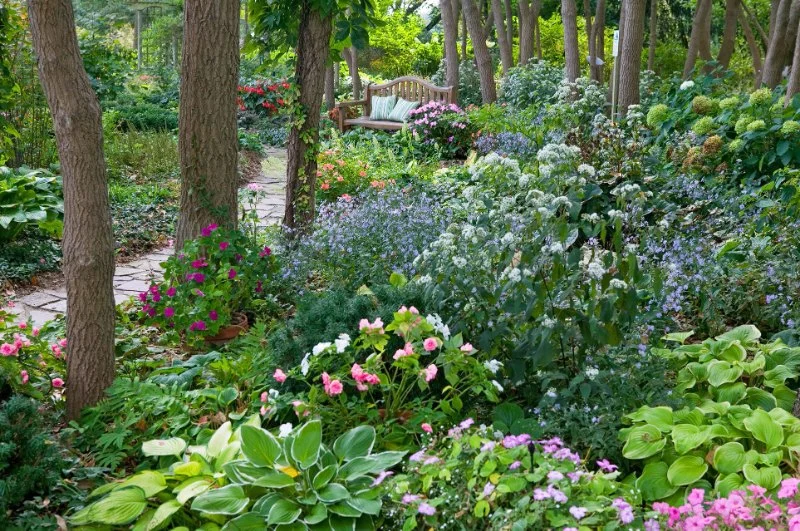
Arrange plants with varying heights, leaf shapes, and textures to create depth and visual interest. Mixing ferns, hostas, and ornamental grasses creates a dynamic low-light garden.
5.2 Color and Focal Points
Bright foliage, variegated leaves, or shade-tolerant flowers like Impatiens draw the eye. Adding decorative elements such as stones, water features, or garden art enhances the shaded environment.
5.3 Paths and Walkways
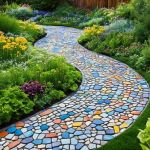
Incorporate winding paths to guide visitors through shaded areas, providing both accessibility and an opportunity to showcase plants from multiple angles.
6. Maintenance Tips for Shade Gardens
6.1 Pruning and Deadheading
Regular pruning of shrubs and removal of spent flowers promotes healthy growth and prevents overcrowding.
6.2 Pest and Disease Management
Shade gardens are prone to moisture-related issues like fungal growth. Monitor plants closely and remove infected foliage promptly to maintain plant health.
6.3 Seasonal Adjustments
Monitor sunlight changes due to seasonal shifts and adjust plant placement or add shade-tolerant annuals to maintain year-round appeal.
7. Real-Life Success Stories
Emily, a homeowner in Seattle, transformed a densely shaded backyard into a vibrant oasis using hostas, astilbes, and Japanese maples. By strategically layering plants and using bright-leaved groundcovers, her garden now flourishes with minimal sunlight.
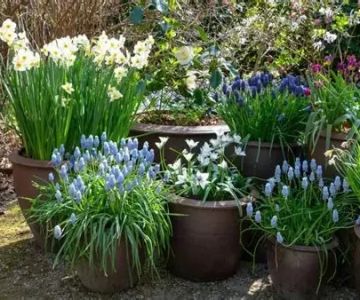
Another example from Beautiful Landscapes highlights a New York City apartment garden where container planting with ferns, impatiens, and small shrubs converted a narrow, shaded balcony into a lush retreat. This demonstrates that even limited space with low light can be transformed into a thriving green area.
 American Bluegrass Landscaping Inc5.0 (5 reviews)
 Thom's Lawn Care5.0 (1 reviews)
 River Land Landscaping Inc4.0 (12 reviews)
 DuBois Landscaping LLC4.0 (66 reviews)
 Walmart Patio & Garden Services5.0 (1 reviews)
 Rock Solid Hardscapes & More4.0 (24 reviews)
 How to Create a Landscape That’s Easy to Clean and Maintain
 How to Maintain Garden Beds Without Back Pain
 DIY vs Professional Landscaping: Pros, Cons & Cost Breakdown
 How to Use Shade & Sun Zones to Maximize Space: Smart Outdoor Design Tips
 How to Deal With Poor Soil: Amendments & Improvements for Better Gardening
 How to Build a Stone Pathway With a Natural Flow