
- 1 - Assessing Your Garden Before Seasonal Changes
- 2 - Preparing Soil and Plants for the Next Season
- 3 - Adjusting Landscape Design for Seasonal Appeal
- 4 - Maintenance Tips for a Smooth Seasonal Transition
- 5 - Expert Guidance and Beautiful Landscapes Recommendations
1 - Assessing Your Garden Before Seasonal Changes
Transitioning your landscape begins with a thorough assessment. Evaluate the current state of your plants, trees, and garden structures to identify what will thrive in the upcoming season. Removing debris, dead leaves, and damaged branches ensures a clean slate for new growth.
1.1 Inspect Plant Health
Look for signs of disease or pest damage. Addressing these issues early prevents problems from spreading as temperatures change. For example, Jennifer noticed early fungal spots on her fall perennials and treated them before winter, preserving their vitality.
1.2 Review Garden Layout
Check your garden layout to ensure proper sunlight, drainage, and spacing for seasonal planting. Understanding your garden’s strengths and weaknesses helps plan a smooth seasonal transition.
2 - Preparing Soil and Plants for the Next Season
2.1 Soil Care
Healthy soil is key for successful seasonal transitions. Add compost or mulch to improve nutrient content and protect roots from temperature fluctuations. Mulching helps regulate soil temperature and retain moisture during seasonal shifts.
2.2 Planting and Pruning
Late-season planting of hardy vegetables or spring-blooming bulbs sets the stage for year-round beauty. Pruning dead or overgrown branches promotes strong growth in the next season. A gardener in Vermont successfully transitioned her garden from summer to fall by planting tulip bulbs while pruning fading perennials, creating a seamless seasonal flow.
3 - Adjusting Landscape Design for Seasonal Appeal
3.1 Color and Texture
Incorporate plants that provide interest even in off-seasons. Evergreens, ornamental grasses, and winter berries add structure and color when flowering plants are dormant.
3.2 Seasonal Focal Points
Use garden ornaments, lighting, or water features to maintain visual appeal. Highlighting these focal points keeps your landscape engaging throughout the year. For instance, Emily added solar-powered lanterns to her winter garden, enhancing nighttime enjoyment and aesthetic continuity.
4 - Maintenance Tips for a Smooth Seasonal Transition
4.1 Watering and Fertilization
Adjust watering schedules to match seasonal rainfall and temperature changes. Apply slow-release fertilizers to prepare plants for dormant or active growth periods. Maintaining proper hydration and nutrition supports plant resilience.
4.2 Pest and Weed Control
Seasonal transitions can trigger pest activity. Regular monitoring and eco-friendly treatments keep your landscape healthy. Jennifer’s careful monitoring prevented winter pest infestations that could have damaged early spring bulbs.
5 - Expert Guidance and Beautiful Landscapes Recommendations
Transitioning a landscape between seasons can be complex, but resources like Beautiful Landscapes provide expert tips, seasonal planting guides, and tailored advice. Their recommendations help homeowners plan for every season, from planting schedules to design adjustments, ensuring gardens remain vibrant and well-maintained year-round.
By assessing your garden, preparing soil and plants, adjusting design, and following key maintenance tips, your landscape can smoothly transition between seasons. Beautiful Landscapes offers guidance to make this process easier and more rewarding.



 Laue's Landscapes & Design Solutions4.0 (33 reviews)
 Oasis Lawn Care4.0 (26 reviews)
 County Line Property Maintenance5.0 (10 reviews)
 Stone Landscaping L.L.C.3.0 (5 reviews)
 Ball Horticultural Co4.0 (106 reviews)
 Clouse Landscaping LLC4.0 (30 reviews)
 How to Choose Plants That Don’t Compete: A Guide for Perfect Landscaping
 How to Select Landscape Lighting Fixtures for Safety & Aesthetics
 How to Create Multi-Level Garden Zones With Purpose
 Best Perennials for Year-Round Color in Your Home Garden
 How to Design With Water-Saving Plants and Mulches
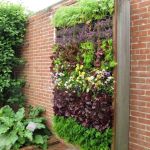 How to Plan Vertical & Horizontal Plant Movement for a Thriving Garden